Subscribe to Our Newsletter

  • Skip to primary navigation
  • Skip to main content
  • Skip to footer
The College for Behavioral Health Leadership

The College for Behavioral Health Leadership

Where behavioral health leaders collaborate to grow and transform communities across the nation.

  • About
    • Vision, Mission, Principles
    • Who We Are
    • What We Offer
    • Board of Directors
    • Staff
    • Thank you to our Sponsors!
    • Contact
  • Programming
    • All Webinars & Events
    • Workforce Solutions Jam
    • Equity-Grounded Leadership
      • Equity-Grounded Leadership Fellow Program
        • Funding Partners
        • Past EGL Cohorts
      • Equity-Grounded Leadership Executive Coaching Program
      • Characteristics of Equity-Grounded Leaders
        • The Principles of Change
  • Resources
    • Webinar Archive
    • Summit Archive
    • Healthy Behavior Change E-Guide
    • Journal Articles, Reports & Toolkits
    • Links
      • Health Equity and Anti-Racism
  • Membership
    • Why Join CBHL?
    • Membership Options
      • CBHL Membership Scholarship Fund
      • Give the Gift of a CBHL Membership
    • Organizational Members
    • Glue Up Member Community
  • News
  • Donate
    • CBHL Membership Scholarship Fund
    • Thank You to Our Donors

Search The College for Behavioral Health Leadership

Videos & Webinars

CBHL Member Roundtable | Empowering the Next Generation of Leaders: Strategies for Emerging Leadership Development

January 12, 2024 by aly.feye

This event was held in partnership with Johnson County (Kansas) Mental Health.

This roundtable discussion brought together a diverse panel of senior and emerging leaders from three organizations, each sharing their experiences and strategies to best support emerging leadership development, highlighting what has worked well for them and what has not. 

In this roundtable, you will: 

  • Learn from the experiences of senior and emerging leaders as they share their successes and challenges in leadership development and engagement 
  • Discover practical strategies for engaging and empowering emerging leaders  
  • Gain insights into the importance of organizational culture, skills development, accountability, and other key factors that influence leadership development 
  • Understand the unique challenges and opportunities of cultivating emerging leaders in today’s dynamic behavioral health environment  

Panelist Information

Misty Cromwell is the Executive Director of the Muskingum Area Mental Health & Recovery Services Board. She has been employed with the Mental Health & Recovery Services Board for 8 years, assuming the Executive Director’s position in August 2019. Misty leads the staff of 8 in creating and maintaining a system that provides mental health and substance abuse services to individuals and families in a six-county area. Misty has worked in the behavioral health arena since 1994. Misty earned her undergraduate and graduate degrees in Social Work from the Ohio State University. She has over 15 years of experience in community mental health working directly with diverse populations whose needs range from crisis management, inpatient psychiatric stabilization, trauma/loss, and chemical dependency. 

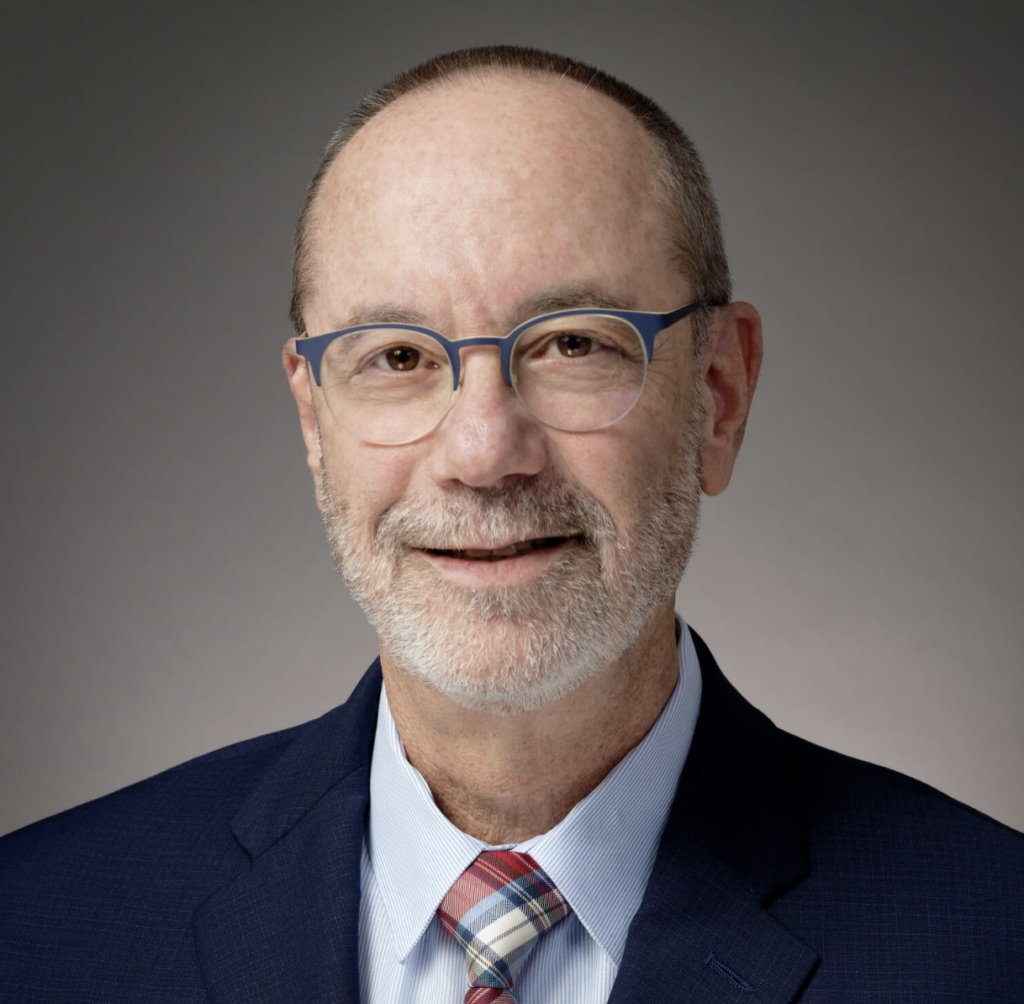
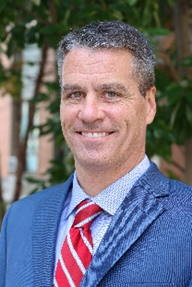
Tim DeWeese is the Director of Johnson County Mental Health Center.  The Mental Health Center is a department of Johnson County (KS) Government and employs more than 400 staff who provide behavioral health services to nearly 12,000 county residents annually.  Tim possesses a Bachelor of Science degree in Psychology from Missouri Southern State University and a Master of Social Work Administration degree from the University of Kansas.  He is a Licensed Mental Health Professional in Kansas and has over 30 years of experience in community mental health, where he has worked in various capacities. He possesses extensive knowledge and experience in the public mental health delivery system, client-centered leadership, and program design/development.  Tim also served more than 10 years as a commissioned officer in the Army Reserve and National Guard.

Jamie McGrew is the Care Management Director at the Muskingum Area Mental Health and Recovery Services Board. Ms. McGrew’s responsibilities at the MHRS Board cover a wide variety of areas but include coordinating training and maintaining partnerships with community members, first responders, schools, and service providers. Ms. McGrew acts as a liaison for five Suicide Prevention Coalitions covering six counties and assists with coordinating resources and activities for those Coalitions, oversees the Quick Response Teams in six counties, coordinates an 8 county Critical Incident Stress Management Team, is the CIT Coordinator for the Crisis Intervention Training for the six-county region, is the regional coordinator for the Handle With Care program, and provides community trainings in QPR, Vital Cog, PAX Tools, and Trauma Informed Care.  

Jessica Murphy, LMSW is an Emergency Services Deputy Division Director at Johnson County Mental Health Center (JCMHC) in Johnson County, Kansas. With over 17 years of experience in the mental health field, Jessica has held various positions such as attendant care, case manager, and crisis clinician before becoming the team leader for the Johnson County Co-Responder program in 2017. In that position, she started three programs and expanded four others, leading the county team from 11 co-responders to 20.5 positions in 2022. Most recently, Jessica oversaw the development and implementation of having a “civilian responder” model in Johnson County with the Mobile Crisis Response Team (MCRT), which aims to provide the community with the right response to mental health crises.

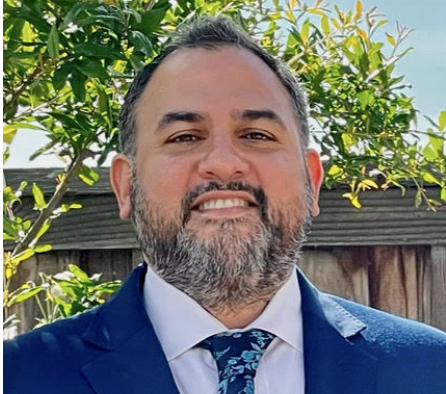
Dr. Christopher Zubiate is an esteemed leader in health policy, administration, and practice. He possesses over two decades of experience, dedicating his professional career to serve some of California’s most disenfranchised and unhealthy populations—those suffering from persistent mental illness. His personal experiences as a member of the Native American community, paired with his expertise in healthcare administration and clinical social work, underpin his unique ability to effect changes that result in more inclusive, innovative, and cost-effective systems. At present, Dr. Zubiate holds the position of President and CEO of Ever Well Health Systems, an organization committed to advancing and integrating behavioral healthcare across the country. He also offers his expertise as a Charter Member of Legatus, an organization for top-ranking Catholic business leaders.

Webinar | Promoting Mental Wellbeing and Healthy Relationships with Social Media

December 14, 2023 by aly.feye

Presentation Slides

Are you struggling to navigate questions and concerns shared by families and community about social media use and the impact on youth mental health?

The American Academy of Pediatrics (AAP) Center of Excellence on Social Media and Youth Mental Health was formed in 2022 from a five-year grant from the Substance Abuse and Mental Health Services Administration (SAMHSA).  Through this webinar, Center Ambassador Dr. Libby Milkovich, MD, FAAP provides an overview of the risks and benefits of social media, how it impacts youth wellbeing, and the implications concerning the current narrative. She is joined by Jessica Lee, a sophomore at the University of California Irvine, who is a member of the Center’s Youth Advisory Panel (YAP). 

Learn more about the Center of Excellence’s guiding framework, current activities, what the Center’s YAP is saying, and resources that can be shared with your communities.

Presenter Information

Jessica Lee (she/her/hers) is a 2nd year undergraduate studying at the University of California -Irvine. She spent 3 years working with the Technology and Mental Wellness youth advisory board at the University of Wisconsin – Madison before joining the AAP’s Center of Excellence on Social Media and Youth Mental Health as a member of the Technical Expert Panel and the Youth Advisory Panel. Jessica is excited to speak on her experiences with everyone and is open to any questions which might arise.

Dr. Libby Matile Milkovich is a developmental and behavioral pediatrician. After medical school at the University of Kansas and pediatric residency at Ann & Robert H. Lurie Children’s Hospital of Chicago, she began her developmental and behavioral pediatric fellowship at Children’s Mercy Kansas City where she stayed as faculty.  As faculty, she continues her clinical work- completing developmental evaluations and helping families manage a variety of neurodevelopmental disorders such as ADHD, autism spectrum disorder and intellectual disability.

She is passionate about shaping environments to maximize developmental outcomes for children. This has led to a research interest in technology’s impact on learning and social development with a particular focus on internet use in the school setting. She shares this expertise as an elected Member of the Executive Committee of the American Academy of Pediatrics (AAP) Council on Communications and Media where she led the reaffirmation of the AAP’s policy, Media Use in School-Aged Children and Adolescents. She also serves as an Ambassador for the AAP’s Center of Excellence on Social Media and Youth Mental Health.

Webinar | Revolutionizing Behavioral Health: The Role of Behavioral Health Apps in Addressing the Workforce Crisis 

November 28, 2023 by aly.feye

Presentation Slides

In an era marked by unprecedented challenges to mental health and well-being, the demand for behavioral health services has surged. This has intensified the already existing crisis within the behavioral health workforce, making it more critical than ever to explore innovative solutions. While the field is young, behavioral health apps are emerging as a promising technology to support health and wellbeing in both mental and physical health. This panel discussion involving experts from the industry and academia delved into the potentially transformative power of behavioral health apps and technology as solutions to increase access, improve outcomes, and address the pressing workforce crisis. 

Key highlights of this webinar include: 

  • Review highlights of the Agency for Healthcare Research and Quality (AHRQ) issue brief that provides an overview of the field and the potential of apps and other digital technologies to improve access to behavioral health in primary care; 
  • Learn about three apps that have been implemented in multiple locations in the US and abroad, focused on youth mental health, recovery supports, and contingency management; 
  • Understand opportunities to leverage technology for better outcomes and workforce support; and 
  • Discuss considerations for how to implement behavioral health technologies as a complement to existing services. 

Presenter Information

Dr. Eyre is a mental and brain health-focused systems executive. He has trained in clinical psychiatry, neuroscience, health administration, health entrepreneurship, and public policy. With these experiences, he’s looking to impact mental and brain health at scale. He was co-founder and chief medical officer of a precision mental health company. In this capacity, he worked in teams towards many industry firsts. That is, the first depression pharmacogenetic tool to be used by a large integrated delivery network, as well as in a large primary care network. Noted by the US VA as the most promising tool for depression, he co-led the securing of philanthropic funding for the first independently funded multicenter RCT for pharmacogenetics in severe mood disorders.

His other key positions are Senior Fellow at Meadows Mental Health Policy Institute and Lead at the Brain Capital Alliance. He advises the HEKA Fund, the Euro-Mediterranean Economists Association, Kooth, and is a member of the Champion’s Cabinet of the Davos Alzheimer’s Collaborative and The University of Sydney’s Mental Wealth Initiative. Dr. Eyre maintains adjunct positions with Baylor College of Medicine, The University of Texas Health Sciences Center at Houston (UTHealth), Houston Methodist, and Deakin University’s IMPACT (Institute for Mental and Physical Health and Clinical Translation).

Dr. Gastfriend is an addiction psychiatrist. At Harvard Medical School, he directed
addiction research at Massachusetts General Hospital and was an investigator in the NIDA Cocaine Collaborative Study, NIAAA’s COMBINE Study and NIDA’s Clinical Trials Network. As Vice President at Alkermes, Inc., he directed scientific publications on Vivitrol in clinical, criminal justice and health economics research.

His research led most states to endorse the American Society of Addiction Medicine
(ASAM) Criteria. His 150 scientific publications include the books The ASAM Criteria and Addiction Treatment Matching. His ASAM CONTINUUM – The ASAM Criteria Decision Engine ® and ASAM’s CO-Triage ® tools are being adopted nationwide.

In 2016, he co-founded DynamiCare Health, a nationally-scalable technology for
Contingency Management and predictive analytics, winning awards from Harvard
Business School, the Commonwealth of Massachusetts, the Governor of Ohio, and the New York Times. He has consulted to governments in Belgium, China, Iceland, Israel, Norway, Russia and the U.S.

Garrett E. Moran, Ph.D., serves as the the Principal Investigator for the Academy for Integrating Behavioral Health and Primary Care, a program sponsored by the federal Agency for Healthcare Research and Quality (AHRQ), and served as Project Director of the Academy from 2010 until 2018. He is deeply committed to advancing holistic, person-centered health care. Dr. Moran retired in 2021 from his role as the Associate Director of Services and Policy Innovation in the Rockefeller Neurosciences Institute, and Professor in the School of Public Health and the Department of Behavioral Medicine and Psychiatry at West Virginia University (WVU). Before coming to WVU he was a Vice President and Associate Director at Westat where he worked for 29 years.

Dr. Moran has more than 50 years of experience in public policy, program evaluation, research, and management. His career has included key leadership roles on projects for the Substance Abuse and Mental Health Services Administration (SAMHSA) and the Office of the Assistant Secretary for Planning and Evaluation (ASPE), as well as consulting roles with states working on health reform and care integration. His major areas of substantive expertise include integrated healthcare delivery, health care financing, health information technology, and program evaluation. Dr. Moran directed the consultant support and writing contract for the President’s New Freedom Commission on Mental Health in the early 2000s, and subsequently served as an Advisor and Consultant to the States of Maryland and Ohio as they developed mental health transformation plans.

Hans Morefield is the CEO of CHESS Health, a leading digital health company focused on the lifecycle of substance use disorder, with solutions from prevention to intervention to treatment and recovery support, including the evidence-based Connections App. In his six years at CHESS, Hans has overseen the build-out of its platform and its adoption by treatment providers, state and local governments, and a dozen health plans, positively impacting the lives of tens of thousands of Americans. He is also the co-Principal Investigator of a NIH-funded study of the potential for mobile technology to prevent the onset of substance use disorder. Hans is a graduate and trustee of Kalamazoo College, where he started his now thirty-year career in applying technology to improve the healthcare system and the lives of individuals.

Webinar | Partnership in Action: A Collective Impact Approach to Implementing Workforce Solutions

November 7, 2023 by aly.feye

Presentation Slides

To stay connected and/or to participate in this collective impact effort, please complete this brief survey.


The behavioral health workforce crisis is one of the most pressing challenges facing us today. The demand for mental health services has surged, yet the workforce shortage persists, resulting in unequal access to care and unmet demand. Communities and organizations throughout the country have identified challenges and devised innovative approaches to tackle the issue. Nonetheless, these strategies often lack coordination and dissemination, hindering their potential for widespread impact.

Over the past two years, The College for Behavioral Health Leadership, The National Council for Mental Wellbeing, and Health Management Associates have been working together to develop a new approach to addressing the workforce crisis. This approach is built upon a collective impact framework designed to unify stakeholders across sectors, leveraging existing recommendations and innovative solutions to tackle the crisis.

Key highlights of this webinar include:

  • Understand the current landscape of efforts to address the workforce crisis;
  • Explore the application of collective impact pillars to developing collaborative workforce solutions;
  • Discuss six key workforce priorities to tackle via the collective impact framework;
  • Provide your feedback on the approach;
  • Learn more about the Center for Workforce Solutions; and
  • Identify opportunities to engage in this collaborative opportunity.

Panelist Information:

Dr. Gina Lasky, PhD, MAPL, is a Managing Director for Behavioral Health at Health Management Associates (HMA). Dr. Lasky is a national expert in behavioral health strategy, policy, clinical design and operations and partnership development. Her career combines experience as a licensed psychologist with decades of experience in the public sector with a depth of system and policy design as well as expertise in cross- sector leadership. Working with states, counties, managed care plans and large providers across the country, her work focuses on behavioral health system design, payment and quality, program innovation and operations including workforce. She is passionate about effective implementation of behavioral health integration and supporting providers on quality improvement such as enhancing measurement- based care; bringing behavioral health services into the community; partnership development; and leveraging human centered design in behavioral health. Dr. Lasky earned her master’s and doctorate in counseling psychology from the University of Denver and a master’s degree in public leadership with a specialization in multi-sector management from George Washington University.

Brie Reimann, is Vice President of Practice Improvement and Consulting at the National Council for Mental Wellbeing, a membership organization that drives policy and social change on behalf of 3,200 mental health and substance use treatment organizations and the more than 10 million children, adults and families they serve. In her role she provides department leadership over 30+ practice improvement initiatives that aim to improve access to and quality of care for individuals living with mental illness and substance use concerns. She is a passionate change leader who believes that all individuals and families should have equitable access to quality health care services.

Holly Salazar, MPH, is Chief Executive Officer of The College for Behavioral Health Leadership (CBHL), a leadership organization supporting current and emerging cross-sector leaders with learned and lived experience to collectively advance behavioral health in North America. Holly has worked for more than 15 years in public and community health roles in community-based, non-profit, health care, and local government organizations. An experienced systems leader, Holly engages with cross-sector leaders to form strong partnerships and create transformative change. Holly believes in the power of true collaboration and leveraging collective talents to solve problems.

Rachel Kessler, MSW, has over eight years of experience in the nonprofit and public sectors. She began her career providing community-based wraparound mental health services for youth and families involved in the child welfare system and moved into human service roles within local government. Since joining the National Council in 2020, Kessler has engaged in diverse initiatives from business development, stakeholder engagement, research, and has launched national workforce projects with a key focus on meaningful collaboration. Kessler holds a Master of Social Welfare (MSW) from the University of California, Berkeley. She holds a bachelor’s degree in human development from California State University, Long Beach.

Webinar | Achieving Data Integrity through Technology Data Governance

October 10, 2023 by aly.feye

Presentation Slides

This webinar was held in partnership with Health Management Associates (HMA)

Health Equity, Alternative Payment Models, addressing Social Determinants of Health; these are all “north stars” in healthcare, grounded in data collection and metrics.  To achieve any standard or address proper patient care coordination, the technology platforms used to enter information must be used accurately, consistently and be configured properly.  At the same time, existing features and functions within the technology must also be aligned with regulatory and reporting needs.  The on-going maintenance and management of any database requires a governance grounded in cross-functional management and with standards to ensure accuracy and integrity of use.  Too often, provider healthcare delivery has been unable to successfully implement these systems and maintain consistent standards and use over time. 

This presentation provides an overview of the common barriers in achieving data integrity and an overview of proven methods for data governance.  Presenters explored practical steps organizations can take to assess current structure and management practices along with addressing the needs of care delivery teams. 

Presenter Information

Robin Trush, MA | Principal, Health Management Associates (HMA)

Robin Trush is a seasoned healthcare innovator, having held leadership roles within state government, Medicaid managed care companies and care delivery systems. As Children’s Bureau Chief for the Arizona Department of Health Services and the Vice President of Children’s Services at Value Options, she helped guide the implementation of financing and service delivery shifts through the state under their 1115 waiver. Robin has served as Chief Operating Officer at a regional crisis response center in Southern Arizona which operated a call center, mobile team dispatch, 24/7 psychiatric urgent care and a stabilization unit. Additionally, she led the technology and analytics department at a multi-site, integrated provider organization serving clients from birth through geriatrics.

For the past 15 years, Robin has guided local, regional and state-wide technology projects focused on operationalizing and optimizing the use of electronic health records, mobile applications, Heath Information Exchanges (HIEs) and interoperability platforms. Robin holds a Masters Degree in Organizational Management, and has served on both national and state organization Board of Directors.

Jodi Pekkala, MPH | Associate Principal, Health Management Associates (HMA)

Jodi Pekkala is an experienced researcher in healthcare quality measurement and improvement with more than 15 years dedicated to evaluation, quality improvement, and practice transformation. With a background in quality measurement and improvement, Jodi has developed, deployed and evaluated projects related to performance improvement for both health plans and providers of care. She has developed quality strategy with a focus on the integration of performance improvement goals and value-based care initiatives. She has a strong background in quality metrics and data analysis to support this work.

She provides practice coaching to practices of all sizes including solo providers, Federally Qualified Health Centers (FQHC), and large, hospital-based practices on topics related to telemedicine, access to care, care management, referrals and care coordination, and quality improvement. She possesses in-depth knowledge of data collection, measurement, and the reporting processes. Ms. Pekkala earned her master’s degree in public health at Columbia University and her bachelor’s degree at Ithaca College. She is a Patient-Centered Medical Home Certified Content Expert™ (PCMH CCE™) and former certified Healthcare Effectiveness Data and Information Set (HEDIS) compliance auditor (CHCA).

Bridging the Generation Gap: Engaging with Today’s Youth

September 28, 2023 by Holly Salazar

There is enormous value in the meaningful engagement of youth and young adults in the design, development, and implementation of programs or services intended for them.

  • What does meaningful engagement look like? 
  • What strategies can you use within your own organization to enhance the value of programs and services designed for youth and young adults?

The October 2022 IIMHL and IIDL Leadership Exchange prioritized the meaningful engagement in and focus on youth and young adults.  View the recording of this 90-minute dialogue to learn strategies and lessons learned directly from young leaders involved in planning and implementing the event.

Resources:

  • SAMHSA Youth Engagement Guidance
  • CWS Guide to Youth Engagement
  • Youth MOVE (Motivating Others through Voices of Experience)
  • SAMHSA Peer to Peer Youth TA Center
  • IIMHL 2022 Leadership Exchange
  • FRAYME Canada

Panelists:

Gary Blau, PhD., is a licensed clinical psychologist who serves as the Senior Advisor for Children, Youth and Families at the federal Substance Abuse and Mental Health Services Administration (SAMHSA). He rejoins SAMHSA after spending over fifteen years as the Chief of the Child, Adolescent and Family Branch where he provided national leadership for child, adolescent, and young adult mental health, and helped created “systems of care” across the United States. Dr. Blau is the recipient of numerous awards, including the Connecticut Governor’s Service Award, the Phoebe Bennet Award for outstanding contribution to children’s mental health in Connecticut, and the Making a Difference Award presented by Connecticut’s Federation of Families for Children’s Mental Health. He was also proud that upon the occasion of his leaving Connecticut, the Governor proclaimed December 12, 2003, as ‘Dr. Gary Blau Day.”

Micaela Harley is a strategic change maker in the Youth Mental Health and Substance Use System, with a focus on the inclusion of lived and living expertise within this work. Micaela’s passion for change in this area began in her early teen years, stemming from her own personal experiences as both a direct service user and a youth providing caregiving support to a loved one who was struggling. Utilizing these experiences, along with her professional and educational knowledge, she has advised and implemented a variety of youth mental health and substance use projects within local, national and international contexts. At Frayme, Micaela is the Senior Engagement and Knowledge Equity Lead, working strategically to ensure the expertise of youth, caregiver and advocates are embedded through the work being done internal to Frayme and externally within the system. Micaela holds a Bachelor of Social Work with minors in Psychology, Neuroscience, and Mental Health degree, as well as a Masters of Applied Health Sciences degree.

Katlyn Kotila is a passionate public speaker and community leader from Sudbury, Ontario. At the age of 14 years old, she lost a close friend to suicide, a moment that would go on to change her life forever. Since then, she has spent her career advocating for better mental health services among young people, and eliminating barriers to access for 2SLGBTQ+ and Northern communities. As a public speaker she delivers a moving message, speaking openly about her experiences as a suicide-loss survivor and member of the 2SLGBTQ+ community to help eliminate stigma and empower her audiences to live life authentically. Katlyn is also Co-Founder of the Northern Ontario Pride Connection, a non-profit organization aimed at supporting and empowering the 2SLGBTQ+ community across Northern Ontario.

Kathy Langlois is the North America Regional Lead for the International Initiative for Mental Health Leadership (IIMHL) and the International Initiative for Disability Leadership (IIDL), where she works to provide opportunities for leadership development and rapid knowledge exchange. Kathy is passionate about improving mental health, substance use, suicide prevention and disability outcomes, including working in partnership with Indigenous peoples.  Kathy has a background of 35 years experience at the executive level in public service, in the federal and provincial governments in Canada. Since 2014, she has been consulting on mental health, addictions, and disability leadership and policy, including internationally.

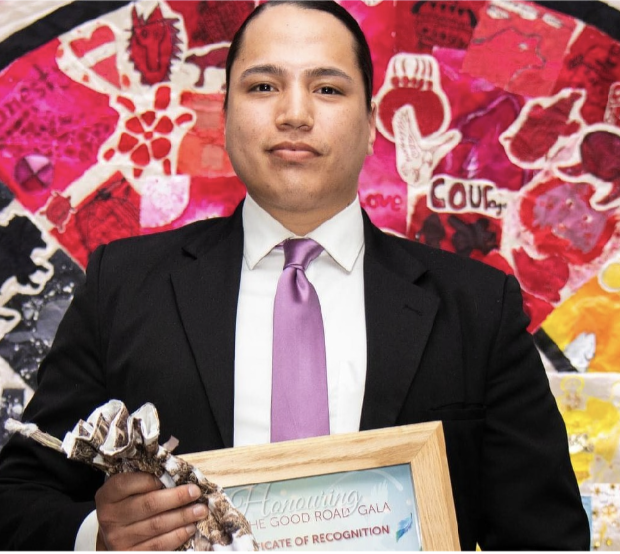
Marshall Morrisseau is a First Nations, Metis advocate. Currently residing in Brandon Manitoba on Treaty 2 Territory. Marshall recently graduated with an Honours Degree in Native Studies and Political Science; they are now pursuing a law degree. Marshall is involved with community organizations such as Brandon Bear Clan Patrol where he
coordinated a youth mock patrol. Marshall also takes part in the We Matter Campaign as a National Ambassador of Hope, delivering messages of hope, culture, and strength for Indigenous youth across Canada. In the beginning of 2020, Marshall attended the United Nations Drug and Crime Commission as a Youth Delegate. He now is involved with the UNODC’s International Youth Initiative to help develop and deliver drug prevention strategies. Marshall is currently a facilitator at the Sexual Educational Resource Center of Manitoba and continues to work on life promotion projects with Thunderbird Partnership Foundation.

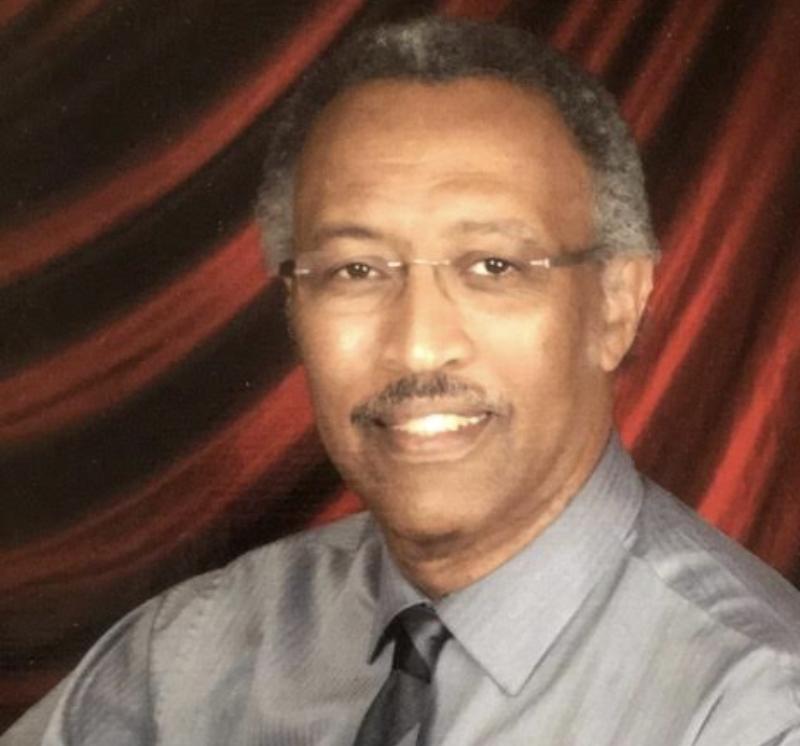
Dr. Brian Sims is the Senior Medical Advisor for The National Association of State Mental Health Program Directors. Dr. Sims is a Psychiatrist, working in the behavioral health field for nearly 4 decades. He has worked with diverse populations, including individuals, groups; Military; School Settings; Corrections; Inpatient and outpatient hospital settings; BIPOC, Tribal Nations and LGBTQ, all promoting trauma informed system transformation, healing and recovery. He is passionate about the delivery of culturally responsive practices to all he encounters, including training, teaching and direct care to individuals and groups both nationally and internationally. His work in health equity and disparities, with emphasis on marginalized communities and communities of color have been his focus of attention for the past 15 years, in his present role of Senior Medical Advisor with NASMHPD. His emphasis centers on Connection, Collaboration with subsequent Empowerment.

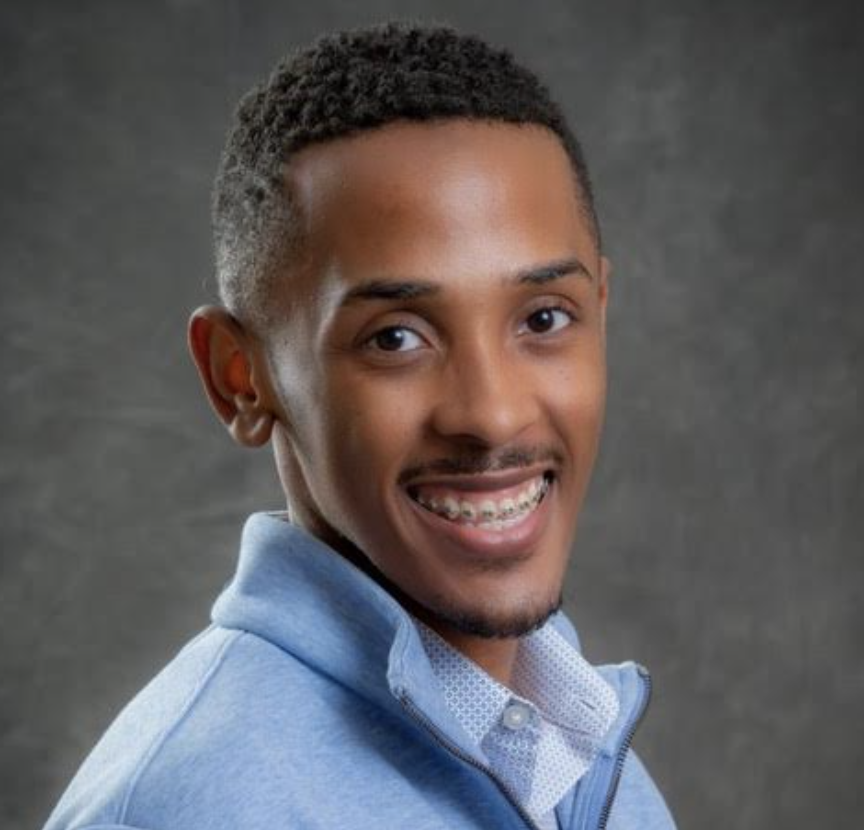
Darien Todd is a Kennesaw State University alumnus. Darien majored in public speaking with the goal of becoming an advocate for people with intellectual and developmental disabilities and Inclusive Postsecondary Education programs in Georgia. Darien now works at the Center for Leadership in Disability, at Georgia State University, as the Community Advocate Specialist. Darien is also a Georgia Leadership Education in Neurodevelopmental Disabilities program alumni and an AUCD Leadership Academy alumni, a trainer for the My Voice, My Participation, My Board program, and a Youth Voice Youth Choice Youth Ambassador of Georgia.

Roundtable Discussion | Building and Scaling Effective School Mental Health Programming and Initiatives: The Importance of Global Collaboration and Leadership

September 19, 2023 by Holly Salazar

This roundtable was part 2 of a two part series on global collaborations in school mental health. To view a recording of the part 1 webinar, click here.
Description: On September 12, a webinar was held to discuss strategies for building and scaling effective mental health programming and initiatives. Topics included global collaborations focused on school mental health, the successes and challenges of the implementation of evidence-based models, and the value of effective leadership in school mental health programming.

On September 19, 2023, participants met again to engage in a deeper dialogue with subject matter efforts to further explore best practices and lessons learned based on global collaborations. Participants asked questions and shared their own experiences related to school mental health.

IIMHL Global School Mental Health Match Report

Building and Scaling Effective School Mental Health Programming and Initiatives: The Importance of Global Collaboration and Leadership

September 12, 2023 by Holly Salazar

Description: Developing, implementing, refining, and scaling evidence-based school mental health practices across a multi-tiered system of support requires leaders who are prepared to focus on a range of priorities.   Some of these include:

  • Strategies to advance uptake and sustained implementation,
  • Meaningful engagement with diverse stakeholders,
  • Collaboration across sectors and disciplines,
  • Workforce development,
  • Effective leadership in times of complexity and change, and
  • Interconnected measurement. 

In October 2022, IIMHL and IIDL held a Leadership Exchange, with the North American Regional Hub taking place in Washington DC. As part of the Leadership Exchange, a School Mental Health session – called a Match – was hosted to provide a platform for global leaders from over 10 countries to come together to discuss current and urgent practice, policy, and research issues.

This webinar was designed to share global collaborations focused on school mental health, the successes and challenges of the implementation of evidence-based models, and the value of effective leadership in school mental health programming.

Webinar Slides
Register for the 9/19 Roundtable Dialogue
Global School Mental Health Match Report

Speaker Information

Brian P. Daly, Ph.D., Drexel University, Associate Professor and Department Head of Psychological and Brain Sciences; Director, Pediatric and Child Adolescent Psychology Lab; Research Fellow, AJ Drexel Autism Institute. Dr. Daly’s areas of interest in research include prevention and resiliency in urban youth; school mental health promotion; evidence-based psychosocial interventions for youth; and leadership in schools. His research has been funded by federal, foundational and corporate agencies.

Kathy Short, Ph.D., C.Psych., Executive Director, School Mental Health Ontario; Co-Chair School Mental Health International Leadership Exchange (SMHILE). Dr. Kathy Short is a Clinical Child Psychologist with research and practice interests in school mental health promotion, knowledge mobilization, and implementation science. She is the Executive Director for School Mental Health Ontario, a provincial implementation team supporting the uptake and sustainability of evidence-informed mental health promotion and prevention programming in schools. Dr. Short has served on several provincial advisory groups, including the Student Well-Being Advisory Committee for the Ministry of Education, the Mental Health and Addictions Leadership Advisory Council for the Ministry of Health, and the COVID-19 Mental Health and Addictions Advisory Table. She helps to lead the Canadian School Mental Health Leadership Network and co-chairs the School Mental Health International Leadership Exchange (SMHILE), a network of global leaders focused on key themes in mental health promotion.

Webinar | Behavioral Health in Ohio: Improving Data, Moving Toward Racial & Ethnic Equity

June 21, 2023 by Holly Salazar

How can data be more effectively used to advance racial and ethnic equity in behavioral health care? 

Since early 2022, a multi-organizational collaborative team with expertise in advocacy, policy, research, and organizational transformation have worked together to improve behavioral health for Ohio’s marginalized racial and ethnic populations. Their work products include a series of research reports analyzing the opportunities and recommendations for change. To date, the collaborative has produced two reports, the first presenting the big picture around racial and ethnic equity and behavioral health as an introduction to the topic; the second report focuses on the workforce, featuring a breakdown of the racial and ethnic composition of Ohio’s behavioral health providers and recommendations for improvement in data collection, policy, diversity in education, and more. Two final reports are in-process and will focus on treatment and funding.

Learn how you might replicate this in your own state, including rationale for use of data to advance racial and ethnic equity, how to create a team structure and work processes to gather and analyze data, and the ways in which the findings are already making an impact in Ohio.

Resources

  • Reports
  • Presentation Slides

North American Webinar & Roundtable Dialogue | Self-Direction: Supporting Choice, Control, and Independence

May 31, 2023 by Holly Salazar

Self-direction, also called self-directed care, is an alternative to traditional service delivery models in which participants control an individual budget, create a person-centered plan, and purchase goods and services they feel will best help them to achieve their goals. In this roundtable, two people who self-direct will share how the expanded choice and control in self-direction has impacted their lives. They’ll be joined by a researcher who will describe outcomes, implementation facilitators and barriers, and best practice in self-direction across the country. 

Resources

  • Handout – Self-Direction Talking Points (Human Services Research Institute)
  • NYS’ Mental Health Self-Directed Care Pilot: Outcomes
  • NYS’ Mental Health Self-Directed Care Pilot: Implementation
  • A recent review of cost research: Robinson, M., Blaise, M., Weber, G., & Suhrcke, M. (2022). The Effects and Costs of Personalized Budgets for People with Disabilities: A Systematic Review. Int J Environ Res Public Health, 19(23).
  • The Effect of Cash and Counseling on Medicaid and Medicare Costs: Findings for Adults in Three States
  • Roundup of mental health self-direction research
  • National Center on Advancing Person-Centered Practices and Systems
  • New State Strategies To Meet Long-Term Care Needs

Panelists

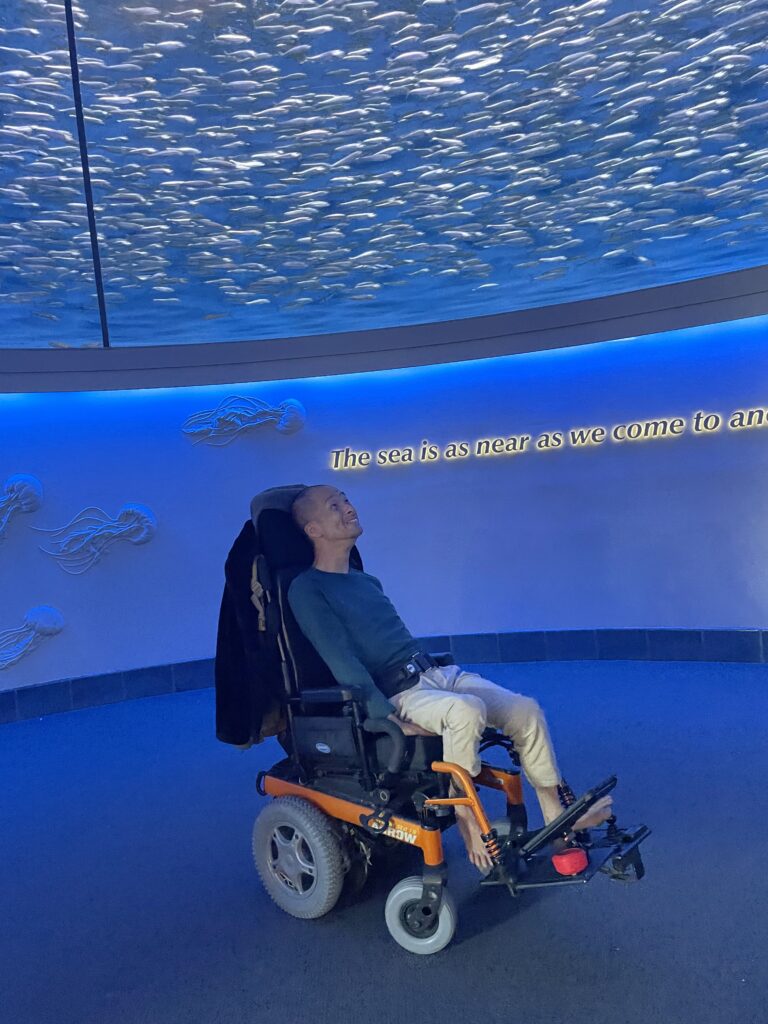
Born with cerebral palsy, Tim Jin advocates for the rights of anyone with a speech-related disability to have access to the communication tools and support they need. He has used an augmentative and alternative communication (AAC) device since elementary school in the 1980s. His work has been featured by TEDx and other publications. Mr. Jin graduated from California State University in Long Beach with a degree in speech communication. He lives in Southern California , and also serves on the boards of several nonprofits.  Mr. Jin is in Self Determination and achieving life to the fullest.  He is currently the Co-Director on Empowerment Programs at Disability Voices United.

Felix Guzman is poet, community organizer, and advocate working towards building healthy communities inclusive of all. Sharing the legacy of those who came before him, Felix works on creating opportunities for abolition effecting restorative and transformative change in systems and individuals.  Felix utilizes Self-Direction to help foster personal and professional development allowing access for access to equity and safety for himself. Felix advocates for expansion of Self-Direction to offer others to have the same opportunities to affect empowerment and self-actualization.

Bevin Croft is a Senior Research Associate and director of the Behavioral Health team at the Human Services Research Institute (www.hsri.org). She is co-director of the National Center on Advancing Person-Centered Practices and Systems (www.ncapps.acl.gov). She holds principal roles in self-direction research and technical assistance projects and was the principal investigator of a multi-state Demonstration and Evaluation of Self-Direction in Behavioral Health (www.mentalhealthselfdirection.org).

Webinar | 2023-2024 Equity-Grounded Leadership Fellow Program Pre-Application Overview

May 16, 2023 by aly.feye


Presentation Slides

The College for Behavioral Health Leadership announced a call for applications for a second cohort of the Equity-Grounded Leadership (EGL) Fellow Program on May 1, 2023.

The second cohort will convene from September 14, 2023 to August 2, 2024. Applications are due by June 12, 2023. 

The Pre-Application Webinar provided:

  • An introduction to the Project Team
  • A detailed overview of program components, format, schedule, and time commitment expectations
  • An overview of the application process
  • Cost and sponsorship information

Applicants of the EGL Fellow Program are required to attend or stream a recording of the pre-application webinar. 

More Info on the 2023-2024 EGL Fellow Program

Presenter Information

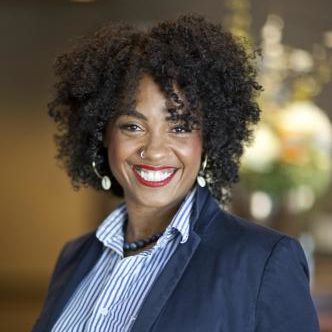
Ebony Chambers McClinton

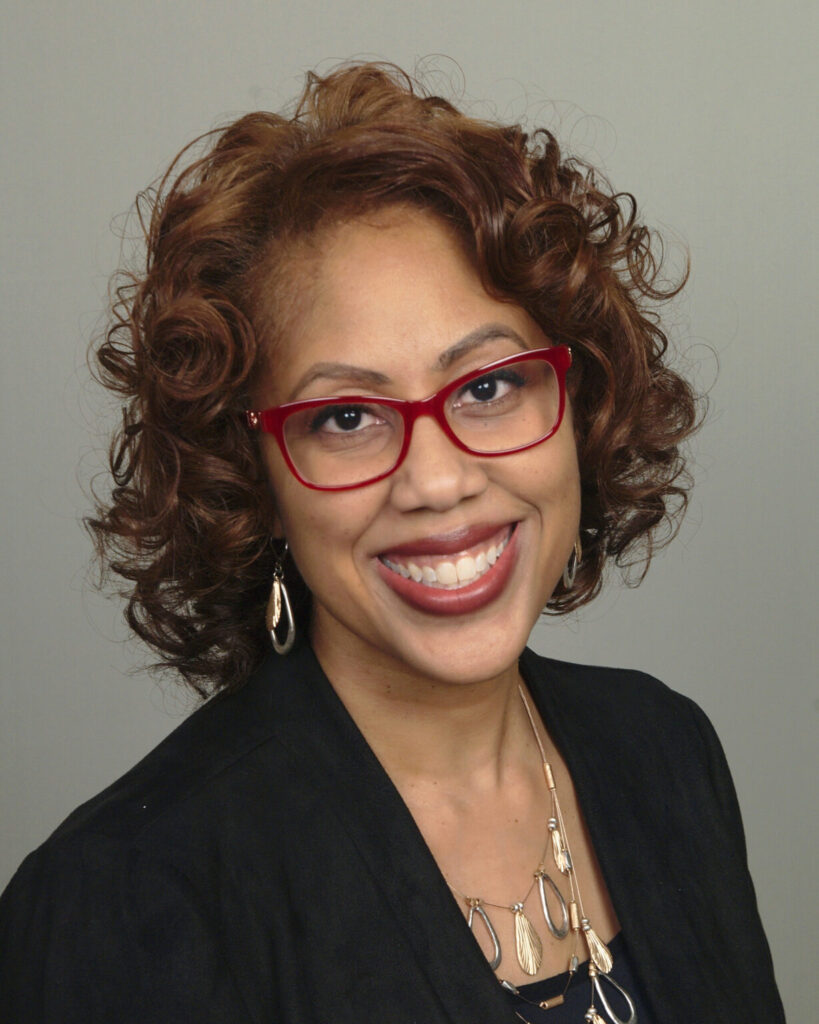
Ebony Chambers McClinton, Chief Family & Youth Partnership Officer at Stanford Sierra Youth and Families, has over 18 years of experience working with issues of social justice, equity, education, mental health and diversity. Ebony brings both professional and personal life experiences to her work and provides the oversight of advocacy and support to youth and families in the Northern California Region. She is a speaker, educator, and workshop leader who has worked extensively throughout the United States and has served nationally and locally as an advocate and activist for access to care and the elimination of the stigma of mental illness for underserved and unserved communities. Chambers has provided extensive training in cultural competence and culturally responsive practices to schools, universities, social service and mental health agencies through her work in non-profit and for UC Davis Center for Family Focused Practice. Through her classes and trainings, she covers a wide range of topics including examining issues of privilege, power and the role of leaders and educators in a multicultural society.

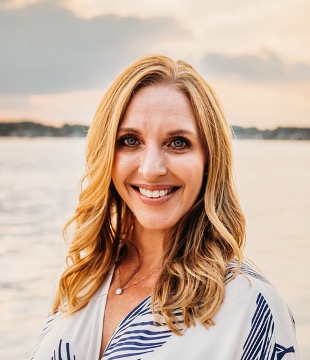
Terrell Thomas, MSW

Terrell Thomas is a strategic leader who has nearly 20 years of experience working with nonprofits, the educational system, and the governmental sector. She has helped organizations build capacity to advance their mission and DEI
values for the betterment of the community. Her knowledge includes subject matter expertise in the areas of mental and behavioral health, child welfare, and juvenile justice. She brings both professional and personal life experiences to the work, and is extremely passionate about bringing to light disparities to improve outcomes for youth and families.

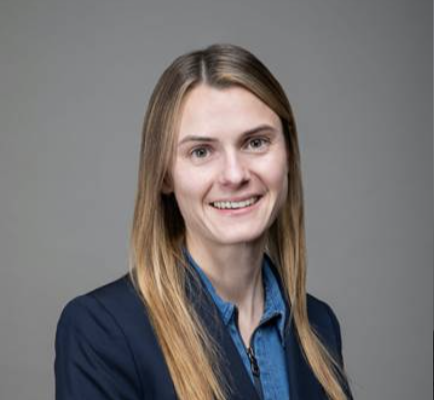
Aimee Wade, MSW

Aimee Wade is the Executive Director for the County of Summit Alcohol, Drug Addiction and Mental Health Services (ADM) Board. Aimee has been with the ADM Board for over 11 years, also serving as the Associate Director of Clinical Services and Compliance, Prevention and Training Coordinator during this time. Aimee was an Associate Lecturer for the University of Akron School of Social Work and worked for the Summit County Domestic Relations and Summit County Juvenile Courts prior to her time at the ADM Board. Aimee has also held other social service and criminal justice positions in the Akron and Columbus, Ohio, area over the past 20 years. Aimee attended The Ohio State University, earning a Bachelor of Arts degree in Sociology and Criminology. She also attended the University of Akron, earning a Master of Social Work  degree. Aimee is a Licensed Independent Social Worker with Supervisory Designation, an Ohio Certified Prevention Consultant and an Intercultural Development Inventory Administrator.  

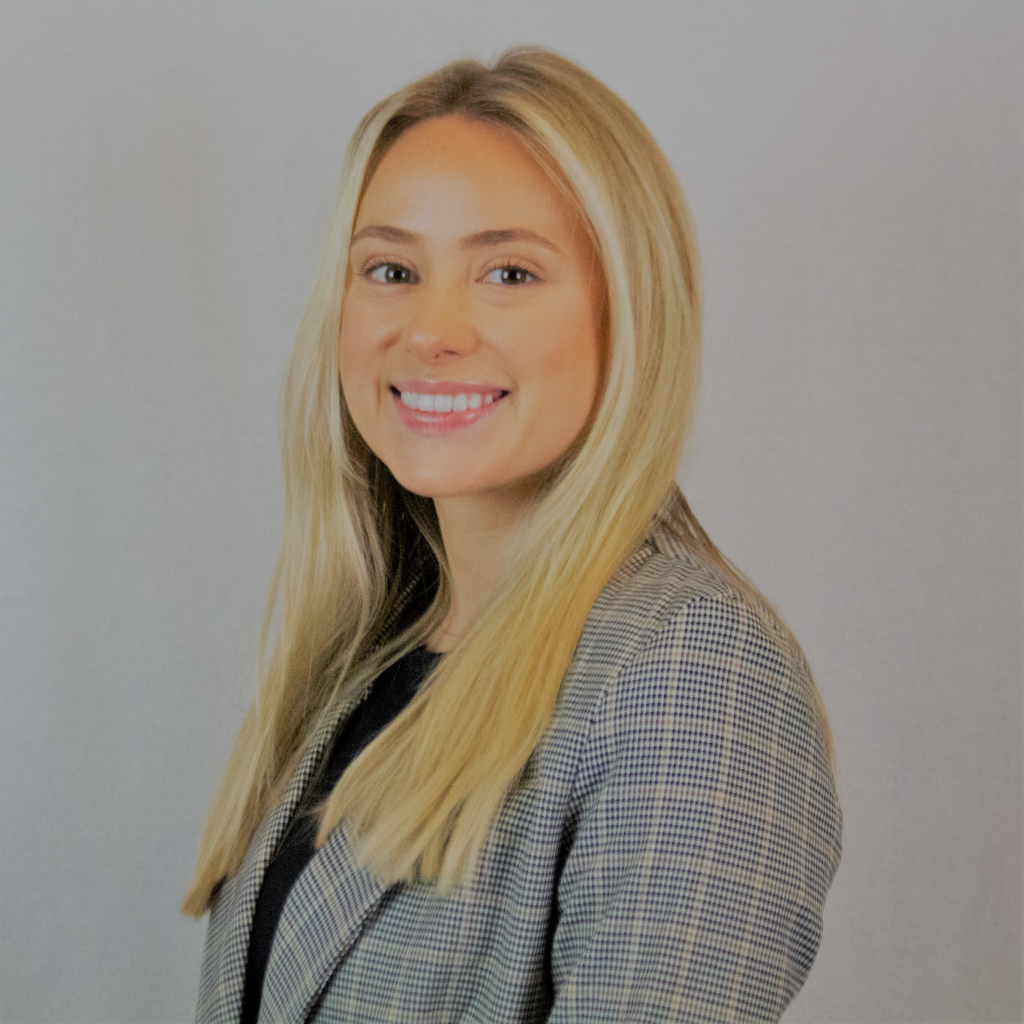
Aly Feye, MPA

Aly Feye is the Director of Operations for the College for Behavioral Health Leadership (CBHL). As part of this role, she serves as the Program Manager for the Equity-Grounded Leadership Fellow Program. Aly has seven years of experience working on efforts improve outcomes for youth and adults with behavioral health needs who may be involved in or at risk of becoming involved in juvenile justice and/or criminal justice systems. Prior to joining CBHL, Aly spent six years at Policy Research Associates, most recently as a Project Associate with SAMHSA’s GAINS Center for Behavioral Health and Justice Transformation.

Webinar | Transformational Systems Change and Impact through Data

April 5, 2023 by aly.feye

Presentation Slides

Do you feel like there’s something essential that’s being missed in your data and reporting projects?  Does it seem like you’re always stuck spinning your wheels, or that you end up focused on details and missing the big picture?

As a leader, how can you help your organization move beyond using data for operations, productivity, and finance projects, and start using data to fuel transformational change?

This webinar discussed the stages of development that organizations experience on the way to data-informed decision-making, and how to help your team overcome the obstacles at each crossroads.  Improving your effectiveness with operational data is important, and it’s easy to get stuck responding to every new external reporting requirement and never get around to looking at data that really matters.

We also know that an organization can be really good at operational, financial, and compliance data and still miss the big picture.  Data processes that are well-designed to deliver required reports or monitor productivity aren’t going to naturally yield transformational data.

Data that will drive systemic change, requires something different, including:

  • Bold prioritization, time that is set aside for deep thinking, and being clear about what isn’t going to get done.
  • Extending your trauma-informed lens to your data analysis conversations, in how you talk about data and how you roll out changes.
  • Recognizing emotions around imperfection, noticing and managing cognitive dissonance, and dealing with avoidance.
  • Bringing stakeholders to the table with opportunities for meaningful input and creativity, especially people who don’t think of themselves as ‘data people’.

Resources Mentioned

  • Mission Driven Data and free online community
  • Cal Newport’s website (author of Deep Work: Rules for Focused Success in a Distracted World)
  • Dr. Sidney Stone Brown’s website

Presenter Information

Ginger Bandeen, LCSW

Ginger founded Mission Driven Data after a 15-year career in clinical social work, quality improvement, advocacy, and program development in the community behavioral health field.  Ginger is passionate about making data analysis accessible for clinicians – helping people who would say they aren’t “data people” discover joy and excitement in the data analysis process.  

Ginger is committed to combining her understanding of data with her clinical perspective to optimize data and information systems in community agencies, with the end goal of supporting better outcomes and system transformation.

Webinar | Equity-Grounded Leadership Fellow Program: A Co-Produced Approach to Behavioral Health Systems Transformation

March 16, 2023 by Holly Salazar

For more information about the Equity-Grounded Leadership Fellow Program, visit our webpage here.

Presentation Slides

Leaders must embody equity as an operating principle – as a mindset – to transform behavioral health systems. But what does this mean, and how is it operationalized for leaders?

Significant gaps exist in advancing behavioral health equity, with underrepresented, marginalized, and oppressed groups continuing to have disparate outcomes. Major system-level changes are in progress that will require behavioral health leaders be prepared to disrupt the status quo by addressing the pervasive inequities that continue to plague communities across the country. It is essential to support, develop, and orient leaders to a new approach to systems transformation, one where leaders grow and acquire the confidence, skills, and knowledge necessary to disrupt the current harmful system practices, policies, and cultures. Without this co-produced intervention, we risk continuing to fail individuals, families, and communities who face these inequities every day.

The Equity-Grounded Leadership (EGL) Fellow Program, developed and piloted from 2022 to 2023, is designed to shift the focus of cross-sector behavioral health leaders to intersectionality, equity, and anti-racism for behavioral health systems transformation. In this webinar, we shared the journey to co-produce the EGL Fellow Program; explored the Principles of Change for Equity-Grounded Leaders; and celebrate examples of equity-grounded leadership in action. 

Speakers:

Dr. Jei Africa | Director, Marin County (CA) Behavioral Health and Recovery Services

David Auzenne, MPH | Senior Fellow for Health Equity, Meadows Mental Health Policy Institute

Brad Barfield, MBA | Vice President, Envision:You

Dr. Crystal L. Brandow | Principal, clb strategies, LLC 

Ebony Chambers | Chief Family & Youth Partnership Officer, Stanford Sierra Youth and Families

Aly Feye, MPA | Director of Operations, The College for Behavioral Health Leadership

Dr. Michele Guzmán | Principal, TriWest Group

April Ludwig, LMFT | Business Consultant & Executive Coach, ALudwig Consulting Services

Marcy Melvin, MA, LPC | Deputy Director, The Hackett Center for Mental Health, Meadows Mental Health Policy Institute

B.J. Wagner, MS | Senior Vice President of Health and Public Safety, Meadows Mental Health Policy Institute

Webinar | Welcoming Integrated Systems and Services for People with Co-occurring Mental Health and Substance Use Conditions

February 9, 2023 by aly.feye

This webinar described how to organize systems and services at every level to center around the needs and hopes of the people and families with co-occurring mental health and substance use conditions who are desperately needing help. Leaders learned how to align best practice principles of integrated care with best practices for organizational change so that all programs and staff can be capable of welcoming, inspiring, and providing integrated interventions to those who need help the most.

This webinar was intended for leaders of all levels.

This webinar explored the following topics:

  • Understanding that people with co-occurring conditions and complex needs are an expectation, not an exception
  • How to align best practice principles of integrated care with best practices for organizational change
  • How to organize systems and services to best serve people with co-occurring disorders at the system, agency, and/or program level
Presentation Slides
NASMHPD Brief

Presenter Information

Dr. Kenneth Minkoff

Dr. Minkoff is Vice President and Chief Operating Officer at ZiaPartners, Inc., a behavioral health system consultation firm in Tucson, AZ. He is Board-Certified as an addiction psychiatrist and community psychiatrist, Board Member and Products and Services Committee Chair of the American Association for Community Psychiatry, playing a leading role in the development and dissemination of the LOCUS Family of Tools, as well as the Self-assessment for Modification of Anti-Racism Tool (SMART) for which he is co-author. He was one of the original members of the federal Interdepartmental Serious Mental Illness Coordinating Committee (2017-20).  He is Co-Chair of the Community Psychiatry Committee of the Group for Advancement of Psychiatry, and one of the lead authors of the 2021 Report: Roadmap to the Ideal Crisis System, published by the National Council for Mental Wellbeing. He is a member of the National Council’s Medical Director Institute and consults to the National Council Centers of Excellence on Integrated Care and CCBHCs.  

Dr. Minkoff has been recognized as a national and international leader in the strategic development of quality-driven managed behavioral health care systems and integrated services and systems for complex populations for over 25 years, through the development of the Comprehensive Continuous Integrated System of Care approach, initially developed in the 1990’s as a system design model for implementing integrated services for individuals with co-occurring mental illness and SUD. Dr. Minkoff’s tenure as a community-hospital-based Medical Director and Chief of Psychiatry extended from 1984-1999, during which he was responsible for oversight and development of every type of inpatient and outpatient MH and SUD program. He also was the Medical Director of a multi-state managed-care-oriented behavioral health hospital management company from 1990-2001, and Medical Director of a large psychiatric hospital in Massachusetts, which included both an integrated MH/SUD unit, and an integrated MI/DD unit, from 1998-2000. With David Pollack, MD, he co-edited a seminal work on public sector managed care, Public Sector Managed Mental Health Care: A Survival Manual (1997), and has been a contributor to the development of the American Society of Addiction Medicine patient placement criteria.

Roundtable: Mental Health Reform and the Recovery (R)Evolution

January 12, 2023 by Holly Salazar

How can history serve as a launching pad for what comes next in mental health reform?  How do we avoid the cyclical actions taken to revert to practices like involuntary commitments, for example, which contradict what we know about recovery and wellbeing?

We are on the brink of major change, with the opportunity to tear down traditional boundaries and fully support mental health recovery. Join us on January 12 for a powerful dialogue about the history of mental health reform, the fight for recovery, and what demands our attention now.

Speaker Information

Cherene Caraco has made the last 28 years her personal and professional mission to understand how services and systems can either foster wellness, healing and a high quality of life or can harm the process of recovery.  She has used her experience with behavioral health services and systems throughout the country and as an international and national consultant to Managed Care Organizations, Hospitals, States and Behavioral Health Organizations to operationalize mental health recovery, trauma informed organizational change, integrating high integrity peer support, psychiatric rehabilitation and supported employment. In 2005/2006, Cherene started Promise Resource Network (PRN), a peer-operated and staffed non-profit organization serving people that are uninsured who experience complex combinations of mental health, substance use challenges, houselessness and incarceration.  The organization operates 16 programs including 24/7 crisis alternatives to emergency department and involuntary commitment, jail and prison diversion and re-entry, and houselessness to homeownership programs. In 2019, Cherene started Peer Voice NC, a statewide movement of people directly impacted by mental health issues to organize and mobilize around legislative and practice change. 

Vesper Moore (VES-pur MOR), is an Indigenous activist, trainer, writer, and psychiatric survivor. They have been advocating as a part of the mad and disability rights movements for several years and have been the recipient of many social justice and diversity awards. Vesper has brought the perspectives of mad, labeled mentally ill, neurodivergent, disabled people, and psychiatric survivors to national and international spaces. They have experience working as a consultant for both the United States government and the United Nations in shaping strategies around trauma, intersectionality, and disability rights. They have been at the forefront of legislative reform to shift the societal paradigm around mental health. Vesper as a mad queer indigenous person has made it their life’s mission to rewrite the narrative mental health-industrial complex has enforced on our society. Moore is a mad queer indigenous person of Kiskeia and Borikén Taíno descent and uses they/them pronouns.
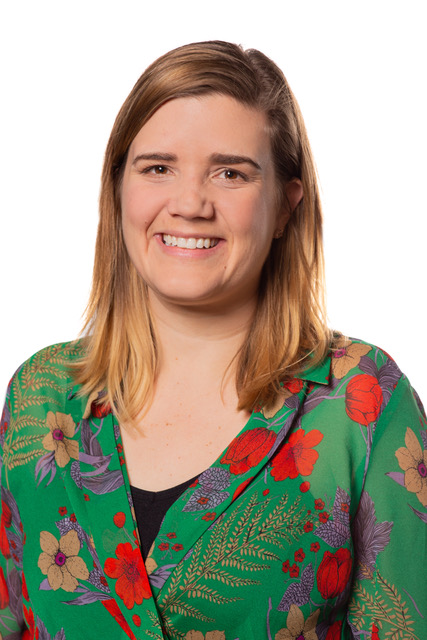
Keris Jän Myrick is a Co-Director of S2i, Podcast host of Unapologetically Black Unicorns and serves on the Board of the National Association of Peer Specialists (N.A.P.S.). Ms. Myrick has over 15 years of experience in mental health services innovation, transformation, peer workforce development and authored peer reviewed articles and book chapters. She held executive positions at local, federal, and national levels and was the Board President of NAMI. Ms. Myrick’s work and advocacy has focused on lived experience and race equity. Ms. Myrick is a Certified Personal Medicine Coach, has an M.S. in organizational psychology from the California School of Professional Psychology of Alliant University and MBA from Case Western Reserve University’s Weatherhead School of Management.

Phyllis Vine is an American historian and freelance writer. Her writings concern grassroots activists fighting for civil right, social justice and disability rights.  Her most recent book, Fighting for Recovery, discusses how people with a lived experience upended conventional models to demand person-centered recovery free of constraints. Her writing has appeared in publications such as The Washington Post, Slate, The Nation, Extra!, Psychology Today, City Limits, Progressive), as well as peer-reviewed journals. Formerly a New Yorker, she now lives in Western Mass., and has walked alongside several relatives in the process of recovery.

Webinar | Re-Imagining Systems to Foster Wellbeing Everywhere

November 15, 2022 by Holly Salazar

Imagine a model of care resting on a set of principles that, when adopted to the fullest, could diplomatically disrupt systems and shift paradigms, change organizational structures, create fresh and inclusive workplace cultures, and transform the clinical care experience for every person and community.  In this webinar, we will explore Stepped Care 2.0 as it disrupts the status quo and shifts systems, organizations, and the way people work together and value one another with the ultimate goal of fostering well-being everywhere.

Presentation Slides

Presenters

Dr. Peter Cornish is an Honorary Research Professor at Memorial University, the Co-Director of Student Mental Health at the University of California Berkeley. His clinical and research interests include online mental health, stepped care treatments, mental health service innovations, and interprofessional team functioning. Over the past ten years, he has provided consultation and on-site training on his Stepped Care 2.0 model to over 200 organizations globally, including work with transforming mental health care systems across seven Canadian provinces and territories. The not-for-profit company he founded, Stepped Care Solutions, is the lead administrative partner on Wellness Together Canada, a federal COVID-19, $65M mental health program for all peoples of Canada. He is the principal investigator for a $1.14M CIHR transitions-in-care, four-year research grant aimed at digitizing and evaluating Stepped Care 2.0 across three Canadian provinces/territories. Currently he is collaborating with colleagues on a three-book series on Stepped Care 2.0 to be published by Springer, with the first in the series available now.

Gillian Berry, PhD, LICSW, LCSW-C, CQSW obtained her Master’s and Doctoral degrees from Birmingham University in England.  She has over 35 years of experience as an educator and practitioner in the field of clinical mental health and human services.  Dr. Berry is currently the Vice President of Culture and Diversity at Stepped Care Solutions. She also provides clinical consultation, supervision, training and direct services for human services organizations such as child welfare and mental health agencies.  She has been a faculty member at the University of Botswana’s Department of Social Work Southern Africa, and the University of Maryland, School of Social Work.  Her clinical interests have focused on providing short-term solution-focused services/therapy from an indigenous perspective. She is the author of the empowerment novel The Righteous Sin.

Implementation Accelerator: Leadership Training through Application

September 22, 2022 by Holly Salazar

Offered in partnership with Health Management Associates (HMA). 

Access the Slide Deck Here

The healthcare industry is constantly evolving and requires a workforce that is responsive and able to lead and adapt to changes. Healthcare professionals are continually asked to incorporate new services, care models, quality measures, and process improvements into daily work. While clinical innovations and operational improvements are promising, there is growing recognition of the gap between plans to implement them and actual implementation. This has created an entire field of study, implementation science, to close this gap.

Health Management Associates (HMA) has extensive leadership, operational, and clinical expertise working directly with health systems, health plans, providers, foundations, community-based organizations, and associations and can help clients understand and use implementation science informed approaches for successful change. Drawing on this experience, we developed the HMA Implementation Accelerator, a leadership development framework that utilizes implementation science to address on-the-ground challenges and lead successful implementation efforts. This presentation will cover the framework and components of Implementation Accelerator.

Learning Objectives:

At the end of this webinar, participants will be able to:

  1. Identify common barriers to successful project implementation​
  2. Describe skills needed to successfully lead project implementation​
  3. Review evidence-based principles to develop leadership skills​
  4. Outline project-based, skill development process to build​ implementation leaders​

Speaker Information

Suzanne Daub, LCSW

Suzanne Daub is a licensed clinical social worker with over 30 years of experience in direct patient care, program administration, managed care, and integrated behavioral health. A nationally recognized leader in integrated care, Ms. Daub is passionate about a “no wrong door” approach to care and works across systems to ensure individuals and families get whole-person, recovery-oriented services regardless of where they seek help. She has published in the area of integrated care workforce development, and as trained coach, provides practice coaching and mentoring in projects related to strengthening leadership, process and quality improvements, team-based care, and other system redesigns. Ms. Daub’s expertise includes designing and facilitating large scale quality improvement learning collaboratives. She is trained in several facilitation approaches designed to activate and distribute participation, including Dialogic Organizational Development and Liberating Structures.  Immediately prior to joining HMA, Ms. Daub served as senior director of integrated care initiatives for UPMC/Community Care Behavioral Health. She earned a Master of Social Work from Smith College School for Social Work and has postgraduate training in leadership coaching. Ms. Daub served on the Board of Directors for the Collaborative Family Healthcare Association and has an active clinical and coaching practice.

Marsha Johnson, MSW, LCSW

Marsha Johnson is a leader in complex care program development, integrated health delivery, curriculum development, and workforce and leadership development. She is passionate about building a resilient workforce and systems to meet the demands of the safety net environment and deliver quality, comprehensive care to complex populations.

Marsha’s broad clinical expertise includes individual and group psychotherapy, behavioral health consultation in the primary care environment, psychosocial interventions for group medical visits, batterers intervention, and supervision/training of students in health professions. She spent 12 years working in the federally-qualified health center environment where she guided the behavioral health program from co-location to full integration to improve care for patients with chronic disease including mental illness and substance use disorders. She currently maintains a private practice focused primarily on the delivery of dialectical behavior therapy.

As a member of the innovation team at the Urban Health Institute at Cooper Health System, Marsha brought her expertise to the redesign of ambulatory care services for the Medicare and Medicaid populations. She designed and implemented care transitions programs, integrated health coaching into primary care, and launched collaborative care planning with community-based services.

Prior to joining HMA, Marsha served as chief learning officer leading technical assistance and educational programs aimed at the development of complex care eco-systems in communities across the country. In partnership with academic institutions, she successfully scaled an interprofessional training program utilizing experiential learning to advance understanding of the impact of social determinants of health. She was also instrumental in the development and activation of the strategic plan of the National Center for Complex Health and Social Needs.

Elizabeth Wolff, MD, MPA

Elizabeth Wolff, MD, MPA is a physician executive who utilizes her expertise in population health, quality improvement, and practice operations to transform primary care to align with value-based care.

Dr. Wolff is a family physician who began her career at an FQHC in Manhattan and was subsequently promoted to Medical Director where she oversaw clinical quality and operations of 30 residents, NPs, and physicians.  In this role she guided implementation of Epic electronic medical records as a Super User, created templates, and trained new physicians on its use.  During her tenure she supervised their first and subsequent accreditation by The Joint Commission, which they passed with much commendation.  Operationally, she increased productivity of attending physicians by 20%.

She came to HMA from Northwell Health, an $11B health system, where she served as the medical director for complex care management. In that role, she expanded care management to 40 primary care sites undergoing patient-centered medical home (PCMH) transformation, strategically realigned the team to prioritize patients in full-risk and other value-based arrangements and oversaw the integration of behavioral health services into 17 primary care practices.  Dr. Wolff has also held numerous leadership positions in public health and not-for-profit health systems and oversaw clinical quality and operations.

Since joining HMA, Dr. Wolff has coached executives by using formal assessments and working with them to identify and attain their goals. She has coached leadership teams in change management and new program implementation.  She has assisted FQHCs to implement behavior health integration, create care teams, develop care management programs, and optimize clinical operations.  Additionally, she has led strategic planning initiatives.  With an expertise in quality improvement, Dr. Wolff has helped behavioral health independent practice associations (IPA) create quality improvement infrastructures.

Dr. Wolff graduated magna cum laude from the College of William and Mary. She attended medical school at Weill Cornell Medical College and received a Master of Public Administration at New York University Wagner School of Public Service. Dr. Wolff is a board-certified family physician and completed her residency at the University of Rochester.

Webinar | Self-Assessment for Modification of Anti-Racism Tool (SMART)

July 19, 2022 by Holly Salazar

Presentation Slides
SMART Tool
Written Q&A Responses
Follow up Dialogue: On the Ground Experience

This webinar will introduce participants to the Self-Assessment for Modification of Anti-Racism Tool (SMART), an innovative self-directed quality improvement tool developed by the American Association for Community Psychiatry (AACP) to assist community mental health organizations in addressing structural racism. The presenters will describe the process by which SMART was developed, including its grounding in input from community mental health providers and existing health inequity frameworks. The domains and items of SMART as well as its application process will be outlined. Presenters will also provide lessons from on-the-ground applications of SMART in diverse community mental health settings.

Participants will be able to:

  • Describe the relevance of and importance of addressing structural racism in the community mental health setting
  • Understand the 5 domains of the Self-Assessment for Modification of Anti-Racism Tool (SMART) tool, including literature evidence supporting the selection of SMART’s domains and items
  • Understand the on-the-ground experience of applying SMART in diverse community mental health settings

Speaker Information

Rachel Talley, MD

Rachel Talley, M.D. is Assistant Professor of Clinical Psychiatry in the Department of Psychiatry at the University of Pennsylvania (UPenn). She is Director of the UPenn Department of Psychiatry’s Fellowship in Public and Community Psychiatry and is also an Associate Program Director for the UPenn Department of Psychiatry’s adult psychiatry residency program. She also directs the University of Pennsylvania’s Spaces of Color Initiative, a peer support program for Penn community members impacted by experiences of racism. She has several years of frontline clinical experience in community-based settings. Dr. Talley received her B.A. from Harvard University and her M.D. from Stanford University School of Medicine. She completed both her residency training in adult psychiatry and public psychiatry fellowship at Columbia University/New York State Psychiatric Institute. She has several peer-reviewed publications examining the integration of physical health services into behavioral health settings. She has been recognized for her teaching and leadership in community mental health, including receipt of the University of Pennsylvania Department of Psychiatry’s Albert Stunkard Faculty Recognition Award both in 2021 and 2022, and the 2021 Larry A. Real Award from the Montgomery County PA chapter of the National Alliance on Mental Illness (NAMI).

Sosunmolu Shoyinka MD, MBA

Dr. Sosunmolu Shoyinka is the Chief Medical Officer for the Department of Behavioral Health and Intellectual disAbility Services (DBHIDS). In this role, Dr Shoyinka utilizes a combination of health system policy and process improvement strategies to assure optimal population health for approximately 1.6 million Philadelphians. As Chief Medical Officer, Dr Shoyinka led the redesign of Philadelphia’s Crisis system, in preparation for the implementation of 988.  Prior to this role, Dr. Shoyinka held several leadership positions. These include Medical Director for Sunflower and Home State Health plans and Director for the Missouri Behavioral Pharmacy Management program. The latter program resulted in cost savings of over $10 million over a decade. While at Centene, Dr Shoyinka co-led the design of a patent-pending analytic software platform that facilitates population health management for individuals with substance use conditions. He is also a co-developer of the SMART Tool, which facilitates self-directed antiracism work within organizations.  

Dr. Shoyinka trained at Yale, Columbia, and NYU and holds an MBA from the Kelley School of Business. He serves on several national committees. These include the Board of the American Association for Community Psychiatry, the Medical Director Institute for the National Council, and the Group for the Advancement of Psychiatry. He also serves as voluntary faculty at the University of Pennsylvania and is a fellow of the Philadelphia College of Physicians. In 2021, he was recognized as a Black leader shaping the future of Psychiatry by the Scattergood Foundation.  In May 2022, Dr. Shoyinka received a Special President Commendation Award from the American Psychiatric Association.


Pamela D. McClenton, LCSW

Pamela D. McClenton, LCSW is Senior Director of Clinical Quality for the Management of Diversity, Equity, and Inclusion for the Philadelphia Department of Behavioral Health & Intellectual disAbility Services, Division of Planning and Innovation. Pam’s social work career spans over 39-years. She has extensive experience in Child Welfare and Behavioral Health. Pam is a Licensed Clinical Social Worker in Pennsylvania and has been practicing as a mental health clinician for twenty-four years. She began her career with The City of Philadelphia at DBHIDS in 2004 and has served in numerous leadership capacities, including project manager for high-profile city initiatives The Mayor’s Task Force to Combat the Opioid Epidemic (2017) and The Mayor’s Curfew Center Initiative (2005-07). She developed and managed the DBHIDS Opioid Overdose Prevention and Narcan Rescue Training (2016-19) and successfully implemented the Department’s Emergency Protocol Response to the Opioid Epidemic (2018). In addition, Pam has served as a Steward for Local 2186 and Chair of the Quality of Work-Life Steering Committee for years. As Senior Director of Clinical Quality Management for Diversity, Equity and Inclusion, Pam leads the department’s internal and external DEI strategies and agendas. Since 2019 the DBHIDS DEI team led by Pam has developed a robust DEI presence. Through collaboration with internal and external stakeholders, the DEI team works to create a DEI-infused workplace culture where everyone can thrive and be authentic and included, have a voice, and feel valued, and achieve health, well-being, and self-determination. Pam is the recipient of prestigious awards and honors in recognition of her dedication and commitment: Commissioner’s Award (2018); Triumph Missionary Women of Honor Award (2018); Outstanding Leadership Award (2012); ACE Leadership Award (2007). Pam is a proud, thriving dyslexic neurodivergent who advocates relentlessly for people with invisible challenges. Pam stays busy with her business “Pamella on a Dime Home Design,” enjoys family time, and “loving on” her two beautiful grandchildren in her spare time.

Hunter L. McQuistion, MD

Hunter L. McQuistion, MD, is Clinical Professor of Psychiatry at NYU Grossman School of Medicine and medical director of the SAMHSA-funded EnTRy Program at the Family Health Centers at NYU Langone. Previously, he was chief of the Department of Psychiatry and Behavioral Health at NYC Health+Hospitals | Gouverneur, chief of outpatient and community psychiatry at St. Luke’s-Roosevelt Hospital, chief medical officer for mental hygiene services at the New York City Department of Health and Mental Hygiene, and medical director of Project Renewal, Inc., a New York City nonprofit offering comprehensive care for disabled adults who experience homelessness. He completed residency at NYU Medical Center, where he was also a chief resident, and completed the Fellowship in Public Psychiatry at the New York State Psychiatric Institute at Columbia University.

His expertise is managing public and community-based systems of care for people with mental health challenges, having practiced in emergency departments, inpatient and community outpatient environments, shelter-based therapeutic communities, housing programs, and street outreach. He has published, presented, and taught on issues in community mental health and the care of underserved and diverse populations, especially as they concern recovery orientation, advocacy, clinical engagement, psychiatric rehabilitation, and co-occurring substance misuse. He is a past president of the American Association for Community Psychiatry, a recipient of the National Alliance on Mental Illness (NAMI) Exemplary Psychiatrist Award, a Fellow of the New York Academy of Medicine, and a Distinguished Life Fellow of the American Psychiatric Association.

Rochelle Head-Dunham, MD, DFAPA, FASAM

Rochelle Head-Dunham, MD, DFAPA, FASAM, an Endowed Professor at LSU School of Medicine, is an Addiction Psychiatrist with academic appointments as Clinical Associate Professor and Clinical Assistant Professor of Psychiatry at LSU and Tulane University Schools of Medicine, respectively. Her past immediate appointments were Assistant Secretary and Medical Director for the Office of Behavioral Health (OBH) within the Louisiana Department of Health (LDH). In that capacity, she represented the state of Louisiana nationally as the Mental Health and Addictive Disorders Authority, serving as both the Commissioner of Mental Health for the National Association of Mental Health Program Directors (NASMHPD), and the Single State Agency Director for the National Association of Alcohol and Drug Abuse Directors (NASADAD).

Dr. Head-Dunham’s academic and administrative leadership has fostered noteworthy advances in the fields of addiction and mental health. She has served as a subject matter expert on various national and state platforms informing best practices for the field of behavioral health. Her clinical accolades include Clinical Faculty of the Year for the 2021 academic year at LSU School of Medicine. In 2019 she was the recipient of the Nyswander/Dole Award from the American Association for the Treatment of Opioid Dependence, INC. (AATOD). Both awards are demonstrative of her career success as a thought leader and strategist for programmatic and provider development, well documented by extensive lectures and trainings, both locally and nationally. Her clinical acumen coupled with her transformative management style has shaped an administrative career that fosters enduring changes for both systems, organizational and individual levels of performance.


Dr. Rochelle Head-Dunham is a New Orleans native who currently serves as the Executive Director and Medical Director for Metropolitan Human Services District (MHSD), a state local governing entity tasked with service delivery for indigent and Medicaid ensured persons living with mental illness, substance use disorders and intellectual/developmental disabilities, residing in Orleans and neighboring parishes.

  • « Go to Previous Page
  • Page 1
  • Page 2
  • Page 3
  • Page 4
  • Page 5
  • Page 6
  • Go to Next Page »

Footer

Contact Us

info@leaders4health.org
9 Meriam St., Suite 4
Lexington, MA 02420

Connect with Us

  • LinkedIn

Join Our Mailing List

Key Links

  • Membership
  • Resources
  • About

Copyright © 2026 · The College for Behavioral Health Leadership · All Rights Reserved · Website by Tomatillo Design