Subscribe to Our Newsletter

  • Skip to primary navigation
  • Skip to main content
  • Skip to footer
The College for Behavioral Health Leadership

The College for Behavioral Health Leadership

Where behavioral health leaders collaborate to grow and transform communities across the nation.

  • About
    • Vision, Mission, Principles
    • Who We Are
    • What We Offer
    • Board of Directors
    • Staff
    • Thank you to our Sponsors!
    • Contact
  • Programming
    • All Webinars & Events
    • Workforce Solutions Jam
    • Equity-Grounded Leadership
      • Equity-Grounded Leadership Fellow Program
        • Funding Partners
        • Past EGL Cohorts
      • Equity-Grounded Leadership Executive Coaching Program
      • Characteristics of Equity-Grounded Leaders
        • The Principles of Change
  • Resources
    • Webinar Archive
    • Summit Archive
    • Healthy Behavior Change E-Guide
    • Journal Articles, Reports & Toolkits
    • Links
      • Health Equity and Anti-Racism
  • Membership
    • Why Join CBHL?
    • Membership Options
      • CBHL Membership Scholarship Fund
      • Give the Gift of a CBHL Membership
    • Organizational Members
    • Glue Up Member Community
  • News
  • Donate
    • CBHL Membership Scholarship Fund
    • Thank You to Our Donors

Search The College for Behavioral Health Leadership

Videos & Webinars

Webinar | Innovations in Youth Mental Health: Part 2

June 22, 2022 by Holly Salazar

Offered in partnership with the International Initiative for Mental Health Leadership. 

Presentation Slides

Youth mental health has been identified as a top behavioral health priority in our communities. Join this panel discussion to learn more about innovative programs and resources offered across the North American Region to support the mental health of our youth, and how you can replicate in your own community. 

Supporting Young Adult College Students with Mental Health Conditions: Insights from a Feasibility Trial of HYPE on Campus

HYPE on Campus is a college-based intervention focused on preventing dropout and enhancing persistence of young adult college students with mental health conditions (MHC).  This presentation will describe the model and share insights learned from a recent feasibility trial of HYPE on Campus at a 4-year state university. Discussion will focus on the need of college students with MHC, how HYPE was adapted to meet the COVID-related impacts of this population, and experiences of students receiving services. 

Sustaining and Scaling: How to Make Something Work in Your Context

This presentation will focus on providing you tools to implement good programming, models and/or practice in their context. You will learn how to identify core components, drivers for successful implementation and how to sustain the change. 

Centering LGBTQ+ Youth’s Mental Health Needs With Affirmative Practices

LGBTQ+ youth are at a higher risk for mental health distress compared to their non-LGBTQ+ peers. WJCS Center Lane works to combat that by providing programming where LGBTQ+ youth create community, connect with culture, and contribute to the world! This community support plays a crucial role in increasing resiliency among queer adolescents. This presentation will demonstrate the importance of gender and identity affirming spaces for youth and provide tools for fostering those spaces even in non-LGBTQ+ focused contexts. We’ll review the positive youth development strategies implemented in our programming, including our peer-to-peer support groups, adaptive response to community needs, and strengths-based approach to gender affirmation.

Speaker Information

Michelle Mullen, PhD

Michelle G. Mullen, PhD, is at UMASS Chan Medical School, Department of Psychiatry. Michelle’s main areas of expertise are mental health conditions (MHC), young adult (YA) services, career development, postsecondary education, and modernization of services. Her research focuses on increasing persistence and performance in work and school; cognitive training to enhance executive functioning skills; prevention of disability identity; and the evaluation of policy and programs to support normative development. Michelle is the clinical developer of a career development model, HYPE, that integrates employment and education support.

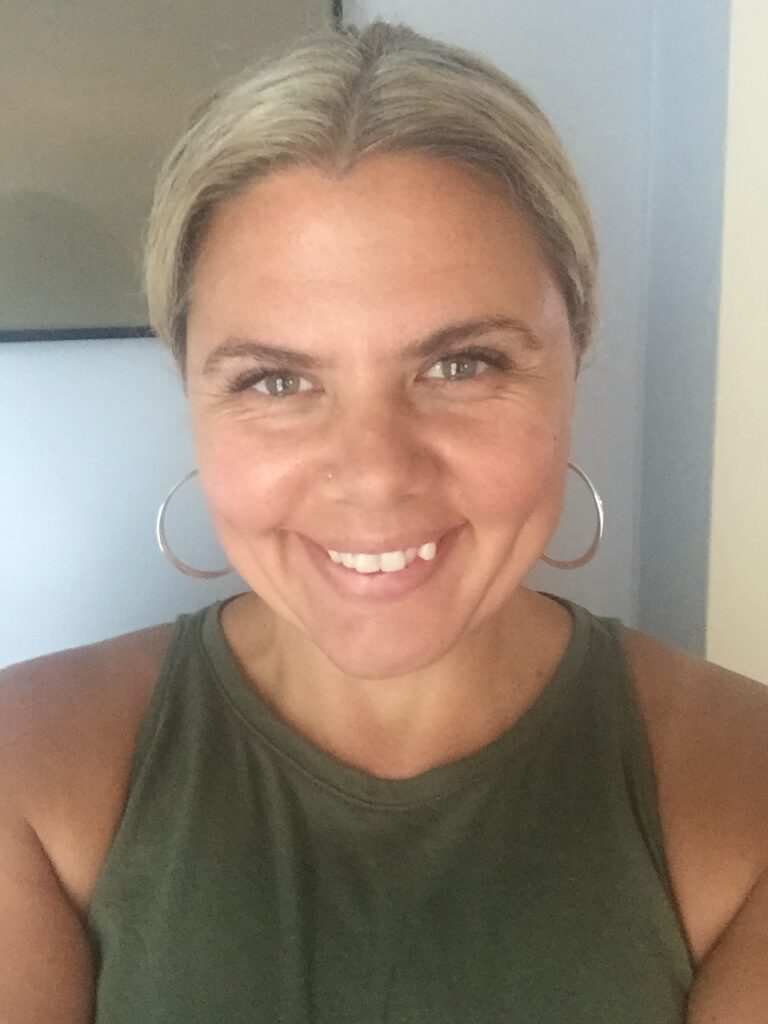
Shauna MacEachern

Shauna (she/her) is the Executive Director of Frayme, a national knowledge mobilization charity working to bring best evidence and knowledge to those implementing programs and services in the youth mental health sector. Shauna works to change systems and takes great joy in diving into complex and head-scratching transformative efforts. Driven by a commitment to social justice and deconstructing inequitable systems of service, Shauna firmly believes in a human-centered approach to her work. Having worked to enhance outcomes for children, youth, and their families in the mental health and substance use systems for over 15 years, Shauna believes that working together at community, provincial/territorial, and national levels is instrumental in eliminating fragmentation.  

Liz Verrastro, LMSW

Liz Verrastro (she/her) is a Licensed Master Social Worker. She has a BA in English Literature from SUNY Geneseo and an MSW from Fordham University. She is a certified Youth Mental Health First Aid instructor and is trained in providing inclusive care for LGBTQ+ youth. As a counselor, she’s worked with youth of all ages and believes education and prevention are cornerstones of social work and activism. In addition to her work with youth, she also works for young people by providing trainings on supporting LGBTQ+ youth throughout Westchester County. 


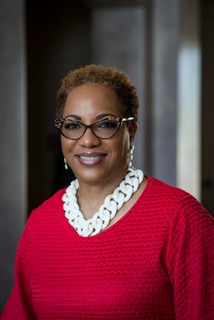
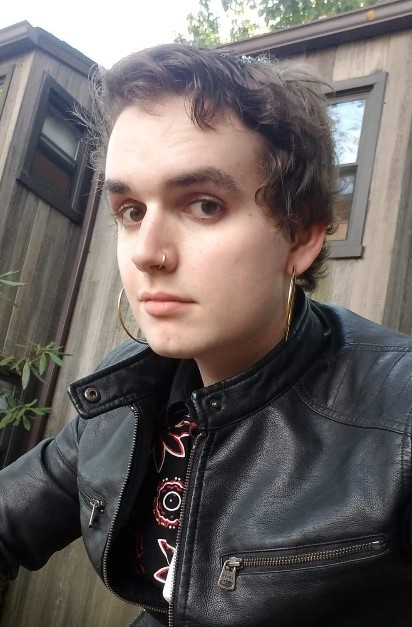
Alice Charlotte Bethke

Alice Charlotte Bethke (she/her) is an intern at WJCS Center Lane. She has previously helped facilitate Center Lane’s youth groups and Pride Camp and is the co-author of Center Lane’s Pride Academy Curriculum. As a trans woman from Iowa, she knows the importance of inclusive, community-building support from adults and peers. She lives in New York and is attending Sarah Lawrence College, where she is concentrating in fiction writing.

Webinar | Innovations in Youth Mental Health: Part 1

June 15, 2022 by Holly Salazar

Offered in partnership with the International Initiative for Mental Health Leadership. 

Presentation Slides

Resource Links:

  • Emotional CPR Website
  • National Empowerment Center Website
  • Youth Move National Website
  • We R H.O.P.E. Website
  • Drumming for Your Life Website
  • MHTTC Website

Youth mental health has been identified as a top behavioral health priority in our communities. Join this panel discussion to learn more about innovative programs and resources offered across the North American Region to support the mental health of our youth, and how you can replicate in your own community. 

Reading & Rhythm Changes Lives

Steven Angel will present an overview of the underlying causes for why students struggle with reading and how it affects their mental health. He’ll address how rhythm changes the inner workings of the mind by transforming the Doubtful Internal Voice, while improving focus and concentration. He’ll share the building blocks that are used in Reading & Rhythm to dramatically improve reading scores and share how rhythm  increases motivation and self-esteem. He’ll close with discussing a training process that can affect tens of thousands of students in the United States and abroad.

The Power of Youth Emotional CPR

Oryx Cohen and Miranda Todt will present on the development of Youth Emotional CPR (eCPR) by and for youth. Their presentation will include the basics of eCPR (C – Connect, P – emPowerment, R – Revitalization) and share highlights of their experience delivering Youth eCPR around the world.

Culturally Relevant Interventions for Mental Health Providers Serving Hispanic and Latino Youths

Latinx youths are at significant risk for mental health problems, including anxiety, depression, and suicide attempts. Latinx youths are also less likely to access culturally responsive mental health services and continue to be undiagnosed or untreated. This can lead to negative outcomes such as negative interactions at school and with authorities, increased disconnection from family and society, and exposure to the criminal justice system. This presentation will review related stressors and gaps that impact Latino youth and families. Special considerations for Hispanic and Latino youth mental health will be discussed.

Speaker Information

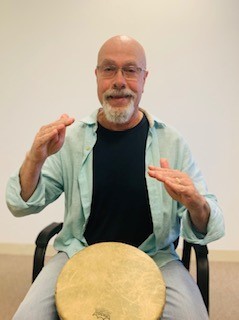
Steven Angel

Steven Angel is President, founder, and creator of programs of the Drumming for Your Life Institute (DFYL), a non-profit organization based in Los Angeles. In 2001, Steven created the Reading & Rhythm program, which uses rhythm and educational tools to help students achieve higher grades and improved behavior. DFYL has implemented the Reading & Rhythm program in over 100 schools, detention camps, juvenile halls, wellness, and family centers helping thousands of pre-k thru 12th grade & adult students. His staff have trained teachers in U.S. and Europe. A statistical analysis by UCLA showed the program makes a significant difference.

Oryx Cohen, M.P.A.

Oryx Cohen is the Chief Executive Officer of the National Empowerment Center. He serves as President of the Board for the Massachusetts Transformation Center and We R Hope, and is a master Emotional CPR trainer. Oryx co-produced and is a subject in the award-winning social action documentary HEALING VOICES, which was released in April 2016. Oryx lives with his wife and two children in Massachusetts.

Miranda Todt

Miranda is the Board Secretary for We R H.O.P.E. and an Emotional CPR Trainer.  She co-wrote the Youth Emotional CPR (eCPR) curriculum and has taught eCPR to youth around the world, including girl scouts in New Hampshire.  Miranda is currently a college student who aspires to be an Emergency Room medical professional.


Angel Casillas-Carmona, M.H.S.

Angel Casillas-Carmona, M.H.S., completed his graduate studies at Universidad Central del Caribe (UCC) in 2020 and obtained his Master’s in Health Sciences in Substance Abuse Counseling. He currently stands as Project Manager for the National Hispanic and Latino Mental Health Technology Transfer Center (MHTTC), subsidized by SAMHSA, emphasizing the Hispanic and Latino populations in the United States and its territories. He began his professional development as a Technology Transfer Specialist at the Institute of Research Education and Services of Addiction (IRESA) of UCC. He oversees coordinating training services and education and provided technical assistance for the SAMHSA-subsidized Opioid Response Network (ORN) for Puerto Rico and the Virgin Islands. He is a volunteer coordinator for Gua’kia pa la calle, an independent harm reduction and syringe exchange program. 

Webinar | Soteria New York: Bringing an Innovative Approach to Psychiatric Crisis to New York

June 9, 2022 by Holly Salazar

Offered in partnership with New York Association of Psychiatric Rehabilitation Services (NYAPRS) and Community Access. 

Presentation Slides – Soteria NYC

This webinar will discuss the history and future of the Soteria model, an evidence-based alternative to acute hospitalization for persons experiencing psychiatric crises. Soteria provides intensive support in a communal residential setting with emphasis on humane interactions and understanding.

Replications of the Soteria model have been few and far between since the remarkable success of the original Soteria experiment, spearheaded by Loren Mosher and Alma Menn in the 1970s. Recently, a wide-ranging renewal of the Soteria model has taken place in Israel with very positive outcomes.

The need for alternatives to police intervention and hospitalization for crisis stabilization, has led to a development of short term residential facilities in many US states. Following the success of the Parachute Project, New York State has been a pioneer in promoting the establishment of such residential alternatives with an eye on further expansion. This discussion will consider how the Soteria model would be uniquely impactful in New York State.


Speakers:

Pesach Lichtenberg | Founder, Soteria Isreal; Psychiatrist based in Jerusalem

Voyce Hendrix | Director, Soteria San Jose (1976-78); Social Worker, St. Paul, MN

Yana Jacobs | Counselor, Soteria San Jose; Social Worker, Santa Cruz, CA

Daniel Bergner | Contributing Writer, New York Times; Author of Upcoming Book – The Mind and the Moon – My Brother, the Science of Our Brains and the Search for Our Psyches

Elan Cohen | Clinical Psychology Doctoral Candidate and Former Peer Specialist with the Parachute Program

Peter Stastny | Psychiatric Consultant; Co-Founder of International Network Towards Alternatives and Rights-Based Supports

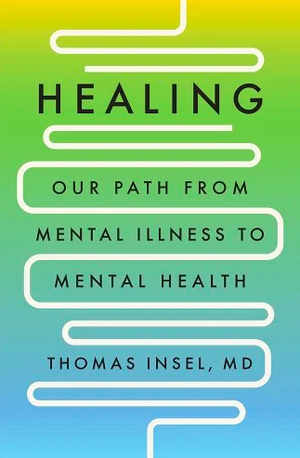
Webinar with Dr. Tom Insel | Healing: Our Path from Mental Illness to Mental Health

June 9, 2022 by Holly Salazar

Offered in partnership with the International Initiative for Mental Health Leadership. 


Presentation Slides

The fruit of a lifetime of expertise and a global quest for answers, Healing: Our Path from Mental Illness to Mental Health is a hopeful, actionable account and achievable vision for us all in this time of mental health crisis.

Dr. Insel, former Director of the National Institute of Mental Health, left his position atop the mental health research world to investigate all that was broken—and what a better path to mental health might look like. He found that we do have approaches that work, both in the U.S. and globally. Mental illnesses are medical problems, but he discovers that the cures for the crisis are not just medical, but social. This path to healing, built upon what he calls the three Ps (people, place, and purpose), is more straightforward than we might imagine. Dr. Insel offers a comprehensive plan for our failing system and for families trying to discern the way forward.


Dr. Thomas Insel

Tom lnsel, M.D., a psychiatrist and neuroscientist, has been a national leader in mental health research, policy, and technology. From 2002-2015, Dr. Insel served as Director of the National Institute of Mental Health (NIMH). More recently, he led the Mental Health Team at Verily (2015-2017); co- founded Mindstrong Health (2017-2019), a start-up building tools for people with serious mental illness; and served as a special advisor to California Governor Gavin Newsom (2019), helping on behavioral health issues. In 2020, he co-founded Humanest Care, a therapeutic online community for recovery. He currently serves on the boards of Foundation for NIH, Fountain House, Schaeffer Center for Health Policy, and the Steinberg Institute (Chair, 2019-2022) as well as being an advisor to several mental health start-ups (including Alto Neuroscience, Cerebral, Compass Pathways, Owl Insights, Koa Health, Valera Health). He is the author of Healing: Our Path from Mental Illness to Mental Health (Penguin Random House, 2022). With journalist co-founders, he recently launched MindSite News, a non-profit digital publication focused on mental health issues. Dr. Insel is a member of the National Academy of Medicine and has received numerous national and international awards including honorary degrees in the U.S. and Europe. More information on Dr. Insel can be found here.

The Reality of Co-Production: Learning from Experiences of Working with Service Users as Stakeholders

May 24, 2022 by Holly Salazar

Presentation Slides

Offered in partnership with the International Initiative for Mental Health Leadership. 

The term co-production refers to a way of working where service providers and users, work together to reach a collective outcome. The approach is value-driven and built on the principle that those who are affected by a service are best placed to help design it.

Co-production is an approach to decision-making and service design rather than a specific method. It stems from the recognition that if organizations are to deliver successful services, they must understand the needs of their users and engage them closely in the design and delivery of those services. 

Co-production rejects the traditional understanding of service users as dependents of public services, and instead redefines the service/ user relationship as one of co-dependency and collaboration. Just like users need the support from public services, service providers need the insights and expertise of its users in order to make the right decisions and build effective services. In practice, it means that those who are affected by a service are not only consulted, but are part of the conception, design, steering, and management of services.

Using real-life examples, this interactive discussion session will share learning from the theories, tensions, challenges and benefits of co-production in health practice and research. Among other areas, we will collectively discuss power inequalities, lived experience vs data to inform decision-making, and ethical considerations. 

Learning Objectives:

  1. Understand the theories and policy drivers of undertaking co-production in health research and services.
  2. Consider the real-life implementation challenges of co-production in practice within current health systems and contexts. 
  3. Develop an understanding how leaders can support co-production in future healthcare.

Speaker Information

Dr. Corinna Hackmann

The research we develop is clinically applied and has co-production at its heart. Meaningful research development should encompass a multitude of perspectives and empower everybody. This has included work on diagnosis, peer support, autistic spectrum disorders, eating disorders and discharge from inpatient settings. We have worked in collaboration with the World Health Organisation on a paper published in the Lancet Psychiatry on the need to include service-user perspectives in diagnostic guidelines.

I am also interested in co-creativity, the arts and language. We are currently working on a project to explore the impact of the language on people who have experienced mental health issues.


Dr. Bonnie Teague

I work across all areas relating to mental health research and lead the strategic programmes of work relating to research within the NHS.

My specific research interests are in mental health inequalities, global health services and social determinants of mental health. I am also Associate Professor in mental health services research at the University of East Anglia, and act as supervisor for nursing, PhD and psychology trainees.

I am passionate about how research can be used as a tool of education and learning for everyone and can also support principles of health equity by challenging the status quo through high-quality evidence.  My current research focuses on supporting marginalised health groups to engage in health intervention development.

Community As Medicine

May 19, 2022 by Holly Salazar

Presentation Slides

Struggling with workforce shortages? Curious about truly integrative bio-psycho-social-soulful care? Wondering how to integrate peers or coaches into your services?

Open Source Wellness (OSW) is an Oakland-based nonprofit with a mission of transforming health care and health outcomes in partnership with communities.

OSW can be understood as a “Behavioral Pharmacy,” delivering on the “Behavioral Prescriptions” that primary care, specialty care, and behavioral health providers offer to their patients who are struggling with (or at risk for) behaviorally-mediated conditions including depression, anxiety, social isolation, diabetes, and hypertension. OSW partners with clinical providers and payors to deliver its experiential “Community As Medicine” model, achieving striking clinical patient outcomes and generating revenue for FQHC’s and other clinical delivery systems. Utilizing culturally-relevant health coaches and peer leaders to support diverse and transdiagnostic populations, OSW represents a next-generation behavioral health solution and a new way of organizing clinical delivery services.

International Innovations to Support the Workforce: Addressing Moral Distress and Moral Injury in Healthcare Workers

April 7, 2022 by Holly Salazar

Links:

  • Presentation Slides
  • Guide to Moral Injury
  • Moral Injury What Is It and What Can Leaders Do about It? 
  • Moral Injury Taking Action to Prevent Moral Injury: Quick Tips for Leaders  
  • A Conversation Guide Helping Leaders Talk about Moral Injury 
  • Showing Gratitude For Your Team  
  • Effective Communication During times of Stress and Uncertainty  
  • Listen to Learn Understanding the Needs and Stressors of Your Team 
  • Mapping Your Assets Looking Through a New Lens 

Description: Since the COVID-19 outbreak, frontline health care workers and first responders have been under considerable stress. Every day they are engaged in a balancing act making critical decisions around which patients will receive life-saving care when resources are limited, having to discharge someone earlier than recommended to avoid the risk of infecting others, or having to eliminate ‘non-essential’ care during the crisis.

Being stretched physically and mentally, and unable to provide optimum care to everyone, may lead to moral injury. Moral injury refers to the impact of extremely challenging, morally laden experiences that upset one’s value system. If not addressed, moral injury can result in long-lasting emotional and psychological damage.

Health care workers need organizational, team, and individual supports now.

The Atlas Institute for Veterans and Families and Phoenix Australia – Centre for Posttraumatic Mental Health have co-developed A Guide to Moral Injury that addresses this situation among health care workers. A practical resource for health care workers and organizations ,the guide: i) defines moral injury; ii) lays out the stressors and harms that may lead to moral injury, focusing on those prevalent in the health care setting related to COVID-19; iii) provides a framework for managing events in the workplace that can lead to moral injury; iv) outlines actions that can be taken at the organizational, team, and individual levels to mitigate and reduce the harms that can lead to moral injury; v) explores how race and culture intersect with morality and are axes of identity relevant to the experiences of moral distress and moral injury, and how racism influences health outcomes.

Equity as a Foundation for Leadership: Experiences and Recommendations for Behavioral Health Leaders

March 24, 2022 by Holly Salazar

Links:

  • To learn more about the experiences of and recommendations for developing equity-grounded leaders and prioritizing health equity stemming from Region 3 behavioral health leaders, see the report, Equity as a Foundation for Leadership: Experiences and Recommendations for Behavioral Health Leaders.
  • Presentation Slides

Description:

Leaders must embody equity as an operating principle – as a mindset – to transform behavioral health systems. 

Late in 2021, Health and Human Services (HHS) Region 3 leaders were asked to share their experiences and perspectives on equity as a foundation of leadership. In a diverse region with nearly 31,000,000 people, clear racial disparities exist on key indicators of health equity. The consequences of these disparities are far-reaching and not only affect the health and well-being of individuals receiving care, but also of the behavioral health workforce.  

On March 1, 2022, the Central East Addiction Technology Transfer Center (CE-ATTC), funded by the Substance Abuse and Mental Health Services Administration (SAMHSA) and operated by The Danya Institute, released a report describing and defining Equity Grounded Leadership for use by behavioral health leaders in Region 3 states. This report, developed by The College for Behavioral Health Leadership (CBHL) in partnership with Just Health Collective, LLC and Prevention Institute, builds on the Danya Institute’s ongoing efforts to improve diversity, increase cultural competency, and address population-specific needs of people receiving and delivering behavioral health services in Region 3. While developed based on the experiences of Region 3 leaders, the recommendations are applicable to leaders across the country.

This webinar offers an overview of the report development and outcomes, key takeaways for organizations and communities, and a description of and discussion about the importance of equity-grounded leadership.  We will also seek your feedback on what is needed next to support equity-grounded leadership in Region 3.

Speakers:

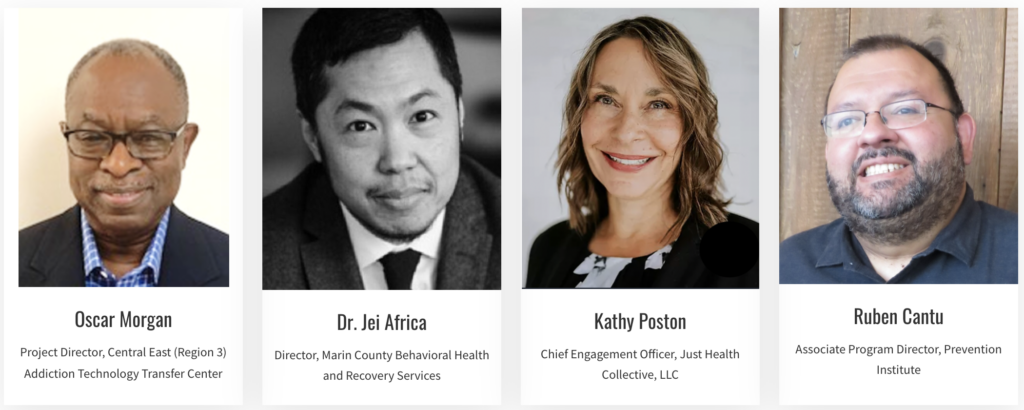
Oscar Morgan, Project Director, Central East Addiction Technology Transfer Center

Oscar Morgan is the interim director of the Danya Institute where he is responsible for the management, growth, and development of the Institute and has primary responsibilities for supervision of the Institute’s personnel. He is also the Project Director of the Central East MHTTC where is responsible for the programmatic and administrative coordination of all training and technical assistance (T/TA).

His background includes serving as the Mental Health Commissioner for the State of Maryland, where he expanded the workforce from a static capacity of 200 providers to more than 3,000, and established a self-governed, peer support organization throughout the state. He brings more than 35 years of experience in the mental health and substance use service fields, with expertise in providing evidence-based and culturally and linguistically competent services, trauma-informed programs, mental health and substance use organizational systems, and program integration.

He was an author of The National Action Plan on Behavioral Health Workforce commissioned by SAMHSA and has written articles on health equity and provided T/TA on emerging policies and trends affecting the care and treatment of individuals with mental illness for providers and stakeholders in the 50 states and territories.

He holds a B.A. from the University of Colorado, Boulder and a Masters of Health Service Administration from George Washington University. Mr. Morgan also has a Certificate of Public Health Leadership from the University of California, Berkeley.

Dr. Jei Africa, Director, Marin County Behavioral Health and Recovery Services

Dr. Jei Africa, PsyD, MSCP, CATC-V, Director of Behavioral Health and Recovery Services (BHRS) at the County of Marin, is an innovative thought-leader and clinician who is passionate about integrating effective culturally responsive practices into the core functioning of County health services. Dr. Africa has over 2 decades experience in the areas of behavioral health, trauma, health equity and diversity. He maintains also consulting and private psychotherapy practice in the Bay Area.

For over a decade, Dr. Africa served as the Director of the Office of Diversity and Equity with the San Mateo County Health System where he led agency-wide efforts addressing health equity that received State recognition. He spearheaded the development of the first-ever multi-disciplinary behavioral health LGBTQ+ community center, led the health system’s change efforts to enable the collection of SOGI data for all patients, and was instrumental in the opening of a transgender health clinic. Prior positions include: Clinical Director at Community Overcoming Relationship Abuse and Manager of Youth Treatment Services at Asian American Recovery Services.

In addition to his professional work, Dr. Africa was appointed to serve as a founding member of the San Mateo County LGBTQ Commission (2014-2017), and currently volunteers with Alliance for Community Empowerment (ALLICE), an all-Filipino organization offering free education on healthy relationships (2007-present). He currently serves as an adjunct faculty member at the USC Sol Price School of Public Policy and at the Mabuhay Health Clinic, a free student-run clinic affiliated with the University of California-San Francisco (UCSF). He was a member of the National Partnership for Action to End Health Disparities Regional Health Equity Council (RHEC) IX, previously served as a Senior Research faculty member at the California School of Professional Psychology at Alliant International University and a fellow with the California Health Care Foundation (CHCF) Leadership Institute.

Jei Africa holds a Post-doctoral M.S. degree in Clinical Psychopharmacology, a Psy.D. in Clinical Psychology, and an M.A. degree in Clinical Psychology from Alliant International University/California School of Professional Psychology. Dr. Africa received an undergraduate degree from the University of the Philippines in Behavioral Science.

Kathy Poston, Chief Engagement Officer, Just Health Collective

With a career spanning more than 25 years in healthcare, Ms. Poston has extensive management consulting experience leading engagements and managing client relationships.

Ms. Poston partners with executive and senior leaders to advance their health equity and belonging initiatives by providing management consulting and delivery services as well as concentrating on sales and business development.

In addition to a more recent focus on health equity and belonging, Ms. Poston has deep financial and operational experience with matrixed healthcare systems, specifically focused on physician enterprises. Areas of expertise include large scale physician enterprise assessments, management and operational redesigns, patient access and clinical workflow improvements and physician compensation plan redesigns.

Ms. Poston serves as a thought leader around women’s leadership inclusion and advancement issues.  She also serves as an ally in the advancement of people of color, having served as a member of several business resource communities in support of a diverse and inclusive workforce.

Prior to joining Just Health Collective, Ms. Poston was a Managing Consulting at Berkeley Research Group and previously held roles at Optum Advisory Services, a UnitedHealth Group company, legacy Advisory Board Company. Ms. Poston’s educational background includes a Bachelor of Science in accounting from the University of Central Oklahoma in Edmond, Oklahoma.

Ruben Cantu, Associate Program Director, Prevention Institute

Ruben Cantu is an Associate Program Director on Prevention Institute’s Safety and Wellbeing Team. He has more than 20 years of nonprofit experience in public health and mental health and wellbeing through an equity and racial justice lens. At PI, he leads initiatives to address and prevent community trauma through application of PI’s Adverse Community Experiences and Resilience framework. He also works on strategies to improve mental health and wellbeing through a focus on community conditions. This recently included managing the Making Connections for Mental Health and Wellbeing Among Men and Boys initiative, a national community of practice comprising 13 sites across the U.S. implementing upstream, community prevention strategies to build resilience among men and boys of color and military service members, veterans, and their families. He is the primary author of California’s strategic plan for reducing mental health disparities and serves on several state advisory committees.

A Year Ahead in Behavioral Health Policy

February 24, 2022 by Holly Salazar

Hosted in partnership with the National Association of County Behavioral Health and Developmental Disability Directors (NACBHDD).

Description:

One year into a new administration. Two years into a behavioral health pandemic within a lingering COVID pandemic.  Three opportunities to address the needs of our communities.

A dialogue to look a year ahead in behavioral health policy for three issues being addressed by communities throughout the country:

  • Implementation of 988 and crisis system transformations
  • Supporting workforce mental health and addressing burnout
  • Addressing mental health needs of children and youth

Pre-reading:  We Must Confront Difficult Policy Questions in the New Year

Panelists

Jonah C. Cunningham

Jonah C. Cunningham currently serves as President and CEO of the National Association of County Behavioral Health and Developmental Disability Directors (NACBHDD).  In this role he proactively advocates for national policies that recognize and support the critical role counties play in caring for people affected by mental illness, addiction, and developmental disabilities.  In this capacity he also serves as Executive Director of the National Association for Rural Mental Health. 

Prior to joining NACBHDD, Jonah worked at Trust for America’s Health, a public health think tank, where he focused extensively on ways to reduce mortality from substance misuse and suicide.  Additionally, he worked as a congressional staffer for several years in the office of Congresswoman Grace F. Napolitano (CA) where he helped to reestablish the Congressional Mental Health Caucus and created a Suicide Prevention Task Force within the Caucus. 

Jonah C. Cunningham has received numerous awards and recognition for his commitment to the field of behavioral health and those served by the nation’s behavioral health system. Jonah has a Bachelor of Science in Political Science from the University of Utah and a Master of Public Policy from The George Washington University.  In his free time, he enjoys learning how to cook and is an avid Jiu-Jitsu practitioner.

Dr. Ron Manderscheid

Ron Manderscheid, Ph.D., has a life-long commitment to social-justice, particularly racial, gender, and health equity. This is reflected through a career that spans national work with the Congress and Administration, federal agencies, NGOs, and university teaching.

He serves currently as Adjunct Professor at the Bloomberg School of Public Health, Johns Hopkins University, and the Suzanne Dworak-Peck School of Social Work, University of Southern California. Until recently, he was President/CEO, National Association of County Behavioral Health and Developmental Disability Directors and National Association for Rural Mental Health. Both organizations represent county and local authorities in the DC community.

Concurrently, Dr. Manderscheid serves on the boards of the American Academy of Social Work and Social Welfare, the National Grand Challenge for Social Work Initiative, the Danya Institute, and the NASMHPD Research Institute. He also served until recently as the Co-Chair of the National Coalition for Whole Health.

Past appointments include Director of Mental Health and Substance Use Programs at the Global Health Sector of SRA International and several federal leadership roles at the National Institute of Mental Health, the Substance Abuse and Mental Health Services Administration, and the Office of the Assistant Secretary for Health, U.S. Department of HHS. Throughout his career, he has emphasized and promoted the concerns of peers with behavioral health conditions and their family members.   

Dr. Manderscheid was a Member of the HHS Secretary’s Advisory Committee on Healthy People 2020; the Clinton Healthcare Reform Task Force; President of the Federal Executive Institute Alumni Association (FEIAA) and Foundation; Chair of the APHA Mental Health Section and Governing Council, and a member of the post-9/11 Work Group; Chairperson of the Sociological Practice Section of the American Sociological Association; President of the Washington Academy of Sciences and the District of Columbia Sociological Society; and President of  The College for Behavioral Health Leadership.

He edited eight editions of Mental Health, United States, co-edited Outcome Measurement in the Human Services, and contributed to Public Mental Health, First and Second Editions. He also published more than 500 papers on services to persons with mental illness and substance use conditions. He serves on several editorial boards and prepares a periodic blog for Behavioral Healthcare Executive (www.behavioral.net).

Marcellina Melvin

Marcy Melvin joined Meadows Mental Health Policy Institute in April 2018. She is a Licensed Professional Counselor in Texas with over 18 years of experience developing and implementing mental health programs, systems, and procedures in primary, secondary, and post-secondary educational settings. She is a child, adolescent, and family-trained. Ms. Melvin has over 25 years of experience in providing direct clinical and supervisory services to children, adolescents, parents, and young adults in various clinical settings: residential, in-home, outpatient, private practice, primary, secondary, and post-secondary locations.

While at Meadows Institute, Marcy led the American Red Cross Texas CARES grant and supported the Texas CARES-Training grant. These grants helped to support the mental and behavioral health needs of teachers, students, and their families along the Gulf Coast that were impacted by Hurricane Harvey. She assisted in leading a comprehensive environmental scan of the child welfare services in Harris County. She assisted in the financial analysis of the Harris County Juvenile Probation Department MST program. In addition to these projects, Ms. Melvin helped develop a Mental Health Strategic Framework for Region 4 ESC. She also co-led the Rebuild Texas Dickinson Independent School District project. She was instrumental in developing and delivering curriculum for early childhood teachers, local early childcare center/daycare center staff, and parents in Dickinson ISD. The trainings were intended to improve the social-emotional health of young children. Marcy has taken the lead on creating Meadow’s Institutes strategic framework that incorporates health equity into policy work, and she supports the implementation of these strategies across the organization.

Ms. Melvin has a Bachelor of Science in Psychology from Xavier University of Louisiana and a Master of Arts in Clinical Psychology from Fisk University.

Tony Muñoz-Hilliard

Tony Muñoz-Hilliard is a New York Certified Peer Specialist (NYCPS) and National Certified Peer Specialist (NCPS) who firmly believes in the power of lived experience. Tony uses the challenges he has navigated in his own life to inspire hope in others and illustrate that recovery and whole-health wellness are indeed possible, despite mental illness, substance use and/or difficult life circumstances.

Tony has lived experience with major depressive disorder and substance use, and uses his training in Intentional Peer support (IPS) and the Need-Adapted Treatment Model (NATM) to support and provide trauma-informed care to peers. Tony also works on a mobile treatment team in New York City and is a peer advisor for the Public Psychiatry Fellowship of New York State Psychiatric Institute at Columbia University Medical Center. He has presented nationally and internationally on topics such as peers on interdisciplinary teams, peer workforce, trauma and social determinants of health.

Tony is currently a student at SUNY Empire State College, where he is pursuing a bachelor’s degree in psychology, and is a trained video producer with Manhattan Neighborhood Network, which allows him to incorporate the arts in his recovery process.

Dr. Marvin Southard

Dr. Marvin (Marv) Southard is the former Director of the largest county-run mental health services organization in the United States, the Los Angeles County Department of Mental Health (LACDMH), with a budget approaching $3 billion, serving more than a quarter of a million persons annually that supports innovative co-located services within schools, courts, other County departments, and various community organizations.

In this role at LACDMH, Marv assembled a ground-breaking team that accomplished creative and inclusive work with communities including regional mental health urgent care centers, crisis response teams, children and older adult systems of care, Health Neighborhoods, and partnerships with faith communities to further social justice.

Marv has focused his career on empowering healthy urban and rural communities to strengthen recovery from mental health and substance use challenges. He served for a decade as a leader of community behavioral health services in East Los Angeles. Marv also founded substance abuse treatment centers and served as a clinical director and leader of numerous organizations, as well as acting in another county government leadership role as the Kern County Director of Mental Health. 

On leaving government service, Marv continued to serve communities, mental health organizations, and governmental entities as a consultant and Professor of Practice at the University of Southern California (USC), where he developed the Professional DSW degree program, mentoring the next generation of community service leaders.

Hannah Wesolowski

Hannah Wesolowski is Chief Advocacy Officer for the National Alliance on Mental Illness (NAMI). Hannah and the entire Government Relations, Policy & Advocacy team work with advocates, partners and NAMI leaders to enact policy change that will improve the lives of all people affected by mental health conditions. She believes in the power of advocates sharing their stories to advance research, increase mental health funding, improve access to care, expand social supports and decriminalize mental illness.

She came to NAMI in 2017 with more than a decade of experience in advocacy, joining the NAMI team after five years at the Public Affairs Council to help associations, corporations and nonprofit advocacy groups build government affairs efforts programs. She previously led political advocacy efforts at the American Speech-Language-Hearing Association and the American Institute of Architects.

Hannah grew up in New Hampshire and has a B.A. from New York University, where she also earned an MPA from NYU’s Robert F. Wagner Graduate School of Public Service.

Core Competencies in Peer Crisis Support: Values, Practices and Skills

January 14, 2022 by Holly Salazar

Access the slide deck here.

Offered in partnership with the New York Association for Psychiatric Rehabilitation (NYAPRS) and Humannovations.

Lived experience of crisis and peer support can be incredibly valuable when people are experiencing ‘crisis-level’ emotions such as suicidal intensity. Dispensing with stigmatizing and dehumanizing language related to these experiences is a crucial first step, altering clinical and law enforcement practices that feel more like punishment than care is also crucial. Peer specialists and peer empowerment values need to be effectively integrated as supports in intense situations as well. But structural resistance, risk aversion and stigma have prevented anything like widespread involvement of people with lived experience in crisis or suicide prevention programming.

Given that the peer empowerment model developed in reaction, at least to some degree, to coercion and dehumanizing  experiences associate with interventions when people were at their worst moments, how can the value of shared experience and peer support work in a new system of crisis care, such as envisioned through the 988 transformation?

The key to successful integration of “peer crisis support” is a set of core practices and skills that provide people with lived experience with distinctive competencies for supporting peers in these moments and settings, and the opportunity and confidence to employ them. Ie the practical transformation of lived experience into lived expertise for crisis support.

In this session we will present a comprehensive approach to bridging peer support values and practices to support in crisis services and settings, including core skills for encountering threat of violence and suicidal intensity. The presenters will outline the details of one model of advanced ‘peer crisis support’ training (Growing Through) and provide discussion on the integration of these practices from the point of view of both public mental health and suicide prevention fields.

Participants will learn:

  • An approach to bridging peer support values and practices for ‘encountering intensity’ with peers.
  • Trauma-informed reframes of clinical terminology for humanizing the experience of crisis and struggles
  • A set of peer crisis support core competencies, including support for suicidal intensity

Speaker Information

Eduardo Vega is an internationally recognized thought leader in recovery-oriented programs and policy, consumer/patient rights, stigma reduction, and suicide prevention, whose work continues to drive the forefront of change for public health and mental health worldwide. He is founder and CEO of Humannovations, a consulting and training firm providing innovative solutions for mental health and suicide prevention internationally, fueled by social justice and the “lived experience” of people who have been there. Clients of Humannovations include the World Health Organization, Asana, the White House Office of Science & Technology, the US National Suicide Prevention Lifeline, the Movember Foundation, Suicide Prevention Australia, the International Bipolar Foundation, the US Substance Abuse and Mental Health Services Administration (SAMHSA), Facebook and more.

A former Fulbright Specialist and California State Commissioner for Mental Health Services, Vega has led and served on multiple health policy bodies and as an invited expert to the Office of the White House of President Obama. He has presented and consulted on technical issues in behavioral health with stakeholder and consumer groups, private industry and government in the US, Japan, Australia, New Zealand, Canada, Europe, Fiji and Latin America. He serves on the the Steering Committee of the National Suicide Prevention Lifeline, and the US National Action Alliance for Suicide Prevention.

For his transformative leadership Vega has been recognized by the United States Senate and the United States Surgeon General, the State of California, the nation of Fij. He holds an M.A. in Psychology from New School for Social Research.

Intensity, Lived Experience, and Crisis: Activating Peer Support for a Transformed Mental Health Crisis Response System

December 28, 2021 by Holly Salazar

Access the slide deck here.

Offered in partnership with the New York Association for Psychiatric Rehabilitation (NYAPRS) and Humannovations.

While much progress has been made to develop a modern array of ‘crisis services’ including mobile crisis units, hospital diversion programs and ‘crisis call centers’ through and the National Suicide Prevention Lifeline Network, the integration of people with lived experience of suicide and crisis as peer support providers, though, has been slow to advance.

Peer support can and should play an active role at many points in the transformation of crisis response systems, including those driven by the national 988 line initiative. This presentation will address several questions:

  • Where and how these get integrated is the key question.
  • How can ‘crisis’ services connect with the empowerment foundations of peer support?
  • How does peer support look and feel different at times of intensity?
  • How can lived experience be meaningfully connected with when things like self-harm and suicide are present?

The presenter covers the array of these issues, while presenting key concepts for program and policy change, grounded in the values of dignity and recovery, to humanize the issues in the practical work of ‘peer crisis support.’

Speaker Information

Eduardo Vega is an internationally recognized thought leader in recovery-oriented programs and policy, consumer/patient rights, stigma reduction, and suicide prevention, whose work continues to drive the forefront of change for public health and mental health worldwide. He is founder and CEO of Humannovations, a consulting and training firm providing innovative solutions for mental health and suicide prevention internationally, fueled by social justice and the “lived experience” of people who have been there. Clients of Humannovations include the World Health Organization, Asana, the White House Office of Science & Technology, the US National Suicide Prevention Lifeline, the Movember Foundation, Suicide Prevention Australia, the International Bipolar Foundation, the US Substance Abuse and Mental Health Services Administration (SAMHSA), Facebook and more.

A former Fulbright Specialist and California State Commissioner for Mental Health Services, Vega has led and served on multiple health policy bodies and as an invited expert to the Office of the White House of President Obama. He has presented and consulted on technical issues in behavioral health with stakeholder and consumer groups, private industry and government in the US, Japan, Australia, New Zealand, Canada, Europe, Fiji and Latin America. He serves on the the Steering Committee of the National Suicide Prevention Lifeline, and the US National Action Alliance for Suicide Prevention.

For his transformative leadership Vega has been recognized by the United States Senate and the United States Surgeon General, the State of California, the nation of Fij. He holds an M.A. in Psychology from New School for Social Research.

Follow-Up Discussion | Crisis Response: Peer Leadership to Develop Community Solutions

July 27, 2021 by Holly Salazar

Discussion Description: Mental health and substance use disorder crisis response and prevention are critical elements to helping people stabilize and enter a path to recovery and wellbeing.  There are proven opportunities to improve outcomes in crisis settings via the use of peers, including reduced trauma, increased trust, and reductions in recidivism.   

On Wednesday June 30, panelists shared best practice examples of peer-led crisis response and prevention via an excellent webinar, found here: Crisis Response – Peer Leadership to Develop Community Solutions. Participants asked for a follow up discussion to dive deeper into your questions, including topics related to financing, bringing models to scale, training and more! Join us for a 60-minute dialogue to address these important topics by registering below.

Resources:

  • Links to Presenter Organizations:
    • Baltic Street AEH Inc.
    • People USA
    • RI International
    • New York Association for Psychiatric Rehabilitation Services (NYAPRS)
  • Links from Chat:
    • Consumer-Operated Services Evidence-Based Practices (EBP) KIT
    • Can We Measure Recovery? A Compendium of Recovery and Recovery-Related Instruments
    • Measuring the Promise: A Compendium of Recovery Measures Volume II
    • The Effectiveness of a Peer-Staffed Crisis Respite Program as an Alternative to Hospitalization
    • Right of everyone to the enjoyment of the highest attainable standard of physical and mental health

Speaker Information:

Mark Clarke is known to have  excellent problem solving skills and even greater interpersonal skills – drive to innovate is second nature. He has a love for technology that he is more than happy to leverage to the betterment of any projects he is assigned. Mark started working as a Peer Bridger in 2018 for Baltic and through hard work and an environment of growth provided by Baltic, he is the Project Manager for the Adult Home Initiative. Within the Adult Home Initiative, Mark has worked closely with his team to ensure that those involve in the Class Action Settlement of O’Toole vs Cuomo (NY state) have the opportunity to transition from their current Adult Home living, into the community of their choice. It has been Mark’s great pleasure to be able to work with such a dynamic team to implement policies and processes that will affect the lives of those who are disenfranchised, within the Adult Home or Assisted Living system. Mark has completed course work in the field of International Business Management out of Charles Sturt University in Sydney Australia in 2008-2010. That experience of the world and sharpening of his business acumen, has guided Mark’s work ethics. Mark is honored with the role he plays within Baltic Street and looks forward to growing with the organization as they seek to do the important work of community-based Peer services. Quote : “If one is lucky, a solitary fantasy can totally transform one million realities.” – Maya Angelou

Taina Laing, MSW, NYCPS has been employed at Baltic Street AEH, Inc. since 2002 and has been appointed as the new CEO as of September 2020. Recently, Taina has graduated from Stony Brook University with her MSW and is looking forward in pursuing her PhD in Mental Health. Taina sits on the NYAPRS Board of Directors and is currently the New York City Regional Coordinator for New York City, Peer Certification Board, and the MHA National Certified Peer Specialist. She brings over 19 years of peer supervision, advocacy, and vocational services to those with lived experience. Taina has a passion for service and advocacy that addresses equality and service disparities in low socioeconomic communities. She believes in the power of peer specialists and the integration of peers in all areas of recovery and support. “Peer Specialist supports are an integral part of all social determinants of health! We cannot allow for social or health policies to be written without the inclusion of the peer perspective and insight.”

Steve Miccio is Chief Executive Officer of People USA. Inspired and driven by his personal lived experience, Steve has spent over two decades creating, providing, and promoting innovative crisis response services and systems-level improvements – across the United States and internationally – that raise the bar on customer service, person-centered communication, trauma-informed care, empathy, and positive expectations for people’s recovery & wellness outcomes. Steve’s unique models and approaches significantly reduce hospital utilization, incarceration rates, and overall healthcare spending. Steve’s professional highlights since joining People USA in 1999 include the following:

  • First in the United States to embed peers in a hospital psych. ER, blazing the way for a best and evidence-based practice standard today.
  • Created the Rose House model of peer-operated crisis respites / home-like alternatives to hospital psych. ERs & inpatient units; first peer-run hospital diversion houses in New York.
  • Helped open 39 peer-operated crisis respites using the Rose House model across the United States and Europe.
  • Developed OMH White Paper, “Infusing Recovery-Based Principles into Mental Health Services” with input from over 40,000 New Yorkers.
  • Created the Dutchess County Stabilization Center; first peer-run crisis stabilization center in the world; first crisis stabilization center in the Northeastern United States.
  • Created the Transitional Care Wellness Team model, a unique hybrid of transitional care management and wellness coaching.
  • Created the Westchester Forensic Mobile Crisis & Response Team; first peer-run criminal justice-focused mobile team in the United States.
  • Engaged in community-wide systems transformation – across sectors – in multiple counties throughout New York’s Hudson Valley region.
  • Developed unique training programs – for hospitals, local government units, and behavioral health organizations across the U.S. – to help them build tomorrow’s behavioral health workforce and culture.
  • Organized and provided Crisis Intervention Team (CIT) trainings to hundreds of law enforcement throughout New York.

Steve is active with the following groups: Chair of the National Psychiatric Rehabilitation Association (PRA); Board member of CIT International; Subject matter expert for the Re-entry Policy Academy headed by the SAMHSA GAINS Center and Policy Research Associates; Member of the International Crisis Now coalition; Member of the Crisis Residential Association; Member of New York State Suicide Prevention Council; Board member of 2-1-1 policy board of Hudson Valley; Executive member of the Dutchess County Criminal Justice Council (DCCJC); Chair of the Diversion Committee (DCCJC); Member of the Dutchess County Police Reform and Modernization Collaborative; Advisory Board member of the Northeast Caribbean Mental Health Technology Transfer Center.

Steve lives in the Village of New Paltz, one of NY’s most vibrant college towns; he is originally from Fishkill, NY. He enjoys drumming, fishing, gardening, hiking, rocket building, and – most importantly – spending time with his family, including his two amazing daughters, and his partner Renee.

Lisa St George, MSW, CPRP, CPRSS brings over 40 years of experience in the health and human services industry. She is a seasoned executive leader and currently serves as the Vice President of Peer Support and Empowerment at RI International. Her work with RI has spanned 20 years, during which time she has provided executive leadership and program development of RI International’s peer support workforce and programs in Arizona, California, and New Zealand. She is a principle author of RI International’s Peer Employment Training which, as of February 2021, has trained 14,560 peer support workers nationally and internationally. In addition, she has written over 100 training tools, articles, publications, and presentations that have focused on peer support, recovery, inpatient psychiatry, and crisis services. Ms. St George has been recognized by her peers and has received the Mental Health Director’s Program of the Year (San Diego) and California Health Hero (Mental Health Association of CA) as well as the Elton George Armstrong Award. Recent publications include, The Emerging Field of Peer Support within Mental Health Services, within the Book Workforce Development Theory and Practice in the Mental Health Sector, (2017) IGI Publications, and Self-Advocacy and Empowerment, within the Handbook of Recovery in Inpatient Psychiatry (2016), and United States Psychiatric Rehabilitation Association, Workbook for Certification (2003). Ms St George also serves as a peer reviewer for several professional journals and believes in supporting the growth of knowledge in the field. Ms. St George served as Faculty Associate at Arizona State University and provided the Master’s Level Social Work Course, Mental Illness, Recovery and Social Justice. She has supported the mental health community in Phoenix, AZ by serving as Vice Chair of the Maricopa Human Rights Committee and as a member of the Arizona Behavioral Health Planning Counsel. Ms St George completed both her Bachelor of Social Work and her Masters of Social Work at Arizona State University. She was a board member of International Association of Peer Supporters for fifteen years and sat as Board Chair for three years. As an Advisory Board Member of Open Minds, Lisa supports organizations and systems in the development of peer support and recovery services as well as training and consultation in a variety of areas. Ms St George, worked in childhood oncology and child protective services, where she researched and developed a care protocol for crack addicted infants for the State of Arizona Child Protective Services before joining RI International. Lisa also serves vulnerable communities and especially refugees within her community through education, support, and guidance. Ms St George believes in the resiliency of the human spirit, and in the inherent strength of people with trauma, mental health, and addiction challenges.

Harvey Rosenthal serves as the CEO of the New York Association of Psychiatric Rehabilitation Services (NYAPRS), a peer-provider partnership that has been a leading state and national change agent over the past 25 years.  Harvey has over 44 years of experience working to promote public mental health policies and practices that advance the recovery, rehabilitation, rights, dignity and full community inclusion of individuals with mental health and/or trauma related challenges.  Harvey has helped to create several nationally acclaimed and replicated peer support and transformational training innovations.  He has also worked to fight stigma, discrimination, and human rights violations and to advance informed choice protections, self-directed care and cultural competence. Harvey is a recipient of CBHL’s Timothy J. Coakley Award for Behavioral Health Leadership. His interest in his work is personal, beginning with a psychiatric hospitalization at age 19.

Crisis Response: Peer Leadership to Develop Community Solutions

June 30, 2021 by Holly Salazar

Description:

Mental health and substance use disorder crisis response and prevention are critical elements to helping people stabilize and enter a path to recovery and wellbeing.  There are proven opportunities to improve outcomes in crisis settings via the use of peers, including reduced trauma, increased trust, and reductions in recidivism.  In this webinar, panelists will share best practice examples of peer-led crisis response and prevention. Panelists will also discuss opportunities to engage and promote peers into leadership positions to develop community solutions to community behavioral health challenges.  

Resources:

  • Presentation Slides
  • Links to Presenter Organizations:
    • New York Association for Psychiatric Rehabilitation Services (NYAPRS)
    • People USA
    • Baltic Street AEH Inc.
    • RI International

Speaker Information:

Harvey Rosenthal serves as the CEO of the New York Association of Psychiatric Rehabilitation Services (NYAPRS), a peer-provider partnership that has been a leading state and national change agent over the past 25 years.  Harvey has over 44 years of experience working to promote public mental health policies and practices that advance the recovery, rehabilitation, rights, dignity and full community inclusion of individuals with mental health and/or trauma related challenges.  Harvey has helped to create several nationally acclaimed and replicated peer support and transformational training innovations.  He has also worked to fight stigma, discrimination, and human rights violations and to advance informed choice protections, self-directed care and cultural competence. Harvey is a recipient of CBHL’s Timothy J. Coakley Award for Behavioral Health Leadership. His interest in his work is personal, beginning with a psychiatric hospitalization at age 19.

Lisa St George, MSW, CPRP, CPRSS brings over 40 years of experience in the health and human services industry. She is a seasoned executive leader and currently serves as the Vice President of Peer Support and Empowerment at RI International. Her work with RI has spanned 20 years, during which time she has provided executive leadership and program development of RI International’s peer support workforce and programs in Arizona, California, and New Zealand. She is a principle author of RI International’s Peer Employment Training which, as of February 2021, has trained 14,560 peer support workers nationally and internationally. In addition, she has written over 100 training tools, articles, publications, and presentations that have focused on peer support, recovery, inpatient psychiatry, and crisis services. Ms. St George has been recognized by her peers and has received the Mental Health Director’s Program of the Year (San Diego) and California Health Hero (Mental Health Association of CA) as well as the Elton George Armstrong Award. Recent publications include, The Emerging Field of Peer Support within Mental Health Services, within the Book Workforce Development Theory and Practice in the Mental Health Sector, (2017) IGI Publications, and Self-Advocacy and Empowerment, within the Handbook of Recovery in Inpatient Psychiatry (2016), and United States Psychiatric Rehabilitation Association, Workbook for Certification (2003). Ms St George also serves as a peer reviewer for several professional journals and believes in supporting the growth of knowledge in the field. Ms. St George served as Faculty Associate at Arizona State University and provided the Master’s Level Social Work Course, Mental Illness, Recovery and Social Justice. She has supported the mental health community in Phoenix, AZ by serving as Vice Chair of the Maricopa Human Rights Committee and as a member of the Arizona Behavioral Health Planning Counsel. Ms St George completed both her Bachelor of Social Work and her Masters of Social Work at Arizona State University. She was a board member of International Association of Peer Supporters for fifteen years and sat as Board Chair for three years. As an Advisory Board Member of Open Minds, Lisa supports organizations and systems in the development of peer support and recovery services as well as training and consultation in a variety of areas. Ms St George, worked in childhood oncology and child protective services, where she researched and developed a care protocol for crack addicted infants for the State of Arizona Child Protective Services before joining RI International. Lisa also serves vulnerable communities and especially refugees within her community through education, support, and guidance. Ms St George believes in the resiliency of the human spirit, and in the inherent strength of people with trauma, mental health, and addiction challenges.

Mark Clarke is known to have  excellent problem solving skills and even greater interpersonal skills – drive to innovate is second nature. He has a love for technology that he is more than happy to leverage to the betterment of any projects he is assigned. Mark started working as a Peer Bridger in 2018 for Baltic and through hard work and an environment of growth provided by Baltic, he is the Project Manager for the Adult Home Initiative.

Within the Adult Home Initiative, Mark has worked closely with his team to ensure that those involve in the Class Action Settlement of O’Toole vs Cuomo (NY state) have the opportunity to transition from their current Adult Home living, into the community of their choice. It has been Mark’s great pleasure to be able to work with such a dynamic team to implement policies and processes that will affect the lives of those who are disenfranchised, within the Adult Home or Assisted Living system.

Mark has completed course work in the field of International Business Management out of Charles Sturt University in Sydney Australia in 2008-2010. That experience of the world and sharpening of his business acumen, has guided Mark’s work ethics. Mark is honored with the role he plays within Baltic Street and looks forward to growing with the organization as they seek to do the important work of community-based Peer services.

Quote : “If one is lucky, a solitary fantasy can totally transform one million realities.” – Maya Angelou

Steve Miccio is Chief Executive Officer of People USA. Inspired and driven by his personal lived experience, Steve has spent over two decades creating, providing, and promoting innovative crisis response services and systems-level improvements – across the United States and internationally – that raise the bar on customer service, person-centered communication, trauma-informed care, empathy, and positive expectations for people’s recovery & wellness outcomes. Steve’s unique models and approaches significantly reduce hospital utilization, incarceration rates, and overall healthcare spending. Steve’s professional highlights since joining People USA in 1999 include the following:

  • First in the United States to embed peers in a hospital psych. ER, blazing the way for a best and evidence-based practice standard today.
  • Created the Rose House model of peer-operated crisis respites / home-like alternatives to hospital psych. ERs & inpatient units; first peer-run hospital diversion houses in New York.
  • Helped open 39 peer-operated crisis respites using the Rose House model across the United States and Europe.
  • Developed OMH White Paper, “Infusing Recovery-Based Principles into Mental Health Services” with input from over 40,000 New Yorkers.
  • Created the Dutchess County Stabilization Center; first peer-run crisis stabilization center in the world; first crisis stabilization center in the Northeastern United States.
  • Created the Transitional Care Wellness Team model, a unique hybrid of transitional care management and wellness coaching.
  • Created the Westchester Forensic Mobile Crisis & Response Team; first peer-run criminal justice-focused mobile team in the United States.
  • Engaged in community-wide systems transformation – across sectors – in multiple counties throughout New York’s Hudson Valley region.
  • Developed unique training programs – for hospitals, local government units, and behavioral health organizations across the U.S. – to help them build tomorrow’s behavioral health workforce and culture.
  • Organized and provided Crisis Intervention Team (CIT) trainings to hundreds of law enforcement throughout New York.

Steve is active with the following groups: Chair of the National Psychiatric Rehabilitation Association (PRA); Board member of CIT International; Subject matter expert for the Re-entry Policy Academy headed by the SAMHSA GAINS Center and Policy Research Associates; Member of the International Crisis Now coalition; Member of the Crisis Residential Association; Member of New York State Suicide Prevention Council; Board member of 2-1-1 policy board of Hudson Valley; Executive member of the Dutchess County Criminal Justice Council (DCCJC); Chair of the Diversion Committee (DCCJC); Member of the Dutchess County Police Reform and Modernization Collaborative; Advisory Board member of the Northeast Caribbean Mental Health Technology Transfer Center.

Steve lives in the Village of New Paltz, one of NY’s most vibrant college towns; he is originally from Fishkill, NY. He enjoys drumming, fishing, gardening, hiking, rocket building, and – most importantly – spending time with his family, including his two amazing daughters, and his partner Renee.

Inching Our Way Towards Value-Based Purchasing

May 11, 2021 by Holly Salazar

Offered in partnership with Health Management Associates (HMA).

Description

In this podcast style conversation, three behavioral health professionals will discuss emerging trends in value-based purchasing, specific VBP readiness milestones, and the strategies leaders can use to form fruitful relationships with payers and collaboratively invest in value. Neftali Serrano, PsyD, Chief Executive Officer of the Collaborative Family Healthcare Association will moderate a conversation with Suzanne Daub, LCSW, a principal consultant with Health Management Associates and Lori Fertall, MBA, Director of Value-Based Programs at Community Care Behavioral Health, a non-profit behavioral health managed care organization.

Resources:

  • Presentation Slides
  • Links:
    • Collaborative Family Healthcare Association – What is Integrated Care?
    • Health Management Associates – VBP Readiness Assessment Tool

Speaker Information

Suzanne Daub, LCSW, Principal Consultant – Health Management Associates (HMA)

Suzanne Daub is a leading expert and nationally recognized trainer in integrated healthcare who knows how to help clients design, scale and evaluate behavioral integration into primary care and wellness culture. She is an energetic coach who believes building quality integrated systems of care means committing deeply to the people who deliver the work and empowering service users. Suzanne is best known for her creative leadership, which inspires those who serve vulnerable populations to embrace responsibility for transforming the way healthcare is delivered. She is passionate about a “no wrong door” approach to integrated care and works across systems to ensure that individuals and families get whole-person, recovery-oriented services regardless of where they seek help.

Suzanne has more than 30 years of experience in direct patient care, program administration and managed care. For 18 years, she served as director of behavioral health at a multisite Federally Qualified Health Center (FQHC) in Philadelphia where she integrated care using the Behavioral Health Consultation (BHC) model. Suzanne co-founded the largest network of primary care behavioral health providers in the country and was recognized by the Pennsylvania Association of Community Health Centers with the Innovations Award.

As the extreme health disparities among people with serious mental illness came to light, Suzanne brought her integrated care skills to community mental health organizations across the country as a senior integrated care consultant for the National Council for Behavioral Health.

Immediately prior to joining HMA, she was the senior director of Integrated Care Initiatives for UPMC/Community Care Behavioral Health, Pennsylvania’s largest Medicaid Behavioral Health managed care organization. Suzanne led the scaling of behavioral health homes to 65 organizations serving adolescents, adults and individuals receiving opioid treatment.

Suzanne earned a Master of Social Work from Smith College School for Social Work and a postgraduate certification in marriage and family therapy. She has published in the area of integrated care workforce development. Suzanne serves on the Board of Directors for the Collaborative Family Healthcare Association and has an active clinical practice.

Her creativity and passion for bringing all the pieces together extends to her personal life where her work as a mosaic artist has been shown in galleries, and she is on the board of directors of the Philadelphia Society of Mosaic Artists.

Neftali Serrano, PsyD, Chief Executive Officer of the Collaborative Family Healthcare Association

Dr. Serrano is the Chief Executive Officer of the Collaborative Family Healthcare Association, a national not-for-profit organization dedicated to promoting integrated care as the standard of care for all. He has devoted the majority of his career to working with federally qualified health centers (FQHC), starting integrated care programs and consulting with clinics in underserved settings to assist with implementation of primary care behavioral health (PCBH) programs.

Dr. Serrano’s research interests include program development evaluations and outcome studies related to PCBH, particularly in underserved settings. In 2014 Dr. Serrano edited an e-book titled, “The Implementer’s Guide To Primary Care Behavioral Health,” a practice management handbook. One of Dr. Serrano’s most outstanding contributions to the field of psychology has been his passion to teach and train the future PCBH workforce. In 20 years of practice he has trained hundreds of students and professionals in the practice of Behavioral Health Consultation in primary care.

Dr. Serrano is the father of three children, Emma (16), Sophia (14), & Caleb (12) and the husband of Karen an Emergency Medicine physician. 

Lori Fertall, MBA, Director of Value-Based Programs at Community Care Behavioral Health

Lori Fertall is the Director of Value-Based Programs at Community Care Behavioral Health, a non-profit behavioral health managed care organization that is part of the Insurance Services Division of UPMC headquartered in Pittsburgh, Pennsylvania. In this position, she is responsible for the creation, implementation, and evaluation of value-based purchasing arrangements across the enterprise.

Previously, Lori served as Community Care’s Director of Quality Management for 11 years. In that role, she implemented quality management programs and performance improvement projects across the company and its provider networks. Prior to joining Community Care, Lori worked at various health and human service agencies.

Lori earned a Master’s Degree in Business Administration from Point Park University and a Bachelor’s Degree in Social Work and Women’s Studies from West Virginia University. She also earned a Lean Six-Sigma Green Belt from UPMC.

Building Community Leadership, Power, Influence and Partnerships to Improve Health and Well-Being Through a Resident Leadership Academy

April 30, 2021 by Holly Salazar

Description

Resident Leadership Academies (RLAs) are multi-week training programs for residents who want to learn how to improve their local communities. Training sessions focus on topics such as community leadership, social determinants of health, crime prevention and safety, land use and community planning, and healthy food systems. Residents learn skills and best practices to address the issues that most affect their communities, and they work alongside their neighbors to help improve quality of life where they live.  Representatives of Community Health Improvement Partners (CHIP) in partnership with the County of San Diego Health and Human Services Agency (HHSA), and RLA program graduates will share the story about program’s evolution and impacts over the past 11 years in San Diego County.

Resources

  • What is a Resident Leadership Academy?
  • What is Live Well San Diego?
  • Presentation Slides
  • Community Health Improvement Partners – Resident Leadership Academy Website
  • Live Well San Diego – Resident Leadership Academy Website

Speaker Info

Dana Richardson, President & CEO, Community Health Improvement Partners (CHIP)

Dana Richardson is President & CEO at Community Health Improvement Partners (CHIP) – a 25-year, nonprofit organization that works to advance long term, sustainable solutions to priority health needs through collaboration, advocacy and community engagement.   Dana has worked with CHIP for 13 years, and previous Director of Government Affairs and Community Partnerships at Paradise Valley Hospital/Adventist Health. He has worked in community-based public health in San Diego County for 25 years, and has vast experience in community mobilization, hospital community benefit, prevention programming, public health systems change, policy advocacy for substance abuse and obesity prevention, and behavioral health.  Dana oversees the efforts of the San Diego County Suicide Prevention Council, the Independent Living Association (Recovery Housing) programs and is a Co-Founder of the Resident Leadership Academy program – a curriculum-based, public health leadership program, established in 2011.

Alexis Aviña, EdD, MPH, Manager – Live Well San Diego Support Team, County of San Diego Health & Human Services Agency (HHSA) – Office of Strategy and Innovation

With more than 17 years’ experience in public health promotion and disease prevention, Dr. Alexis Aviña found her way into public health after surviving young adult cancer. Her professional experiences have focused on improving access, quality, and equity to health for socioeconomically, ethnically, and geopolitically underserved populations through strategy and evaluation. The populations she is most passionate about serving are people of color, women, disabled — those who are voiceless and at the highest risk of negative outcomes. Dr. Aviña’s public health experiences span non-profit, research, teaching, hospital community and government settings. In her current role as the Live Well San Diego Manager, at the County of San Diego Health and Human Services Agency, Dr. Aviña is at the forefront of a social movement for wellness among 3.4M residents and anchored in local government. Dr. Aviña is also an adjunct professor at San Diego State University School of Public Health researching anti-poverty and inclusive strategies for well-being.

Janice Luna Reynoso, Executive Director, Mundo Gardens 501c3 / Resident Leadership Academy Facilitator 

Janice is a single mother of three artists, Zenona, Semilla, and JenMichel, who are amazing young women and leaders.  Her mother Yolanda Luna, the family’s biggest support system, is to credit for family roots in organizing and social justice. Over time, Janice’s experiences with having authentic and meaningful conversations with her community of Southeast San Diego, National City, and Logan Heights, has led her to a deeper understanding of the role we all play as the residents, artists, leaders, and business owners.  Janice serves as Founder/Executive Director of Mundo Gardens – a community garden and social justice organization that works on solutions to issues that impact the social determinants of health – the conditions under which we work, live, play, pray, and age. Janice is a certified trainer of the Resident Leadership Academy, Member of the County of San Diego’s Behavioral Health Advisory Board, and a graduate of the RISE San Diego Urban Leadership Fellows program.

Andrea Nasser, Administrative Analyst II, Youth Development and Community Support Services – County of San Diego Probation Department / Resident Leadership Academy Facilitator 

Andrea is a social impact-public health advocate passionate about working alongside residents in diverse and culturally rich communities, that have historically been underserved, to achieve health, educational and financial equity. She has over eight years of experience developing and implementing tailored community programs locally in San Diego and abroad.  Currently, she works in Probation’s Youth Development and Community Support Services Supervision Division and manages contracts for community-based services that provide youth with positive opportunities for success to prevent juvenile justice system involvement. As a Resident Leadership Academy graduate and facilitator, she co-led the Creative Arts Youth Resident Leadership Academy for 15 youth from throughout Southeast San Diego.

Protected: Courageous Leadership – Stepping Away from Power and Privilege to Build Community Trust

April 6, 2021 by Holly Salazar

This content is password-protected. To view it, please enter the password below.

Behavioral Health and the New Administration – A Call to Action

January 29, 2021 by Holly Salazar

Download the Leadership Conversation Summary
Download the PPT

Description

A new year.  A new administration. A behavioral health pandemic within a lingering COVID pandemic. Struggling communities. A renewed sense of urgency.

Join us for a dialogue with some of our nation’s behavioral health leaders:

  • Dr. Benjamin F. Miller, Chief Strategy Officer, Well Being Trust
  • Pamela Greenberg, President and CEO, Association for Behavioral Health and Wellness (ABHW)
  • Kana Enomoto, Senior Knowledge Expert – Washington D.C., McKinsey & Company
  • Harvey Rosenthal, CEO, New York Association of Psychiatric Rehabilitation Services (NYAPRS)
  • Dr. Ron Manderscheid (Moderator), President and CEO, National Association of County Behavioral Health and Developmental Disability Directors (NACBHDD)

As a new administration takes their seats and critical positions are appointed, what is fundamentally needed to transform our system? This 90-minute conversation will address the needs of our communities, innovations to improve public health, and priorities we might expect of the new administration.

Resources Shared During Webinar

Panelist Resources

  • Unified Vision for Transforming Mental Health and Substance Use Care 
  • Healing the Nation:  Advancing Mental Health and Addiction Policy
  • Healing the Nation: State Based Solutions for Connecting People to Mental Health Care and  Addiction Recovery Services
  • A Unified Vision for Transforming Mental Health and Substance Use Care   
  • SUPPORTING A NATION IN CRISIS Solutions for Local Leaders to Improve Mental Health and Well-Being During and Post-COVID-19

Resources Shared During Chat

View the Chat Log
  • Bill to be introduced in the Oregon legislature to reduce to barriers to BIPOC mental health providers and increase diversity in the profession
  • AOT Testimony
  • Think Bigger Do Good: Medicaid’s Institutions for Mental Diseases (IMD) Exclusion Rule: A Policy Debate
  • Health Affairs: There Is No “Silver Bullet” For Mental Health: The Problem Of The IMD Exclusion
  • National Shattering Silence Coalition: IMD Position Statement
  • Well Being in the Nation (WIN) Network: WIN Measures
  • Housing Is Mental Health Care: A Call for Medicaid Demonstration Waivers Covering Housing
  • CMS Issues New Roadmap for States to Address the Social Determinants of Health to Improve Outcomes, Lower Costs, Support State Value-Based Care Strategies
  • Think Bigger Do Good Policy Briefs: Housing is Mental Health Care – A Call for Medicaid Demonstration Waivers Covering Housing
  • Providence Health and Services: Providence creates “supportive housing” to help patients live healthier lives
  • Mindful Philanthropy: Informed Giving in Mental Health and Addiction
  • The Center for High Impact Philanthropy: Health in Mind

Panelist Info

Benjamin Miller

Dr. Benjamin F. Miller, PsyD is the Chief Strategy Officer for Well Being Trust, a national foundation committed to advancing the mental, social and spiritual health of the nation. He helps oversee the foundation’s portfolio ensuring alignment across grantees, overall strategy and direction, and connection of the work to advance policy. The end goal is to help advance the national movement around mental health and well-being. Prior to joining Well Being Trust, Dr. Miller spent 8 years as an Associate Professor in the Department of Family Medicine at the University of Colorado School of Medicine where he was the founding Director of Eugene S. Farley, Jr. Health Policy Center. The Farley Center was created in 2014 to be a leader in conducting policy studies, relevant to health and health care challenges, disseminating evidence to those positioned to use it in their decision-making issues related to health policy for the University, and to be a leader locally and nationally on a variety of topic areas. Under Dr. Miller’s leadership, the Farley Health Policy Center worked on four main areas: behavioral health integration, payment reform, workforce, and community-based prevention. He remains a Senior Advisor to the Farley Center. Miller is currently an Adjunct Professor in the Department of Psychiatry and Behavioral Sciences in the Stanford School of Medicine

Dr. Miller has been a principal investigator on several federal grants, foundation grants, and state contracts related to comprehensive primary care and mental health, behavioral health, and substance use integration. He led the Agency for Healthcare Research and Quality’s Academy for Integrating Behavioral and Primary Care project as well as the lead investigator on the Sustaining Healthcare Across Integrated Primary Care Efforts (SHAPE) project. In addition, he was the lead author on the Robert Wood Johnson Foundation Culture of Whole Health report, which provided specific direction to advance mental health nationally.

He received his doctorate in clinical psychology from Spalding University in Louisville, Kentucky. He completed his predoctoral internship at the University of Colorado Health Sciences Center, where he trained in primary care psychology. In addition, Miller worked as a postdoctoral fellow in primary care psychology at the University of Massachusetts Medical School in the Department of Family Medicine and Community Health.

Dr. Miller has written and published extensively on enhancing the evidentiary support for integrated models, increasing the training and education of behavioral health providers in medical settings, and the need to address specific health policy and payment barriers for successful integration. He was the section editor for Health and Policy for Families, Systems and Health and a current member of editorial board for the journal as well as a member of the International Advisory Board of the British Journal of General Practice. Dr. Miller has been a technical expert panelist for CMS on Quality Measure Development for Medicaid Beneficiaries with: Substance Use Disorders; Complex Needs and High Costs; and Physical/Mental Health Integration Needs as well as for the Medicaid Innovation Accelerator Program on integration. Miller is a past President of the Collaborative Family Healthcare Association, a national not-for-profit organization pushing for patient-centered integrated health care, a faculty for the Institute for Healthcare Improvement, and currently a Board Member for Mental Health Colorado. He has received numerous awards for his work on mental health and integration. A highly sought out public speaker, Dr. Miller has presented around the world on the need to better integrate mental health with health care.

Dr. Miller’s research interests include models of integrating mental health and substance use, primary care practice redesign, using practice-based research networks to advance whole person health care, financing health care, and health policy. He has been featured in numerous media outlets including NBC News, USA Today, NPR, PBS News Hour, and many more. Outside of his job, Dr. Miller enjoys playing music, mountain biking, rock climbing, and painting. He and his family live in Denver, Colorado.

Pamela Greenberg

Pamela Greenberg is the President and CEO of the Association for Behavioral Health and Wellness (ABHW). She joined the association in 1998 and since that time has become a nationally recognized leader on managed behavioral health care policy.

ABHW is the leading association working to raise awareness, reduce stigma, and advance federal policy to improve mental health and addiction care. ABHW represents major national and regional health plans who care for more than 200 million people.

Pamela has extensive experience with mental health parity, including testifying before Congress and federal agencies, and Chairing the Coalition for Fairness in Mental Illness Coverage, one of the leading Coalitions that helped develop, advocate for, and get the Wellstone-Domenici Mental Health Parity and Addiction Equity Act of 2008 signed in to law. She also currently serves on the Joint Commission’s Behavioral Health Care Accreditation Advisory Council, URAC’s Health Standards Committee and Parity Advisory Council, and innovaTel Telepsychiatry’s Strategic Advisory Board.

Prior to joining ABHW Pamela was the Deputy Director of Federal Affairs for America’s Health Insurance Plans (AHIP).  Before joining AHIP Ms. Greenberg was a Legislative Assistant at Capitol Associates, a healthcare consulting firm in Washington, D.C.

Pamela has a B.A. from Mount Holyoke College and a Master’s in Public Policy from Georgetown University.

Kana Enomoto

Kana Enomoto is a nationally recognized expert in mental health, substance use, social determinants of health, and trauma.  She is a consultant at McKinsey & Company who specializes in behavioral health, public health, and delivery-system reform. She has more than 20 years of experience as a federal executive in mental health and substance use policy, data, programs, and practice improvement. Kana is an adaptive leader with a strong record of achieving public policy goals, delivering programmatic impact, and inspiring organizational and social change.

Prior to joining McKinsey, Kana Enomoto was Senior Advisor to U.S. Surgeon General VADM Jerome Adams. In this capacity, Ms. Enomoto provided strategic guidance to the Surgeon General’s efforts to combat the opioid epidemic.  Previously, Ms. Enomoto was Acting Administrator for the Substance Abuse and Mental Health Services Administration. Appointed in 2015 by HHS Secretary Sylvia Burwell, Ms. Enomoto provided executive direction and policy leadership for an agency with 600+ employees and a fiscal year budget of over $4 billion.

During the course of her federal career, Ms. Enomoto helped to advance many milestones in the behavioral health field including Facing Addiction in America: The Surgeon General’s Report on Alcohol, Drugs and Health, Mental Health: Culture, Race, and Ethnicity, and Achieving the Promise: Transforming Mental Health Care in America.

Ms. Enomoto has received awards in recognition of her work, including the Arthur S. Flemming Award, the American College of Mental Health Administration King Davis Award, and the Secretary’s Award for Distinguished Service.  Ms. Enomoto earned her bachelor’s degree in psychology and master’s degree in clinical psychology from the University of California, Los Angeles and is a graduate of Harvard University’s Kennedy School of Government, Senior Managers in Government Program.

Harvey Rosenthal

Harvey Rosenthal serves as the CEO of the New York Association of Psychiatric Rehabilitation Services (NYAPRS), a peer-provider partnership that has been a leading state and national change agent over the past 25 years.  

Harvey has over 44 years of experience working to promote public mental health policies and practices that advance the recovery, rehabilitation, rights, dignity and full community inclusion of individuals with mental health and/or trauma related challenges.  

Harvey has helped to create several nationally acclaimed and replicated peer support and transformational training innovations.  He has also worked to fight stigma, discrimination, and human rights violations and to advance informed choice protections, self-directed care and cultural competence. 

Harvey is a recipient of CBHL’s Timothy J. Coakley Award for Behavioral Health Leadership. 

His interest in his work is personal, beginning with a psychiatric hospitalization at age 19.

Ron Manderscheid

Ron Manderscheid, Ph.D., serves as the President and CEO of the National Association of County Behavioral Health and Developmental Disability Directors. The Association represents county and local authorities in Washington, D.C., and provides a national program of technical assistance and support. Concurrently, he is Executive Director of the National Association for Rural Mental Health, Adjunct Professor at the Department of Mental Health, Bloomberg School of Public Health, Johns Hopkins University, and Adjunct Professor, School of Social Work, University of Southern California. Dr. Manderscheid serves on the boards of the Cosmos Club, the Employee Assistance Research Foundation, the Danya Institute, the Council on Quality and Leadership, the NASMHPD Research Institute, and the National Register of Health Service Psychologists. He also serves as the Co-Chair of the Coalition for Whole Health. Previously, he served as the Director of Mental Health and Substance Use Programs at the Global Health Sector of SRA International and in several federal leadership roles at the U.S. Department of Health and Human Services. Throughout his career, he has emphasized and promoted peer and family concerns.

Dr. Manderscheid is a former Member of the Secretary of Health and Human Services Advisory Committee on Healthy People 2020, Past President of the Federal Executive Institute Alumni Association (FEIAA) Foundation, Past President of FEIAA, past Chair of the American Public Health Association (APHA) Mental Health Section and a past member of the APHA Governing Council. He has also served previously as the Chairperson of the Sociological Practice Section of the American Sociological Association, as President of the Washington Academy of Sciences and the District of Columbia Sociological Society, and as President of ACMHA: The College for Behavioral Health Leadership.

Recently, he co-edited a new text, Outcome Measurement in the Human Services: Cross-Cutting Issues and Methods in the Era of Health Reform, and contributed to a second new text, Public Mental Health. Previously, he served as principal editor for eight editions of Mental Health, United States. He has also authored numerous scientific and professional publications on services to persons with mental illness and substance use conditions. He serves on the Editorial Board and prepares a periodic blog for Behavioral Healthcare Executive.

Health Equity Through Partnerships with Community Development Corporations: The other CDC | Webinar

December 3, 2020 by Holly Salazar

Presentation Slides (Slides 1-24)
Presentation Slides (Slides 25-48)

Description

The current pandemic has revealed even more deeply the health inequities that impact our communities, influenced by legacies of racial and economic segregation and disinvestment that fueled disparities in opportunity, health and well-being even before the COVID-19 crisis. The community development industry was originally founded during the civil rights movement, in response to racist “redlining”policies and discriminatory lending practices, and is responsible for investments in health clinics, affordable housing, permanent supportive housing, and more. What is the industry’s role in our current moment, and how can those working to provide for mental and behavioral health, better collaborate to address shared goals?

Objectives:

  1. Understand the role of the community development sector in supporting place-based healthcare investments and maximizing positive impact on community needs.
  2. Access practical tools to identify potential community development partners across the country and resources to advance similar successful cross-sector partnerships

Speaker Info

Ruth Thomas-Squance, PhD, MPH, is Director of Field Building at the Build Healthy Places Network where she develops and implements the organization’s national Field Building Strategy around cross sector health partnerships. A passionate public health change agent, she has 15 years of experience working in multi-sector collaborations with diverse partners to promote health equity.

Renae A. Badruzzaman, MPH, is Program Manager at Build Healthy Places Network where she operationalizes and implements the Network’s place-based strategy. Renae brings a decade of experience working in multidisciplinary and cross-sector collaborations to advance health equity, inclusion and justice for people of color and communities with low-income.

Ashley Hernandez is the Communications and Outreach Specialist for Build Healthy Places Network. She has extensive experience in non-profit work both nationally and globally. She has worked on a range of issues from economic empowerment to Indigenous philanthropy, with the goal of working with communities to build partnerships and create access to resources in order to build more equitable communities.

  • « Go to Previous Page
  • Page 1
  • Page 2
  • Page 3
  • Page 4
  • Page 5
  • Page 6
  • Go to Next Page »

Footer

Contact Us

info@leaders4health.org
9 Meriam St., Suite 4
Lexington, MA 02420

Connect with Us

  • LinkedIn

Join Our Mailing List

Key Links

  • Membership
  • Resources
  • About

Copyright © 2026 · The College for Behavioral Health Leadership · All Rights Reserved · Website by Tomatillo Design