Subscribe to Our Newsletter

  • Skip to primary navigation
  • Skip to main content
  • Skip to footer
The College for Behavioral Health Leadership

The College for Behavioral Health Leadership

Where behavioral health leaders collaborate to grow and transform communities across the nation.

  • About
    • Vision, Mission, Principles
    • Who We Are
    • What We Offer
    • Board of Directors
    • Staff
    • Thank you to our Sponsors!
    • Contact
  • Programming
    • All Webinars & Events
    • Workforce Solutions Jam
    • Equity-Grounded Leadership
      • Equity-Grounded Leadership Fellow Program
        • Funding Partners
        • Past EGL Cohorts
      • Equity-Grounded Leadership Executive Coaching Program
      • Characteristics of Equity-Grounded Leaders
        • The Principles of Change
  • Resources
    • Webinar Archive
    • Summit Archive
    • Healthy Behavior Change E-Guide
    • Journal Articles, Reports & Toolkits
    • Links
      • Health Equity and Anti-Racism
  • Membership
    • Why Join CBHL?
    • Membership Options
      • CBHL Membership Scholarship Fund
      • Give the Gift of a CBHL Membership
    • Organizational Members
    • Glue Up Member Community
  • News
  • Donate
    • CBHL Membership Scholarship Fund
    • Thank You to Our Donors

Search The College for Behavioral Health Leadership

Videos & Webinars

Workforce Solutions Jam | Behavioral Health Workforce 2025: Critical Insights and Emerging Challenges (February 2025)

February 19, 2025 by Vicki Goutzoulis

Workforce Solutions Jam | Behavioral Health Workforce 2025: Critical Insights and Emerging Challenges

The behavioral health landscape continues to experience ongoing and multi-pronged complexity, with systemic challenges intersecting workforce needs, technological innovation, and evolving policy developments. This session hosted long-term behavioral health workforce experts in a discussion on current workforce challenges, emerging solutions, and lessons learned in how to maintain a focus and attention to workforce initiates throughout policy shifts.  

Watch this webinar recording for a conversation on insights around navigating increasingly complex environments marked by evolving policy frameworks and heightened demand for adaptive, resilient workforce strategies. The ability to anticipate, understand, and proactively respond to these systemic shifts will be paramount for workforce sustainability in 2025 and beyond. 

Resources and Links

BHECN: Behavioral Health Education Center of Nebraska

BeHERENV: Behavioral Health Education, Retention, and Expansion Network of Nevada

BHWC: Illinois Statewide Behavioral Health Workforce Center

CBHW: Florida Center for Behavioral Health Workforce

WDI – Washington State Behavioral Health Workforce Development Initiative

Northwest Michigan Behavioral Health Initiative

New Hampshire Behavioral Health Workforce Center at Dartmouth Health

Mobile Crisis Foundation Training (Association of Oregon Community Mental Health Programs)

Brief: How Counties Are Leading the Way to Address Workforce Challenges

Speaker Information

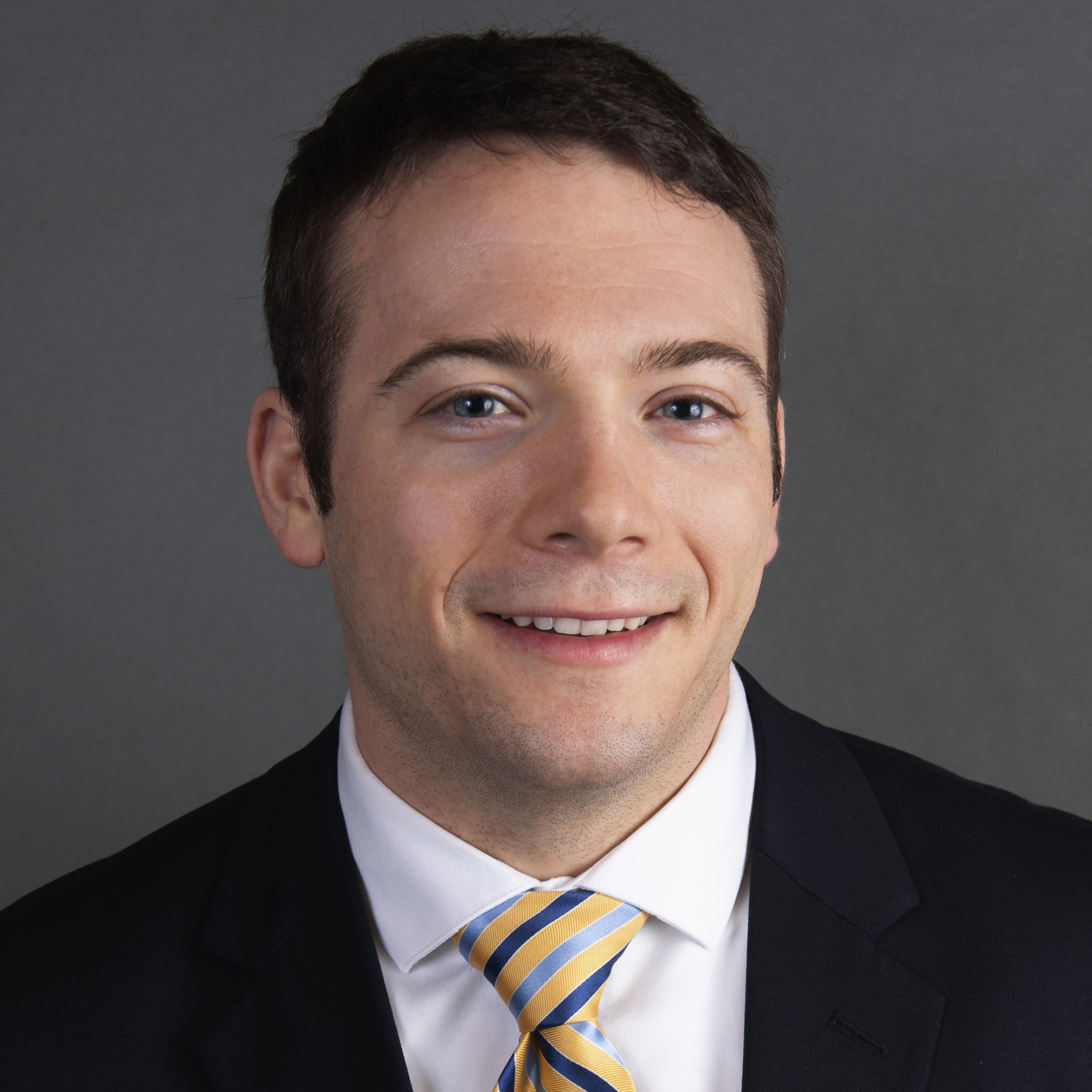
Jonah C. Cunningham currently serves as President and CEO of the National Association of County Behavioral Health and Developmental Disability Directors (NACBHDD). In this role he proactively advocates for national policies that recognize and support the critical role counties play in caring for people affected by mental illness, addiction, and developmental disabilities. In this capacity he also serves as Executive Director of the National Association for Rural Mental Health.

Prior to joining NACBHDD, Jonah worked at Trust for America’s Health, a public health think tank, where he focused extensively on ways to reduce mortality from substance misuse and suicide. Additionally, he worked as a congressional staffer for several years in the office of Congresswoman Grace F. Napolitano (CA) where he helped to reestablish the Congressional Mental Health Caucus and created a Suicide Prevention Task Force within the Caucus.

Michael Hoge, Ph.D. is Professor Psychiatry at the Yale School of Medicine and the Director of Yale Behavioral Health. For four decades at Yale, he has been developing and managing comprehensive systems of behavioral health care and a broad range of clinical, rehabilitative, educational, vocational, outreach, and recovery-oriented services for children, adolescents and adults. Simultaneously, he has worked to develop and evaluate innovative services, including alternatives to hospitalization, crisis response systems, programs for the homeless, and therapeutic schools.  

Dr. Hoge, a clinical psychologist, is a nationally recognized expert on behavioral health workforce development. He is a founding member and the Senior Science and Policy Advisor of The Annapolis Coalition on the Behavioral Health Workforce. He is the senior editor or author of three major works by the Coalition: the SAMHSA-funded national Action Plan on Behavioral Health Workforce Development; the Alaskan Core Competencies for Direct Care Workers in Health and Human Services; and the SAMHSA and HRSA-funded Core Competencies for Integrated Behavioral Health and Primary Care. Over the past five years he has developed the Coalition’s intensive Recruitment and Retention Learning Collaboratives in Behavioral health and launched these collaboratives across the nation.

Michael has presented and published widely on behavioral health services and workforce development. He has consulted to the President’s New Freedom Commission on Mental Health and to numerous federal and state agencies, foundations, and provider organizations. He has been a member of two National Academy of Medicine (IOM) Committees that addressed workforce issues and Chaired the Behavioral Health Professional and Technical Advisory Committee of The Joint Commission.

Marcy Melvin, MA is a pivotal executive with over 25 years of experience in behavioral health policy, training, and clinical practice. As a Licensed Professional Counselor in Texas her experience includes providing direct clinical and supervisory services to children, youth, parents, and young adults in various clinical settings including residential, in-home, outpatient, private practice, primary, secondary, and post-secondary locations. Marcy is extremely passionate about advancing health equity and reducing disparities and disproportionality; this has been a culmination of her life’s work in various clinical, organizational and systems settings. 

Wendy Morris, RN, MSN, CS, has enjoyed various roles in patient care and leadership across the continuum in behavioral health for more than three decades, including inpatient, outpatient, and home health services as well as state government. She served as commissioner for Kentucky’s Department for Behavioral Health, Developmental and Intellectual Disabilities for several years and is currently a Senior Behavioral Health Advisor at the National Association of State Mental Health Program Directors (NASMHPD).

Ms. Morris holds a Master of Science in Community Health Nursing from the University of Kentucky and is credentialed as a Public Health Clinical Nurse Specialist by the American Nurses Credentialing Center (ANCC).

Reyna Taylor, Senior Vice President, Public Policy, National Council for Mental Wellbeing

Ms. Taylor brings extensive experience with federal public policy initiatives to protect access and affordability to her role as Vice President, Policy & Advocacy at the National Council for Mental Wellbeing where she leads public policy and government affairs activities, supervises legislative matters and guides overall public policy strategy. With nearly two decades of specialty pharmaceutical and medical device experience, Ms. Taylor has a wide range of knowledge on public policy issues, including Medicare, Medicaid and commercial management of managed care organizations, hospitals, pharmacies and mental health centers. She holds a Bachelor of Science in neuroscience from Bates College and earned a Master of Science in biotechnology and Master of Business Administration from Johns Hopkins University. Currently, she serves on the board of the Mental Health Liaison Group.
Moderator


Josh Rubin, MPP
Vice President, Client Solutions
Health Management Associates

Background

The National Council for Mental Wellbeing launched the Center for Workforce Solutions in 2023 in partnership with The College for Behavioral Health Leadership and Health Management Associates. The partnership is leveraging Collective Impact to address the workforce crisis, and using a cross-sector approach to address the long-standing challenges for expanding and solidifying the behavioral health workforce.

Workforce Solutions Jam | Bridging the Gap: Advancing a Diverse and Resilient Workforce for SUD Treatment (January 2025)

January 21, 2025 by Vicki Goutzoulis

Workforce Solutions Jam | Bridging the Gap: Advancing a Diverse and Resilient Workforce for SUD Treatment 

Innovative Strategies to Strengthen the SUD Workforce and Support Recovery 

Presentation Slides (PDF)

The substance use disorder (SUD) treatment landscape is facing an unprecedented workforce crisis. Recent data from Health Resources and Services Administration (HRSA) predicts the demand for addiction counselors will increase by 62%, while the supply of addiction counselors is expected to decrease by 13%. The stark reality is that current workforce capacity can only support approximately half of those seeking recovery services—a gap that demands immediate, innovative solutions. 

Addressing the SUD crisis requires a robust and ready workforce that is not only skilled but also reflects the diversity of the communities they serve. This Workforce Solutions Jam focused on actionable strategies to recruit, train, and retain a workforce capable of meeting the unique needs of individuals affected by substance use.  

Key highlights of this webinar recording include: 

  • Discover strategies to create a more diverse and representative SUD workforce 
  • Explore model legislative frameworks to systematically address SUD workforce development challenges 
  • Understand approaches to developing workforce competencies that improve care quality and recovery outcomes 
  • Gain insights into building partnerships that support recovery-focused employment opportunities 

Resources and Links

Model Building the Substance Use Disorder Workforce of the Future Act

Financing Peer Recovery Support: Opportunities to Enhance the Substance Use Disorder Workforce

Addressing Workforce Challenges Across the Behavioral Health Continuum of Care

Practical Guide for Expanding the Community-Based Behavioral Health Workforce

Diverse and Underserved Communities (SAMHSA)

National Center for Health Workforce Analysis

Behavioral Health Workforce Tracker (Mullan Institute, George Washington University)

Recovery-Ready Workplace Resource Hub

Speaker Information

Alexandra Plante is a Senior Advisor of Substance Use at the National Council for Mental Wellbeing, and works alongside the United Nations Office of Drug Control Policy (UNODC) on unethical practices in substance use disorder treatment and recovery. Previously she has served as a consultant to U.S. federal agencies and state policymakers, international agencies, and private entities such as Google. Her writing has been featured in outlets such as Harvard Health Publications, Psychology Today, and The Fix. She holds a M.A. in Quantitative Research in Communications, and previously served as a Director at the Massachusetts General Hospital and Harvard Medical School – Recovery Research Institute, and DynamiCare Health. 

Philip Rutherford is the Vice President for Substance Use in the Strategy and Growth Office at the National Council for Mental Wellbeing. In this role, he expands the organization’s impact in addressing the quality, effectiveness, accessibility and affordability of substance use programs and services for National Council members. He is also tasked with charting a course for progress, transformation and equity.  

Rutherford has managed strategy and operations for several recovery-focused organizations. He is a member of committees at the National Institutes of Health, the Food and Drug Administration and other federal agencies. He serves on several nonprofit boards, including Serve Minnesota, the National Association of Addiction Treatment Providers and the Police Treatment and Community Collaborative. Prior to the nonprofit world, he spent most of his career at Microsoft, Micron Electronics and the Taylor Corporation. Rutherford is an active member of the recovery community and has considerable experience in the areas of reentry and equity. 

William Stauffer is in long-term recovery and leads PRO-A, the statewide RCO of Pennsylvania. Mr. Stauffer is a writer on the history and future of the American Recovery Movement. In 2019 he was honored as the Vernon Johnson Award Individual Recovery Advocate award by Faces & Voices of Recovery. In December of 2023, he testified to the US Senate Special Committee on Aging for the second time to highlight challenges and opportunities related to the growing problem of substance use disorders in older adults. He recently completed a fellowship at the Hazelton and Betty Ford Foundation in Center City MN through the A.A. Heckman Endowed Fellowship. As part of passing the torch to the next generation, International esteemed author and recovery thought leader William White asked Mr. Stauffer to open the First National Conference on Addiction Recovery Science held by NIDA, NIAAA and the Recovery Research Institute at Harvard with his remarks. He is an adjunct Professor of Social Work at Misericordia University in Dallas PA.

Shelly Weizman is a human rights lawyer who currently serves as the associate director of the Center on Addiction and Public Policy at the O’Neill Institute at Georgetown Law and as faculty at Georgetown’s Master of Science in Addiction Policy and Practice. She previously worked in the governor’s office in New York, where she oversaw policy and operations related to addiction, mental health, and disabilities, and began her legal career as a civil rights attorney in New York City. Before law school, she worked with youth and families at a variety of addiction treatment programs. She is also a person living and thriving in long-term recovery from addiction. 

Background

The National Council for Mental Wellbeing launched the Center for Workforce Solutions in 2023 in partnership with The College for Behavioral Health Leadership and Health Management Associates. The partnership is leveraging Collective Impact to address the workforce crisis, and using a cross-sector approach to address the long-standing challenges for expanding and solidifying the behavioral health workforce.


CBHL 2025 Membership Information Call

January 21, 2025 by Vicki Goutzoulis


Presentation Slides (PDF)

The College for Behavioral Health Leadership is a place for leaders to collaborate to empower communities to thrive. We convene leaders to share expertise, cross-pollinate ideas, provide hands-on experiences, and develop actionable skills. We are committed to equity, believe recovery is the expectation, and strive for wellbeing across the lifespan.

Our members are individuals and organizations representing emerging and experienced leaders from both public and private cross-sector organizations whose work either focuses directly on or intersects with behavioral health. We define leader not by title, but by the ability and deep desire to effect change. Our membership reflects a diversity of experience, expertise, and perspective, and serve as active participants in our work. 

Watch this recording to learn more about CBHL 2025 member benefits, upcoming initiatives, and to meet your colleagues. Additionally, meet our new CEO, Charly Weldon, MBA, and learn more about our new member management system, Glue Up!

Synergy in Action: Bringing Concepts Beyond DEI into the Mental Health Workplace

January 16, 2025 by Vicki Goutzoulis

Presentation Slides (PDF)

Join us to learn how to integrate DEI with wellbeing into the very fabric of mental health workplaces through the powerful concept of “Synergy”. The goal of this experiential webinar was to demonstrate creativity and agency to cultivate a more supportive and effective system for both the workforce and those they serve.

Synergy is the energy that we feel when we just know that healing is happening. According to Dr. Richard Katz, “Synergy is out there. The universe is synergistic. We just haven’t learned to open ourselves to it.”

The goals of this webinar recording are to:

  • increase understanding about the concept of Synergy, a philosophy of Diversity, Equity, and Inclusion integrated with Wellbeing, 
  • exemplify taking responsibility for wellness at each level of a mental health system – from clients to the workforce to the system as a whole. 
  • learn how to nurture Synergy in action in our current mental health care systems, 
  • and identify ways we can collectively work towards transforming mental health care towards more Synergistic approaches in each of our contexts.

Watch this webinar recording learn about the definition and history of the concept of synergy, including the major strands of synergy in action, and discuss examples of synergy in action on individual, interpersonal, and collective levels.  Webinar participants were able to interact with the presentation through discussion questions throughout. 

About Stepped Care Solutions

Stepped Care Solutions (SCS) is a mission-driven not-for-profit organization, and the creators of Stepped Care 2.0 (SC2.0©) – an innovative and transformative model that leverages collaborative efforts and technology to transform mental health and substance use health systems for better access and outcomes. SCS exists to help organizations and communities reframe, rethink, and redesign the delivery of mental health care services.

Bolstered by principles and driven by evidence, SCS collaborates with government, business, health care, and more, to promote and implement an equitable and visionary approach to mental health care, and ensure every individual receives care that is uniquely suited to their needs.

Recommended reading: 

Stepped Care 2.0: The Power of Conundrums 1st ed. 2023 Edition

Indigenous Healing Psychology: Honoring the Wisdom of the First Peoples 2017

Synergy, Healing, & Empowerment: Insights from Cultural Diversity

Defining Synergy | Dr. Gillian Berry (video)

Speaker Information

Dr. Gillian Berry, Senior Advisor of Culture & Workforce Development

Dr. Gillian Berry is Senior Advisor of Culture & Workforce Development at Stepped Care Solutions. She is a published author and a clinical social worker, with over 35 years of experience as an educator and practitioner. She has overseen the counseling and psychological services at George Washington University, leading a multidisciplinary team of mental health professionals through the implementation of the Stepped Care 2.0 approach into their service delivery. She has been a faculty member at the University of Botswana’s Department of Social Work Southern Africa and the University of Maryland School of Social Work. Her clinical interests are strongly influenced by her grandfather’s Indigenous philosophy, and she provides short-term solution-focused services/therapy from this perspective.

Dr. Catie Greene, Faculty of Culture & Workforce Development

Catie Greene, PhD, LPC is a counselor educator and supervisor.  Catie has worked as a clinician in college counseling centers and group practice, and an educator in Clinical Mental Health Counseling graduate programs for over 11 years and joined Stepped Care Solutions as a faculty consultant on synergy, beyond diversity, equity, and inclusion in 2020. Catie’s research and practice is grounded in Relational Cultural Theory. 

Workforce Solutions Jam | Reducing Barriers to Licensure to Expand and Diversify the Behavioral Health Workforce (December 2024)

December 17, 2024 by Vicki Goutzoulis


View Presentation Slides (PDF)

Workforce Solutions Jam | Reducing Barriers to Licensure to Expand and Diversify the Behavioral Health Workforce

Creating a More Inclusive and Effective Workforce  

As the demand for mental health and substance use treatment continues to grow, it is critical to develop a workforce that reflects the diverse populations it serves. Barriers to obtaining licensure remain a pressing challenge for many entering the field, as 57% of people who earn master’s degrees in mental health disciplines do not obtain clinical licensure due to financial, time, and regulatory constraints. This session recording explores creative solutions, with insight into the Social Work Interstate Licensure Compact and spotlighting the work of the National Mental Health Workforce Acceleration Collaborative (NMHWAC), a program that aims to increase the number of qualified licensed mental health and substance use treatment clinicians, while increasing diversity in client-facing positions.  

Key highlights of this webinar include: 

  • Understand barriers to obtaining licensure in mental health disciplines 
  • Gain insight into the Social Work Interstate Licensure Compact, including recent updates 
  • Explore actionable models and strategies to expand and diversify the behavioral health workforce 

Speaker Information

Amy Conway, MPH is Director of Community Health for Kaiser Permanente. She oversees the management and execution of programs including Housing for Health, Economic Opportunity, and Food & Nutrition Security. Amy has worked at Kaiser Permanente (KP) for two decades in several different roles. After receiving her Master’s in Public Health from Tulane University in the nineties, she began her career as a health educator at the KP clinic in Hayward, California. She then led regionwide tobacco dependence prevention and cessation initiatives and smoking cessation counselor trainings throughout Northern California. Mid-career she left KP to become the executive director of a nonprofit organization whose mission was to teach people mindfulness meditation. She then returned to KP as a senior managerial consultant working closely with Primary Care Chiefs and Managers to lead performance improvement and strategic projects. Amy served as Regional Director of KP’s perinatal substance abuse program for eight years. Outside of work, Amy enjoys playing tennis, hiking, and snowboarding in Colorado where she lives with her partner Michael, her dog Eddie, and two quirky cats. 

Dr. Karen E. Goodenough, PhD, MSW, LGSW, is Executive Director of the National Association of Social Workers – Minnesota Chapter. Dr. KG has worked in direct practice, non-profit program management, has been a consultant in evaluation, data utilization, and strategic planning, and has served as adjunct faculty in numerous BSW and MSW programs throughout Minnesota. Her dissertation research focused on exemptions from licensure, and she is a member of the MN Board of Social Work Advisory Committee and Legislation and Rules Committee. Dr. KG chairs the NASW Licensure Task Force, was on the document writing team for the Social Work Interstate Compact, and is the NASW representative to the Compact Commission. 

Andrea S. Meyer Stinson, Ph.D., LMFT is the Director of Workforce Strategy & Initiatives for Resilient Georgia.

As Director of Workforce Strategy & Initiatives, Dr. Andrea Meyer Stinson leads the National Mental Health Workforce Acceleration Collaborative Program. She is dedicated to growing and strengthening Georgia’s workforce of trauma informed professionals, while simultaneously identifying barriers, facilitators and solutions related to Georgia’s mental health workforce shortages. She was co-founder of Resilient Middle Georgia where she helped to build awareness about positive and adverse childhood experiences (PACEs), resilience, and trauma informed care across an 11-county area.

Dr. Meyer Stinson has worked therapeutically with children, couples, families, and communities since 2001. She has trained extensively in Parent Child Interaction Therapy (PCIT), Perinatal Mood and Anxiety Disorders (PMADs), and Child Parent Psychotherapy (CPP). She is a Licensed Marriage and Family Therapist (LMFT) and an American Association for Marriage and Family Therapy (AAMFT) Approved Supervisor. With more than two decades of experience working in academia, she has taught undergraduate, graduate, and medical students as a professor in Mercer University’s School of Medicine in the Master of Family Therapy program. She is past president for the Georgia Association for Marriage and Family Therapy (GAMFT) and a former board member for Resilient Georgia. She earned her doctoral degree from The Florida State University, master’s degree from Purdue University, and two bachelor’s degrees from the University of Georgia.

Julia Pavon Rojas M.S, NCC, is a pre-licensed, bilingual mental health counselor whose primary focus is providing individual and group counseling to adults, adolescents and children. Julia works for Ser Familia, a non-profit organization with offices all across the metro-atlanta area. Ser Familia provides mental health and prevention services for Latino families in Spanish. Julia graduated from the University of Georgia with a B.S in Psychology and criminal justice studies, and completed her M.S in mental health counseling at Oklahoma State University. 
Emmaly Perks, MA, CCRP, is an experienced leader in mental health and education, with over a decade of expertise leading workforce and leadership programs. She holds a Bachelor of Science in psychology and a master’s degree in curriculum, instruction, and assessment. As the current Director of the National Mental Health Workforce Acceleration Collaborative for the National Council for Mental Wellbeing, she oversees a $15MM national program aimed at addressing the mental health workforce crisis through recruitment, training, and retention of mental health clinicians from diverse backgrounds. Previously, Ms. Perks was Director of the Office of Education and Training for the University of Colorado’s Department of Psychiatry, where she led programs in workforce and organizational development. 

Amy René, LCSW has over 30 years of social work experience in the Metro Atlanta area. She graduated from The University of Georgia in 1993 with a Bachelor of Social Work degree and began her career in child welfare with DFCS. She has worked at DFCS until 2004 when she went to work for Hillside, Inc., one of the oldest non-profits in Atlanta. Amy obtained her MSW in 2004 from the University of Georgia.

Amy has worked at Hillside for 20 years and has served in multiple roles including the Vice President of Community Operations and Clinical Services. She was intensively trained in Dialectical Behavior Therapy by Dr. Tom Lynch and Dr. Adam Payne in 2006 with the original cohort of therapists and staff at Hillside. She has also participated in advanced DBT trainings with Dr. Shari Manning and Dr. Marsha Linehan. She has participated in intensive continuing education training in the areas of Family Preservation, Foster Care, Kinship, Wraparound, Family Finding, Trauma, and Child Welfare.

Amy lives in North Atlanta with her husband of 15 years and 13 year old daughter.

Background

The National Council for Mental Wellbeing launched the Center for Workforce Solutions in 2023 in partnership with The College for Behavioral Health Leadership and Health Management Associates. The partnership is leveraging Collective Impact to address the workforce crisis, and using a cross-sector approach to address the long-standing challenges for expanding and solidifying the behavioral health workforce.

Workforce Solutions Jam | Addressing the Workforce Shortage Through Policy Change (November 2024)

November 19, 2024 by Vicki Goutzoulis

Workforce Solutions Jam | Addressing the Workforce Shortage Through Policy Change 

Translating Innovative Policy Solutions Into Action


View Presentation Slides (PDF)

The focus of this session was on innovative policy solutions at the federal and state level aimed at addressing the workforce crisis. In September, The Kennedy Forum released a report titled, Building the Mental Health and Substance Use Disorder Workforce We Need, which examines the extent of the shortage and provides guidance for policymakers on payment and reimbursement, licensure and standardization, education and training, and data and technology. Representatives from The Kennedy Forum’s workforce committee shared highlights of the report, followed by a dialogue with state leaders implementing promising strategies aligned with the report. 

Key highlights of this webinar included: 

  • Review the policy recommendations set forth in The Kennedy Forum report and how and why they were developed 
  • Explore innovative, promising strategies implemented by state leaders aligned with these policy recommendations 

Resources Shared

  • Building a Mental Health and Substance Use Disorder Care Career (Career Path Resource)
  • Report: Building the Mental Health and Substance Use Disorder Workforce We Need
  • Report: Strategies to Improve Access to Behavioral Health Care Services through Medicare and Medicaid

Speaker Information

Andrea Carlstrom has spent her entire career dedicated to health and wellness in a wide variety of environments and has served the community as Chaffee County Public Health’s (CCPH) Director for almost a decade.  CCPH provides the county with over 30 programs and services, including chronic disease prevention and early intervention, communicable disease surveillance and investigation, emergency preparedness and response, maternal and family health, environmental health, aging well, immunizations, and so much more.  In 2019, she and her colleagues were inspired to ignite a storytelling and advocacy movement to empower and unite the people of Chaffee County and to drive systems and policy change from the tales of lived experience from our own backyard which has become We Are Chaffee.  We Are Chaffee is a catalyst for community conversations, and it is not uncommon for Andrea to be meeting with community partners and members of the public to hear about their experiences and to strategize on solutions to make living in Chaffee County a better place for all.  As chief health strategists in the communities they serve, local public health directors have an opportunity to connect people and programming, leverage resources and expertise, and improve the health landscape with an equitable lens.  Andrea is honored that she has such a unique role in such a special place that she calls home.

Nathaniel Z Counts, JD, is the Chief Policy Officer for The Kennedy Forum, where he advances a public policy agenda which aims to ensure that all individuals have access to the treatment, services, and insurance coverage that meets their needs and the supports necessary to promote prevention, recovery, and mental well-being. In previous roles, Nathaniel served as Senior Policy Advisor for Mental Health to the Commissioner of Health for the City of New York and the Senior Vice President of Behavioral Health Innovation for Mental Health America (MHA). His thought leadership and research have been published in journals such as JAMA Pediatrics, Lancet Psychiatry, and Nature Mental Health. He received his JD cum laude from Harvard Law School, where he was a Student Fellow at the Petrie-Flom Center for Health Law Policy, and his BA in biology from Johns Hopkins.

Dr. Erin Parks is a clinical psychologist, researcher, and co-founder of Equip, a virtual eating disorder program that delivers evidence-based treatment for lasting recovery. She has over 15 years of experience with adolescents and adults in inpatient, partial hospitalization, and intensive outpatient settings, where she has seen firsthand the disparity in who gets diagnosed and who has access to quality treatment. Erin is passionate about quality mental health treatment and helping families differentiate between treatment that feels good and treatment that works. 

Dr. Helen Egger is a child psychiatrist, mental health epidemiologist, and digital health innovator. She is a highly sought world expert in the field of child psychiatry working with countries and global organizations on early interventions and measurement-based care. With over 19k citations to her name, 100+ peer-reviewed research articles, and dozens of NIH research grants, she deeply understands what works in mental health and what is just conjecture. She was recognized by Forbes 50 over 50  for co-founding Little Otter with her daughter, Rebecca Egger. Little Otter is a virtual child and whole family mental health company providing measurement-based and evidence-based care to children from birth to age 14 and their families. 

Prior to Little Otter, Dr. Egger was Chair of the Department of Child and Adolescent Psychiatry at NYU Langone Health (NYULH), Director of the NYU Child Study Center, and before that Vice-Chair and Chief of the Division of Child and Adolescent Psychiatry at Duke Medicine. She founded the WonderLab and Digital Design Lab at NYULH and the Early Childhood Mental Health Lab and Information and Information & Child Mental Health Initative at Duke. 

As the creator of the PAPA, the gold standard and first diagnostic assessment for preschool children, Dr. Egger has shaped the science and practice of early childhood mental health. The PAPA is translated into more than 15 languages. Her work has proved that the rate of mental health disorders in children under the age of 6 are the same as the rates in older children and that early treatment is highly effective.  

Dr. Egger attended Yale College and Yale School of Medicine, is a mother of four children, and lives in Durham, NC, right up the road from her daughter and co-founder, Rebecca Egger, and her first grandchild. 

Dr. Anita Everett is the Director of the Center for Mental Health Services within the Substance Abuse and Mental Health Services Administration (SAMHSA). Serving in this role since 2018, she provides executive leadership for federal efforts to improve the nation’s mental health service systems.

Prior to SAMHSA, Dr. Everett served as the Section Chief of The Johns Hopkins Bayview Community and General Psychiatry in Baltimore, Maryland. She was on the faculty of the Johns Hopkins School of Medicine and the Bloomberg School of Public Health. At Hopkins, she directed 22 community psychiatry programs that provided a range of services to individuals from preschool age to older adults, that included intensive acute services as well as recovery support services for persons with serious mental illnesses. More recently at Hopkins, she was involved with the leadership of health system behavioral health integration into accountable care structures.

Earlier in her career, Dr. Everett also served as the Senior Medical Advisor to SAMHSA where she worked on the promotion of access to quality services and access to medications in the Medicare prescription drug benefit. From 1999 to 2003, she served as the Inspector General to the Office of the Governor in the Department of Mental Health in Virginia. During this time, she completed over 80 inspections of Institutions operated and licensed to provide mental health services in Virginia. She received the Patrick Henry Award for outspoken advocacy.

Dr. Everett is a past president of the American Psychiatric Association, Maryland Psychiatric Society and the American Association of Community Psychiatry and has received commendation for her work in national healthcare reform and advocacy. She has served on the National Institute on Drug Abuse National Advisory Council, is currently an ex-officio member of the National Institute of Mental Health National Advisory Council and is also active in several professional organizations. She has been engaged in a number of international projects, including with the Global Leadership Exchange, and has provided consultation to the Ministries of Health, Department of Mental Health in Iraq and Afghanistan on the implementation of mental health services in these countries.

Lauren Moyer, LCSW, is the Executive VP of Clinical Innovation for Compass Health Network. She is a visionary servant leader with over 20+ years’ experience in the behavior health field, especially around shaping patient-centered approaches and filling gaps within our system of care. She is the current chair of Missouri’s 988 Taskforce and former chair of Missouri’s Suicide Prevention Network. Ms. Moyer’s multi-faceted experience has equipped her with a comprehensive understanding of the intricate complexities surrounding behavioral health and the transformative potential for change.  

Compass Health Network (CHN) has been a long-standing Community Mental Health Center for 50 years, and now serves as one of the largest CCBHC’s in the nation. As a comprehensive health care provider in 47-counties throughout Missouri, spanning the I-70 corridor from St. Louis to Kansas City, our clinics are in diverse communities and counties, serving a multitude of Missouri with diverse backgrounds, socioeconomic status, and specifically targeting the marginalized and medically indigent who have historically lacked proper access to affordable and clinically effective treatment services. CHN is also an FQHC, a free-standing psychiatric in-patient hospital and a 988-crisis lifeline provider that includes the full continuum of crisis on-demand services such as Behavioral Health Crisis Centers (BHCC), providing 24-7 access to crisis services and support and assisting with hospital and detention center diversion. CHN has made investment in mobile crisis services, emergency room enhancement projects (placing staff members at local emergency room departments to support referral into after care, and most recently the addition of a youth behavioral health urgent care. 

Moderators

Anthony Carter, LCSW is a Director, Practice Improvement and Consulting, for the National Council for Mental Wellbeing. He leads initiatives for advancing the mental health and substance use treatment workforce. Prior to joining the National Council, he served as the data and quality assurance manager for Montgomery County, Md., Child Welfare Services, where he was responsible for agency data collection, analysis and reporting of key performance indicators. He started with Montgomery County as a child protective services social worker investigating child abuse and neglect allegations and is a licensed clinical social worker (LCSW-C) in Maryland. Prior to his career in social work, Carter was a program manager at Public Allies, a national workforce development and social justice nonprofit that advances new leadership to strengthen communities, nonprofits and civic participation.

Peter Delia is a Federal Policy Manager for the National Council for Mental Wellbeing. Peter manages a number of federal policy portfolios for the National Council, including issues related to workforce, telehealth, equity, 988/crisis, and social determinants of health. Prior to coming to the National Council, Peter worked as a senior attorney for the Florida Senate, where he drafted and analyzed legislation related to behavioral health, Medicaid, child welfare, and elder care issues. Peter has also worked as a senior attorney for the Florida Department of Health, where he practiced administrative litigation and prosecuted disciplinary matters concerning physicians, optometrists, chiropractors, psychologists, and dentists. Peter is a South Florida native and currently lives in Tallahassee, FL with his wife, Eliza. 


Background

The National Council for Mental Wellbeing launched the Center for Workforce Solutions in 2023 in partnership with The College for Behavioral Health Leadership and Health Management Associates. The partnership is leveraging Collective Impac

Workforce Solutions Jam | Leveraging AI to Streamline Administrative Tasks in Behavioral Health (October 2024)

October 16, 2024 by Vicki Goutzoulis

Presentation Slides (PDF)

Workforce Solutions Jam | Leveraging AI to Streamline Administrative Tasks in Behavioral Health

Enhancing Provider Efficiency and Care Delivery 

Artificial Intelligence (AI) technology offers the potential to free up valuable time by reducing the administrative burden on clinicians and other staff through automation and/or streamlining of tasks like documentation, billing, patient management, and scheduling.  By integrating AI into daily workflows, the goal is for clinicians to focus more on patient care, improving efficiency, and to feel less burnout.  However, it isn’t always easy. In this month’s Workforce Solutions Jam, hear directly from providers who will share their firsthand experiences with implementing – or attempting to implement – AI technology to reduce administrative burdens in their clinics.  Join us for a candid conversation about the real-world impact, practical challenges, and successes of AI on provider efficiency, patient care, and clinician well-being. 

Key highlights of this webinar include: 

  • Finding the right AI tools and vendors to meet your organizational needs and goals 
  • Utilization of AI to improve client outcomes and documentation compliance 
  • Using AI as a recruitment and retention tool 
  • Identifying practical challenges and barriers to AI implementation 
  • Considerations for whether AI is the right tool for you 

Resources

Questions and Insights Provided by Ashley Kjos PsyD, L.P.:

  • What model is the AI built on? What language tools/models are using?
  • Company we are working with is specific to Behavioral Health not general to all healthcare
  • How long has the company been in existence? How many customers have?
  • How long have they been testing the AI model? Are you going to be a tester of this model or are you adopting something that has gone through the beta process and is for general production?
  • What are the requirements/needs from your IT department to implement?
  • What data is kept or stored by the AI company and for how long?

Note: Ashley Kjos’ team utilizes Eleos Health.

Insight from Dr. Garima Singh:

Include your IT, compliance and clinical team in the discussion.

Speaker Information

Ashley Kjos, PsyD, L.P. is a Minnesota licensed psychologist (#LP5534) and the Chief Executive Officer of Woodland Centers, a Certified Community Behavioral Health Clinic (CCBHC) in west central Minnesota. Dr. Kjos earned her Master’s (2009) and PsyD (2011) in Clinical Psychology at Pacific University in Forest Grove, Oregon. After being a staff psychologist at Woodland Centers from 2011 to 2014 then the Clinical Director from 2014 to 2016, she became its CEO in 2016. As CEO, Dr. Kjos is responsible for the overall coordination of the internal operations of Woodland Centers. The agency has a seven county catchment area and a robust continuum of outpatient, rehabilitative, and residential behavioral healthcare programs serving the entire age range. 

Dr. Kjos is very active in behavioral health services across the state through participation in various associations and serving on non-profit boards. She has served on the board of directors of West Central Industries (WCI), a vocational rehabilitation service provider based out of Willmar, Minnesota from October 2019 to present including being the Vice Chair of this board from 2022 to 2023 and Chair from 2023 to present. She has served as a board member on the Minnesota Association of Resources for Recovery and Chemical Health (MARRCH) from November 2019 to present. Dr. Kjos has been actively involved in the Minnesota Association of Community Mental Health Programs (MACMHP) association since 2014 including advocacy for public policy changes, training, collaboration with providers and associations across the state, and innovation of the mental health and substance use system of care in MN. She has served on the MACMHP board of directors from 2019 to present serving as the Treasurer from 2021-2022 and the board chair from 2022 through 2024. Dr. Kjos is committed to transformation of the healthcare system in the state of Minnesota.  

Dr. Garima Singh, MD is a Chief Medical Officer at Burrell Behavioral Health and its parent company, Brightli. She is triple board certified in American Board of Child and Adolescent Psychiatry, General Psychiatry and Addiction Medicine. She also serves as an adjunct faculty in the Department of Psychiatry, University of Missouri and participates as an expert panel for ECHO Child and adolescent psychiatry. Prior to her current position at Burrell Behavioral Health, she was the medical director at the Thompson Center for Autism and Neurodevelopment. Dr. Singh has been actively involved in teaching, multiple committees and research projects related to mental illness and autism. In her current role she also focuses on novel methods of healthcare delivery including telehealth, integrated and collaborative care models especially for rural and underserved areas. She has several publications and has presented in state, national and international level. She specializes in child psychiatry and especially cares of those with special needs, autism, and developmental delays. She is passionate about bullying prevention and expansion of mental health services. 

Dr. Singh grew up in India, earning her medical degree there before completing a fellowship in child psychiatry at Southern Illinois University (SIU) and her general psychiatry residency at the University of Missouri School of Medicine.  

Jim McEvoy is a Principal with Health Management Associates and is accomplished in architecting robust technology solutions for state agencies, health plans and service providers. Jim understands the substantial role data will play in the future of healthcare delivery and works to inform clients around data-driven decisions. He is an experienced project manager and business strategist who has successfully led all phases of diverse Medicaid technology projects. With deep knowledge of CMS reporting, waiver management and pharmacy data, Jim aligns business goals to deliver groundbreaking healthcare IT solutions.

As a vendor for the Michigan Department of Health and Human Services, Jim managed projects to develop web-based enrollment tools, federal reporting tools and data warehousing strategies for the department’s 1915(c) waivers, health home projects, autism state plan amendment, and home and community-based services projects. He mitigated risk factors through careful analysis of data and a flexible technical solution set. He anticipated and managed change effectively in rapidly evolving business environments and the transfer of knowledge among different departmental units. Jim defined processes and tools best suited to each project and moved between agile and waterfall approaches depending on project specifics and client goals. He created detailed project road maps, plans, schedules and work breakdown structures.

Jim has been the subject matter expert for Michigan’s pharmacy data warehousing strategy. He oversaw inbound data loads, pharmacy encounter processing, and extracts to health plans and Michigan’s fee-for-service pharmacy benefits manager. With significant experience in systems engineering, Jim led the design, development and rollout of approximately 40 extract, transformation and load (ETL) processes and a dozen web applications for clients with the state of Michigan.

Jim had the privilege of serving as the project manager for the CareConnect360 web application. This tool is responsible for delivering Medicaid claims and encounters information to a diverse user audience, including health plans, community mental health agencies, health home providers and foster care workers. It currently serves seven different business units inside of Michigan’s Department of Health and Human Services.

Jim received his bachelor’s degree from Michigan State University. Jim lives in the Lansing area with his wife and three children. They can often be found camping or at an MSU football game. When not doing those things, Jim is a rehabilitating runner and co-hosts MSU’s least topical sports podcast.

Zach Boyd, PhD is the Director of the Office of Artificial Intelligence Policy at the Utah Department of Commerce. Dr. Boyd is a faculty member at Brigham Young University’s (BYU) mathematics department, where he teaches applied and computational mathematics. Dr. Boyd’s research lab focuses on artificial intelligence, machine learning, and mathematical modeling in social science applications, such as psychology, economics, and social networks. Before working at BYU, Dr. Boyd was a postdoctoral research associate at the University of North Carolina at Chapel Hill, an NDSEG Fellow at UCLA, a research associate at Los Alamos National Laboratory, and a Presidential Scholar at BYU.”


Background

The National Council for Mental Wellbeing launched the Center for Workforce Solutions in 2023 in partnership with The College for Behavioral Health Leadership and Health Management Associates. The partnership is leveraging Collective Impact to address the workforce crisis, and using a cross-sector approach to address the long-standing challenges for expanding and solidifying the behavioral health workforce.

Workforce Solutions Jam | Transforming Organizational Culture (September 2024)

September 17, 2024 by Vicki Goutzoulis

Presentation Slides (PDF)

High turnover undermines an organization’s stability, effectiveness, and long-term success, leading to increased costs, loss of expertise, decreased productivity, and lower morale, especially in challenging roles.  

Prioritizing organizational culture is key to supporting employee retention.  When employees feel valued, connected to their colleagues, and aligned with the organization’s mission, job satisfaction improves, making them less likely to leave. Organizations that emphasize a healthy work-life balance and employee wellbeing through things like flexible work arrangements and social and mental health support tend to achieve higher retention rates.

Watch this webinar recording to learn strategies for fostering long-term retention by creating an environment where employees feel valued, fulfilled, and motivated to stay. 

Key highlights of this webinar recording include: 

  • Learn how a large provider transitioned more than 90% of their 400+ staff to a 4-day work week where individuals work 32 hours but are paid for 40 hours. 
  • Hear about the impact of a 4-day work week from the perspective of staff, and how other organizations can start this journey. 
  • Explore the multi-faceted approach taken by a social services organization to create a culture of respect and belonging that significantly reduces turnover.
  • Understand why staff are choosing quality of life at work over higher salaries.
  • Learn about a model from the United Kingdom for developing organizational wide approaches that support creating psychologically safe workplaces.

ANEW is a social services organization that offers a range of comprehensive services to women and their families including Residential and Outpatient Substance Use Disorders Treatment, Sober Housing for Women and Women WITH Children, Family/Partner Apartments, a Non-profit Mental Health Clinic, and a Licensed Childcare Facility. ANEW is aware of the gaps and barriers that women face in the process of receiving the help they need to begin their lives anew and we aim to reduce and remove those obstacles. 

4C Health is a certified Community Mental Health Center and Inpatient Psychiatric Facility in the State of Indiana. 4C Health serves over 9,000 consumers annually across 14 rural counties in North Central Indiana with over 430 employees. 4C Health is known for its innovation in care and operations and was an early implementer of an expanded crisis continuum implementing Mobile Crisis Teams in 2020 and opening a Crisis Stabilization Unit is 2021. 4C Health is 1 of the 8 pilot organizations for Indiana’s Certified Community Behavioral Health Center State Demonstration. 

Speaker Information

Dr. Carrie Cadwell has been the CEO/President of 4C Health since 2017. She is a licensed psychologist in the state of Indiana. Dr. Cadwell has dedicated her almost 20-year career to rural North Central Indiana communities and, in particular, serving the behavioral health and substance use recovery needs of those with significant socio-economic disadvantage. Her experience spans community mental health, crisis services, youth residential, inpatient psychiatric care,  integrated primary care practice, and outpatient private practice across the lifespan. She is passionate about 4 day work week as a public health intervention and over 90% of 4C Health’s employees work a 32 hour week but are paid for 40 hours.  

Emily Carlstrom, CPRS, is a Certified Peer Recovery Specialist who works with women in recovery to help find ways and resources to live a new way of life. Emily participated in the Recovery Coach Academy through Bold North Recovery and became certified through the Minnesota Certification Board. Emily is in recovery herself and also a graduate of ANEW’s Outpatient program. Emily is also the sober house manager and oversees all six sober homes at ANEW Chemical Health Services. As a former client and resident of the ANEW program, Emily knows firsthand what the women she works with have been through. It has been an amazing journey for her so far and she takes great pride in being able to make a difference in the lives of other women like herself.   

Michaelene Colestock has 22 years of experience in the Substance Use Disorders Treatment field. Currently, Michaelene is the owner, founder, and CEO of ANEW Chemical Health Services a 245G Co-Occurring Treatment Center for adult women. Michaelene has a master’s degree in Counseling Psychology from the University of St. Thomas. Michaelene has a passion for educating others on the topic of addiction. She has taught students at the U of M and Adler Graduation School, facilitated trainings at Metro State University on Co-Occurring Disorders, Family Supportive Housing Center on a variety of topics, MARRCH Conference, Washington DC Conference to Prevent Homelessness, all required 245 G trainings for other treatment centers, and many more informal trainings. Michaelene is most well known for her passion to house women AND their minor children. She has owned and operated sober housing on the East Side of St. Paul since 2010 and her mission is to keep families together while working on recovery. In addition to ANEW Chemical Health Services Michaelene owns and operates Spence Specialties LLC which is 4 sober homes and an 11-unit apartment building located in St. Paul, MN. Spence Specialties has a contract with Ramsey County for Housing Supports and the MN Department of Health Board and Lodge with Special Services. Michaelene has as an affinity for the East Side of St. Paul. She and all of her family members attended primary school at Sacred Heart on 6th St. and Harding High School. She and all of her siblings, parents, and grandparents were married at Sacred Heart Church. 

Honorary Associate Professor Sean Russell MBE is a researcher focusing on reviewing and delivering interventions for mental wellbeing across the business sector and wider organisations. 

Over the last 7 years, Sean has been the Programme Director that led the development and implementation of the Mental Health Commission Action plan in the West Midlands, England and national Mental Health and Productivity Pilot researching 1150 organisations with over 850,000 employees. He was the founder of Thrive at Work and led the regional response to implementing Thrive into Work.   

He has 35 years of public service experience across Policing, Local Authorities and more recently academia.  Sean is also the COO and European Lead for GLE and works to build leadership and rapid knowledge exchange across addiction, disability, and mental health. 

Letecia Timmel, LCSW has been employed with 4C Health for the past 9.5 years in various capacities. Most recently, Letecia has been serving as the Senior Clinician that oversees clinical supervision of master’s level therapists and practicum students. Letecia is a Licensed Clinical Social Worker in the state of Indiana and has been working in Community Mental Health for almost 20 years with an additional 4 years working in an inpatient setting. Letecia has experience in the delivery and supervision of wraparound services to at-risk youth, system of care development in the community, quality management, individual and group therapy and clinical supervision. Letecia is passionate about trauma and secondary traumatic stress as it pertains to staff and often provides support to staff and community members following crises. 


Background

The National Council for Mental Wellbeing launched the Center for Workforce Solutions in 2023 in partnership with The College for Behavioral Health Leadership and Health Management Associates. The partnership is levera

Health Beyond Healthcare: Addressing Workforce and Equity Challenges Through Community

September 12, 2024 by Vicki Goutzoulis

Health Beyond Healthcare: Addressing Workforce and Equity Challenges Through Community

Addressing workforce and equity challenges via Social Prescribing and “Community As Medicine” models


Presentation Slides (PDF)

With a workforce crisis affecting many domains of healthcare, models like Social Prescribing and Community as Medicine can activate community resources, connecting clinics and communities to improve patient-centered care and reduce healthcare burden.

Watch this webinar featuring Dr. Alan Siegel of Social Prescribing USA, and Dr. Elizabeth Markle and Carolina Ayala from Open Source Wellness. (Learn more about Open Source Wellness’ “Community As Medicine” in our May 2022 webinar recording.)

Social prescribing offers an exciting opportunity and has implications for workforce burden and integrated care settings. There are a number of social prescribing efforts growing in the United States, with origins at the National Health Service (NHS) in the United Kingdom.

Efforts like Open Source Wellness’ “Community as Medicine” model are being evaluated by research teams at UCSF and Stanford, and show exciting outcomes like a 77% reduction in emergency department visits, a 43% decrease in depression, a 41% decrease in anxiety, and a measured increase in both social connection and wellbeing.*

Open Source Wellness (OSW) is an Oakland-based nonprofit with a mission to generate “Community as Medicine” by partnering with communities and healthcare to deliver joyful, trauma-informed, and culturally relevant programs for health, wellbeing, and human connection.  OSW can be understood as a “Behavioral Pharmacy,” delivering on the “Behavioral Prescriptions” that primary care, specialty care, and behavioral health providers offer to their patients who are struggling with (or at risk for) behaviorally-mediated conditions including depression, anxiety, social isolation, diabetes, and hypertension. OSW partners with clinical providers and payors to deliver its experiential “Community As Medicine” model, achieving striking clinical patient outcomes and generating revenue for FQHC’s and other clinical delivery systems. Utilizing culturally-relevant health coaches and peer leaders to support diverse and transdiagnostic populations, OSW represents a next-generation behavioral health solution and a new way of organizing clinical delivery services.

Social Prescribing USA is the hub for the advancement of the U.S. social prescribing movement. Social prescribing utilizes the arts, nature, volunteerism, and local community organizations as medicine for patients of all ages. Social prescribing considers social health as important to a patient’s well-being as physical and mental health, and is a key tool to address the loneliness epidemic and the social determinants of health. It is founded on the principles of health equity. The use of our community resources as medicine is one of the next big ideas in health care in the U.S., as it is in more than 30 countries around the World. Social Prescribing USA work in affiliation with the UK’s Social Prescribing Network, the International Social Prescribing Collaborative, and a community of advocates across the United States.

*Impact & Outcomes | Open Source Wellness


Resources

  • Open Source Wellness
    • Impact & Outcomes Data
  • Dr. Markle’s TedX talk on Community as Medicine
  • Social Prescribing USA
    • Get Involved (Social Prescribing USA)
    • Resources (Social Prescribing USA)
  • New York Times Article on Social Prescribing

Meet Our Speakers

Dr. Alan Siegel is the Co-founder and Medical Director of Social Prescribing USA, the leading U.S. social prescribing advocacy organization. He is a Family Physician at Kaiser Permanente in Oakland, California, and is developing their social prescribing program. For the last 2 decades at Contra Costa Health (CCH), he led an arts in health program for patients and staff and led many projects in social prescribing: a Nature Rx program to bring patients with pediatric obesity and chronic disease to Bay Area regional parks; and he helped start the Health Leads program at CCH to address social determinants of health. As a National Organization for Arts in Health founding board member, he initiated a project to bring the arts to healthcare workers to address burnout. He also provided leadership to the renowned Martinez Family Medicine Residency Program, specializing in ambulatory education and faculty development. Alan also completed a UCSF Champion Provider Fellowship to work on advocacy.

Dr. Elizabeth Markle is a licensed psychologist, speaker, writer, researcher, and Professor of Community Mental Health at California Institute of Integral Studies.  She is the co-founder and Executive Director of Open Source Wellness, an Oakland-based nonprofit offering experiential behavioral health and wellness via a “Community As Medicine” approach in collaboration with healthcare providers and insurers. Dr. Markle earned her doctorate in Counseling Psychology from Northeastern University and her M.A. in Psychology from Pacifica Graduate Institute. She completed her pre-doctoral internship at Cambridge Health Alliance/Harvard University, and her postdoctoral training in Primary Care-Mental Health Integration at the San Francisco VA Medical Center. Dr. Markle is a thought leader in the field of health and wellness and has been sought-after as a consultant for her unique insights and expertise in clinic-community integration, innovative approaches to mental health, and group facilitation. 

Carolina Ayala (Lena) is a health and wellness coach at Open Source Wellness. She first encountered OSW as a participant, prescribed into the OSW “Community As Medicine” program by her PCP at Native American Health Center.  After completing the program and serving as a peer leader, she embarked on health and wellness coach training with OSW, and was subsequently hired on as a staff coach.  She is a mother, wife, author and crossinguard, and previously worked as a teacher. She holds many titles and positions but what is most important is the healing journey she continues to be on in relation to self, people, food, movement and medicine. 

Workforce Solutions Jam | Payment Reform (August 2024)

August 21, 2024 by Vicki Goutzoulis

Workforce Solutions Jam | Payment Reform

The Promise and Potential of Value Based Purchasing for a Thriving Workforce 

Presentation Slides (PDF)

Payment is a primary lever for addressing gaps in equity of behavioral health salaries, building pathways for the future workforce and creating reimbursement that supports an expanded workforce. Shifting incentives to focus on outcomes rather than volume can improve job satisfaction and retention by enabling providers to spend more time with patients, engaging in comprehensive care coordination, and participating in integrated care teams.  Payment reform can ensure more stable and predictable funding streams, allowing organizations to invest in workforce development, training, and innovative care approaches, ultimately leading to a more effective and thriving behavioral health workforce. 

Key highlights of this webinar include: 

  • Learn what value-based purchasing really means and its potential to improve outcomes and reduce administrative burden. 
  • Explore the role of emerging payment and delivery reforms in addressing workforce challenges, aligning quality measurement, behavioral health integration with primary care, and supporting whole person health.   
  • Understand how states have typically structured alternative payment models (APMs) for behavioral health services and considerations for new APM efforts for care coordination offered by behavioral health providers. 
  • Discuss how managed care organizations have worked with behavioral health provider organizations to structure APMs and how behavioral health providers have responded to these efforts. 
  • Review value-based payment initiatives implemented by a health insurance company in Pennsylvania focused on the success of providers, stabilization of workforce, and achievement of improved outcomes. 
  • Learn how behavioral health providers in Minnesota are building and implementing value-based delivery and payment strategies through the state’s Integrated Health Partnership, the state’s only dedicated Behavioral Health accountable care organizational model.

Resources

RTI International: Behavioral health parity – Pervasive disparities in access to in-network care continue

  • Health Care Payment Learning & Action Network
  • LAN Framework 
  • LAN Accountable Care Curve
  • Exploring Value-Based Payment for Substance Use Disorder Services in the United States (SAMHSA)

Relevant CMMI Model Links

  • Innovation in Behavioral Health
  • Making Care Primary
  • Value in Opioid Use Disorder Treatment

State Examples

  • 1115 Waiver Demonstrations (e.g., Virginia Addiction and Recovery Treatment Services Program)
  • Medicaid Health Homes (e.g., Michigan Opioid Health Home)
  • Certified Community Behavioral Health Centers (CCBHCs)

Speaker Information

Lori Fertall is the Director of Value-Based Programs at Community Care Behavioral Health, a non-profit behavioral health managed care organization that is part of the Insurance Services Division of UPMC headquartered in Pittsburgh, Pennsylvania. In this position, she is responsible for the creation, implementation, evaluation, and reporting of value-based purchasing arrangements with behavioral health providers. Previously as Community Care’s Director of Quality Management, she implemented quality management programs and performance improvement projects across the company and its provider networks. She regularly presents to a variety of local and national audiences at conferences on topics such as value-based purchasing, quality improvement, and payer/provider relationships. Prior to joining Community Care, Lori worked at various health and human service agencies in clinical and program development roles. She earned a master’s degree in Business Administration from Point Park University, a bachelor’s degree in Social Work and Women’s Studies from West Virginia University, and a Lean Six-Sigma Green Belt from UPMC.  

John O’Brien has more than 30 years of experience in behavioral health systems design, financing, and implementation. He has worked with Medicaid, mental health, and substance abuse authorities in numerous states to develop federal Medicaid waivers, Medicaid state plan amendments, and federal grant applications. A former Senior Consultant at TAC, Mr. O’Brien directed the organization’s work on substance use disorders (SUDs) with an emphasis on helping states increase access to services, integrate SUD treatment and primary care, and reduce unnecessary costs by using Medicaid and other sources to support effective systems. He was the subject matter expert for several states in their efforts to implement systems of care for children and families with serious mental health conditions and on community integration strategies for adults with serious mental illness.

Mr. O’Brien has worked for the U.S. Department of Health and Human Services in leadership roles with the Centers for Medicare and Medicaid Services (CMS) and the Substance Abuse and Mental Health Services Administration (SAMHSA). At CMS, he led the Innovation Accelerator Program for Substance Use Disorder and Primary and Mental Health Integration and coordinated the agency’s efforts on developing guidance regarding parity for Medicaid and the Children’s Health Insurance Program. Mr. O’Brien played a significant role in the implementation of Medicaid expansion under the Affordable Care Act and in developing the Home and Community Based Services regulations. At SAMHSA, he was Senior Advisor to the Administrator on Health Care Reform. 

Jin Lee (Jinny) Palen is the Executive Director of the Minnesota Association of Community Mental Health Programs (MACMHP) and Convergence Integrated Care, a clinically integrated network of community mental health centers across Minnesota. Her background includes public health research and analysis, community engagement, legislative advocacy, government relations, public policy, and community leadership. Prior to her role with MACMHP, Jinny was Minnesota Association of Community Health Centers (MNACHC) Public Policy Staff. Jinny stays active in her local neighborhood community clinic and AAPI community. Jinny worked for the Minnesota Department of Health in the Health Economics Program, Tobacco Prevention and Control, and the Legislative Affairs Office. Jinny was a Legislative Policy Fellow of the Partners for the Americas Policy Exchange Fellowship in 2014. She has a Bachelor of Arts in Biology from the College of Saint Benedict, St. Joseph MN, and a Master of Public Health degree from the University of Minnesota.  

Samantha Repka is a Research Associate at the Duke-Margolis Institute for Health Policy where she focuses on issues related to care delivery and payment reform, behavioral health including substance use disorder, and other public health issues.  Previously, Samantha worked at the New York City Department of Health and Mental Hygiene, where she served as a Director of Public Policy. Prior to her time in NYC, she was a Senior Manager at AcademyHealth and a Teach for America Corps Member. She holds a Master of Science in Public Health and a Bachelor of Science in Public Health from the University of North Carolina at Chapel Hill.


Background

The National Council for Mental Wellbeing launched the Center for Workforce Solutions in 2023 in partnership with The College for Behavioral Health Leadership and Health Management Associates. The partnership is leveraging Collective Impact to address the workforce crisis, and using a cross-sector approach to address the long-standing challenges for expanding and solidifying the behavioral health workforce.

Workforce Solutions Jam | Bridging the Gap (July 2024)

July 16, 2024 by Vicki Goutzoulis

View Presentation Slides (PDF)

Workforce Solutions Jam | Bridging the Gap 

Addressing Disparities in Mental Health Licensure Exam Success 

The Workforce Solutions Jam is a monthly webinar to build national momentum and encourage collaboration through the Center for Workforce Solutions.

The Workforce Solutions Jam provides opportunity to:

  • Learn innovative new practices
  • Stay informed about ongoing efforts
  • Engage with subject matter experts
  • Hear about new legislation and/or federal workforce efforts
  • Take action!

We are experiencing a sustained mental health workforce crisis in the United States. Despite the acute need for more clinicians, we lose thousands of licensure-track therapists from the workforce every year due to candidates’ inability to pass licensure exams. And those outcomes are not evenly distributed by demographic: more than 30% fewer Black-identifying test-takers pass their licensure exams than their White-identifying counterparts.

In this session, we examined data, test-makers’ response through test changes, and recommendations for improving outcomes.  

Key highlights of this webinar recording include: 

  • Understanding licensure exam pass-rate data, the problem they present, and test-makers’ response through recent test changes 
  • Discussing recommendations for improving outcomes across all licensures and test-taker demographics 
  • Learning about leadership development programs designed to improve workforce and leadership diversity 

Speaker Information

Melissa Blackwell, MSW has over 20 years of experience in the behavioral health field; and initially starting her career as a case manager for adults with Serious Mental Illnesses. Melissa served in various roles with Department of Juvenile Services, Psychotherapeutic Services, Court Services and Offender Supervision Agency, and Department of Health & Human Services. Ms. Blackwell dedicated 10 years of Federal service as a Treatment Specialist who ensured each client received a thorough assessment and treatment referral for their behavioral health needs. Melissa is currently a Project Officer for Substance Abuse and Mental Health Services Administration; overseeing the Minority Fellowship Program and Historically Black Colleges and Universities grants. She received her Bachelor of Arts degree in Sociology from Morgan State University and Master of Social Work at University of Maryland, Baltimore. Melissa enjoys reading, hiking, and creating memories with family and friends during her spare time.

Ebony Chambers is the Director of Equity-Grounded Leadership for The College for Behavioral Health Leadership. In this role, she oversees the delivery, facilitation, content, and progress of the Equity-Grounded Leadership (EGL) Fellow Program.  Ebony has over 18 years of experience working with issues of social justice, equity, education, mental health and diversity.
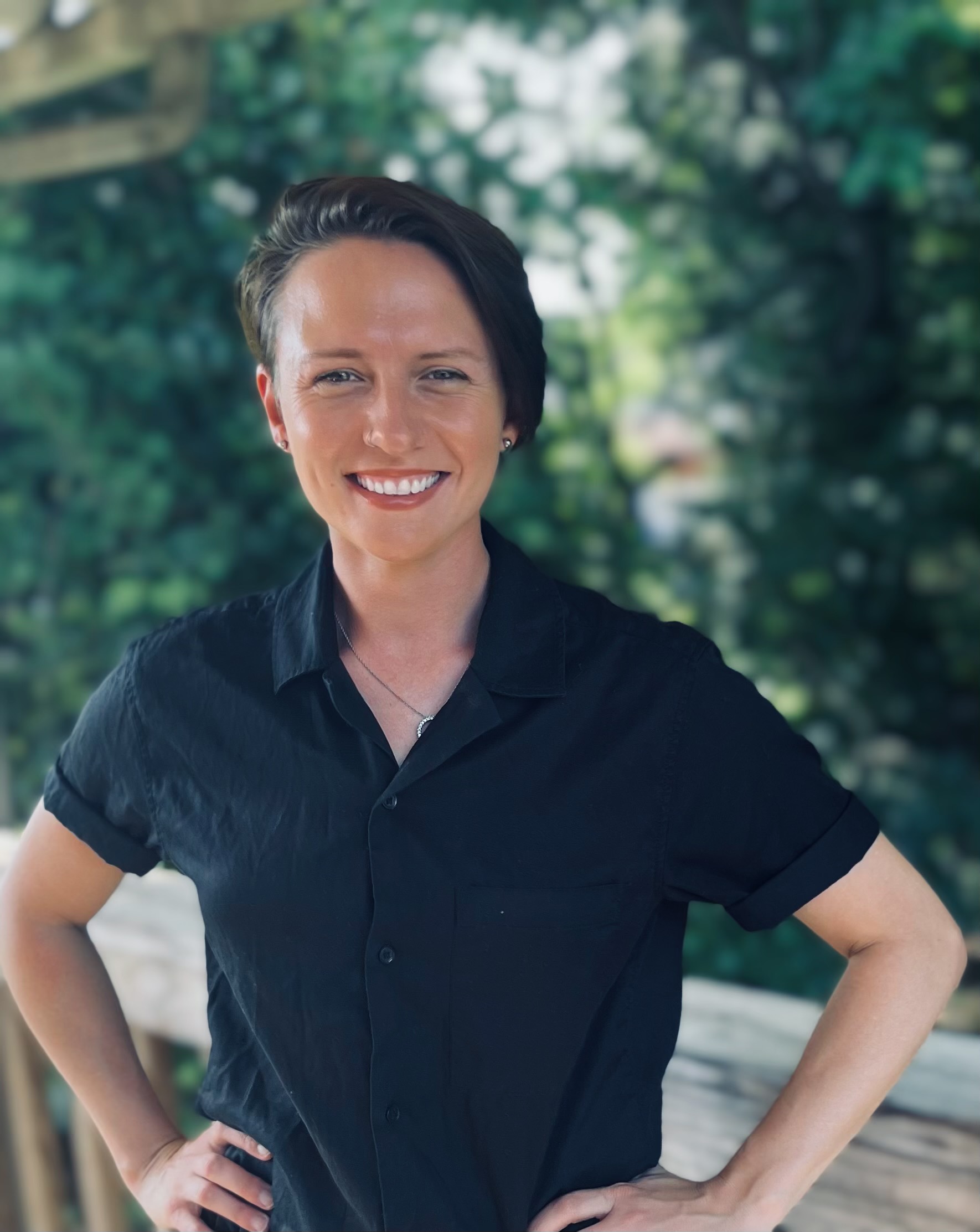
Terence Fitzgerald, PhD, EdM, MSW, who specializes in trauma-informed, resilience-oriented, equity-focused systems (TIROES), was previously a clinical associate professor of social work at the University of Southern California’s Suzanne Peck-Dworak School of Social Work. Dr. Fitzgerald grew up in Champaign, Ill. He earned a bachelor’s degree in liberal arts, master’s degrees in school social work and educational leadership and a doctorate in education policy studies from the University of Illinois at Urbana-Champaign. As both a social worker and a race and gender scholar, for 12 years, Dr. Fitzgerald worked through K-12th grade levels as a school social worker, and then later as a special education equity coordinator in racially and economically diverse settings in Central Illinois. He has worked with social justice grassroots organizations that focus on marginalized children and families, aligned for the purpose of meeting state and federal requirements, and helped organizations and corporations work toward meeting the needs of culturally and socially just organizations and environments. Professionally, he has utilized his program and curriculum evaluation talents to enable public schools in Illinois to make financial, efficient, ethical, racially just policy, program and curriculum changes. His expertise as a racial scholar is spotlighted in numerous international and national media outlets, peer-reviewed journals, and collaborative and independently published books, including “The Reality of Diversity, Gender and Skin Color: From Living Room to Classroom,” “White Prescriptions? The Dangerous Social Potential for Ritalin and other Psychotropic Drugs to Harm Black Males” and “Black Males and Racism: Improving the Schooling and Life Chances of African Americans.”

Brandon Jones is the CEO at Triad, a leading provider of education, community, and career resources for behavioral and mental health students, professionals, and organizations. Before joining Triad in 2019, Brandon spent nearly two decades at Kaplan Test Prep: he started his career as an SAT instructor, and then advanced through a series of roles leading various field and home office functions, with the last several spent as the President of the largest business unit at Kaplan. Brandon is passionate about the transformative power of education; and as an advocate of grit and growth mindset, he believes that just about anyone can do just about anything. Brandon has an A.B. in English and American Literature and Language from Harvard University, and lives in New York City with his wife and daughter. 


Background

The National Council for Mental Wellbeing launched the Center for Workforce Solutions in 2023 in partnership with The College for Behavioral Health Leadership and Health Management Associates. The partnership is leveraging Collective Impact to address the workforce crisis, and using a cross-sector approach to address the long-standing challenges for expanding and solidifying the behavioral health workforce.

Nothing About Us Without Us: Why Civic Engagement is Critical for Behavioral Health Progress 

July 11, 2024 by Vicki Goutzoulis

Presentation Slides (PDF)

2024 is an election year in America where the future of our country will be written. In November people nationwide will go to the polls to vote for their representatives, to consider ballot initiatives, and to engage in a critical exercise in democracy.   

It is also a reminder of that civic engagement begins before the ballot box and continues afterwards.  Political processes can have real effects on behavioral health policy. While much progress has been made in recent years through the establishment and growth of initiatives like 988, Certified Community Behavioral Health Clinics (CCBHCs), and school-based mental health, it is not guaranteed.  That is why it is critical to remain informed and engaged in civic proceedings.   

In this webinar, CBHL and NACBHDD highlighted efforts to increase civic participation and provided an overview of the federal policy process to help make you a more informed advocate. Through understanding the policy processes and ensuring all voices are heard, we can help build a more equitable and fair behavioral health system. 

Speaker Information

Jonah C. Cunningham currently serves as President and CEO of the National Association of County Behavioral Health and Developmental Disability Directors (NACBHDD).  In this role he proactively advocates for national policies that recognize and support the critical role counties play in caring for people affected by mental illness, addiction, and developmental disabilities.  In this capacity he also serves as Executive Director of the National Association for Rural Mental Health.   

Prior to joining NACBHDD, Jonah worked at Trust for America’s Health, a public health think tank, where he focused extensively on ways to reduce mortality from substance misuse and suicide.  Additionally, he worked as a congressional staffer for several years in the office of Congresswoman Grace F. Napolitano (CA) where he helped to reestablish the Congressional Mental Health Caucus and created a Suicide Prevention Task Force within the Caucus.   

Jonah C. Cunningham has received numerous awards and recognition for his commitment to the field of behavioral health and those served by the nation’s behavioral health system. Jonah has a Bachelor of Science in Political Science from the University of Utah and a Master of Public Policy from The George Washington University.  In his free time, he enjoys learning how to cook and is an avid Jiu-Jitsu practitioner. 
Kelly Davis is the Vice President of Peer and Youth Advocacy at Mental Health America, where she works to expand peer support and young adult leadership. She is passionate about lived experience-driven programs, policies, organizations, and research. Kelly has been awarded the Disruptive Innovator Award by the National Association of Peer Supporters, the National Peer Leader of the Year Award by Peerpocalypse, and the 2023 Champion Award from Students with Psychosis. She holds certificates in yoga, applied positive psychology, and mental health leadership.

Kelly and her work have appeared in the New York Times, the Stanford Social Innovation Review,  NBC Nightly News, NPR, and the White House. She recently earned her master’s degree in Nonprofit Leadership at the University of Pennsylvania, where she served as a research assistant in the Perelman School of Medicine studying lived experience perspectives of inpatient psychiatric units. She is currently pursuing a master’s degree in public health from the Harvard T.H. Chan School of Public Health.

Brandon Graham serves as Director, Advocacy at the National Alliance on Mental Illness (NAMI), the nation’s largest grassroots mental health organization. Brandon oversees NAMI’s advocate development and mobilization to advance policies that build better lives for all people affected by mental health conditions. Brandon is responsible for its strategic advocacy campaigns—including the nonpartisan #Vote4MentalHealth campaign to help people understand the impact of their vote on mental health care in the U.S. Brandon also leads efforts to expand the organization’s advocacy presence on social media and thought leadership among policymakers. He serves on the Steering Committee for National Voter Registration Day (September 17, 2024). 

Vesper Moore serves as the Chief Operating Officer at the Kiva Centers. As an Indigenous activist and leader, Vesper is deeply committed to promoting mental health and disability rights through activism, leadership, organizing, public speaking, and education. Their work focuses on cultivating social movements and raising public awareness to foster lasting social change.

Vesper has contributed to the establishment of mental health organizations worldwide and has been an advocate for civil rights in the United States. Through their advocacy, they have brought the perspectives of people with mental health challenges and disabilities to both national and international platforms.

Collaborating with the United States government and the United Nations, Vesper helps shape strategies around trauma, intersectionality, and disability rights. They have been featured on NBC News, PBS NewsHour, Politico, and at The White House. Vesper is at the forefront of legislative reform, striving to shift the societal paradigm surrounding mental health.

Workforce Solutions Jam | Aligning Across Levers of Change (June 2024)

June 20, 2024 by Vicki Goutzoulis

Workforce Solutions Jam | Aligning Across Levers of Change 

State Leadership for Workforce Innovation and Development 


View Presentation Slides (PDF)

Addressing the workforce crisis requires a comprehensive approach that aligns and “pulls” multiple levers of change in concert and over time to create meaningful impact. A combination of infrastructure development and the implementation of workforce strategies has shown promising results in Kentucky via a collaborative and intentional approach to advancing workforce solutions. 

Key Highlights of the Jam included:

  • Meeting a state commissioner to learn how they lead a major workforce development effort throughout their state.
  • Hearing about Kentucky’s experience designing a workforce collaborative and implementing the state’s first strategic action plan specifically devoted to the behavioral health, developmental and intellectual disabilities workforce.
  • Learning examples of actionable infrastructure-building mechanisms and promising workforce strategies that can be applied in other states and localities.
  • Understanding recent state-enacted legislation focused on behavioral health loan forgiveness, alternative paths to licensure/removing exam requirements, and examples of strengthening recruitment and education. 
  • Exploring a summary crosswalk of more than 400 workforce recommendations from published reports to serve as an actionable roadmap for addressing the workforce crisis.

Resources from the Jam

View resources and links shared during the Jam below.

  • Job Description: Executive Director for Florida’s Center for BH Workforce
  • Hill Day 2024 NCMW Fact Sheet
  • Crosswalk Summary
  • National Association of State Mental Health Program Directors – Behavioral Health Workforce Resource Guide
  • National Conference of State Legislators – NCSL State Strategies to Recruit and Retain the Behavioral Health Workforce

State Efforts

  • Florida bill (SB 330) is focused on the creation of Behavioral Health Teaching Hospitals and the new Florida Center for Behavioral Health Workforce
  • Illinois enacted legislation which establishes an alternative to passing the licensing examination in order to become licensed as a clinical social worker.
  • Utah enacted legislation to create an alternative path to licensure for several mental health professional licenses that do not include passage of an examination (clinical social worker, certified social worker, social service worker, marriage and family therapist, and clinical mental health counselor).
  • Alabama enacted a CSW licensure compact bill.

State and County Plans

  • Colorado – Strengthening the Behavioral Health Workforce in Colorado: An Approach to Community Partnership
  • Ohio – Breaking Point – Ohio’s Behavioral Health Workforce Crisis
  • Tennessee – Public Behavioral Health Workforce Workgroup, Tennessee Department of Mental Health and Substance Abuse Services
  • Oregon – Behavioral Health Workforce Report to the Oregon Health Authority and State Legislature
  • San Diego, California – Addressing San Diego’s Behavioral Health Worker Shortage

Speaker Information

Peter Delia is a Federal Policy Manager for the National Council for Mental Wellbeing. Peter manages a number of federal policy portfolios for the National Council, including issues related to workforce, telehealth, equity, 988/crisis, and social determinants of health. Prior to coming to the National Council, Peter worked as a senior attorney for the Florida Senate, where he drafted and analyzed legislation related to behavioral health, Medicaid, child welfare, and elder care issues. Peter has also worked as a senior attorney for the Florida Department of Health, where he practiced administrative litigation and prosecuted disciplinary matters concerning physicians, optometrists, chiropractors, psychologists, and dentists. Peter is a South Florida native and currently lives in Tallahassee, FL with his wife, Eliza.

Beth Kuhn, MILR has over 30 years of experience creating and implementing innovative workforce, human service and health programs, leading collaborations among business, government, and nonprofit partners.  

Beth currently serves as Workforce Consultant with the Kentucky Department of Behavioral Health, Developmental and Intellectual Disabilities, and as Principal at Stonegate Strategies, a consultancy focused on futuristic workforce development strategies across sectors and organizations.  Beth’s focus is on the workforce of the future – including a special interest and expertise in the behavioral health workforce – and the human and digital transformation of organizations, people practices, and public services needed to support the next generation of customers. 

Beth previously served as Chief Engagement Officer at the Kentucky Cabinet of Health and Family Services, leading workforce policy and operational efforts to better serve customers and offer them multiple pathways to employment and stability.  She served in both Democratic and Republican administrations as Commissioner of the Kentucky Department of Workforce Investment and as Director of Workforce Development for the Vermont Department of Labor, collaborating across systems to provide employment, vocational rehabilitation, veterans, unemployment insurance, and other workforce services.   

Beth has a BA in Public Policy from the James Madison College of Michigan State University, and a MILR in Industrial and Labor Relations from Cornell University. She lives in Louisville, Kentucky and in Vergennes, Vermont. 
Dr. Gina Lasky, PhD, MAPL, is a Managing Director for Behavioral Health at Health Management Associates (HMA). Dr. Lasky is a national expert in behavioral health strategy, policy, clinical design and operations and partnership development. Her career combines experience as a licensed psychologist with decades of experience in the public sector with a depth of system and policy design as well as expertise in cross- sector leadership. Working with states, counties, managed care plans and large providers across the country, her work focuses on behavioral health system design, payment and quality, program innovation and operations including workforce. She is passionate about effective implementation of behavioral health integration and supporting providers on quality improvement such as enhancing measurement- based care; bringing behavioral health services into the community; partnership development; and leveraging human centered design in behavioral health. Dr. Lasky earned her master’s and doctorate in counseling psychology from the University of Denver and a master’s degree in public leadership with a specialization in multi-sector management from George Washington University.
Dr. Katie Marks serves as the Commissioner for the Kentucky Department for Behavioral Health, Developmental and Intellectual Disabilities. As a behavioral scientist, Dr. Marks supports the departmental mission of promoting health and well-being by facilitating recovery for people whose lives have been affected by mental illness and substance use; supporting people with intellectual or other developmental disabilities; and building resilience for all. Dr. Marks previously served as the project director for the Kentucky Opioid Response Effort (KORE); bringing expertise focused on state, community, and organizational-level strategies as well as policies that support recovery from the overdose epidemic. Dr. Marks received a doctorate in Experimental Psychology from the University of Kentucky and a graduate certificate in Clinical and Translational Science. 

Dr. Vestena Robbins is the Senior Executive Advisor for Innovation and Implementation Support in the Kentucky Department for Behavioral Health, Developmental and Intellectual Disabilities within the Kentucky Cabinet for Health and Family Services. In this role, Dr. Robbins leads behavioral health innovation, implementation, and system transformation efforts. She has over 30 years experience in the behavioral health services field as a behavioral health services researcher, program evaluator, and program administrator and has direct care experience in early care and education and as an elementary school counselor.  

Currently, Dr. Robbins serves as the Principal Investigator of Kentucky’s System of Care Implementation and Expansion grant for child welfare and juvenile justice-involved families; Co-Coordinator for two 988 Workforce Transformation Transfer Initiatives; and leads the Behavioral Health, Developmental and Intellectual Disabilities Workforce Innovation and Development Collaborative. She serves as the department’s designee for the Kentucky Center for School Safety Board of Directors; Kentucky’s CCBHC Demonstration Project; Kentucky State Interagency Council for Services to Children and Transition-Age Youth; Kentucky Healthcare Workforce Collaborative Advisory Group; Kentucky Healthcare Workforce Investment Fund Steering Committee; Kentucky Coalition for Healthy Students; Whole School, Whole Community, Whole Child (WSCC) Subcommittee of the Kentucky Board of Education; Cabinet for Health and Family Services’ State University Partnership Advisory Board; Kentucky Juvenile Justice Oversight Council; and the Juvenile Justice Workgroup of the Kentucky Judicial Commission on Mental Health. Dr. Robbins staffs the Social and Emotional Health and Wellbeing and Service Array Standing Committees of the State Interagency Council for Services to Children and Transition-Age Youth. She is a long-standing board member of the Kentucky Council for Children with Behavior Disorders; Red Bird Mission, Inc.; Camp Beacon; and a founding board member of GLSEN Bluegrass. Dr. Robbins is Co-Chair of the Cabinet for Health and Family Services Institutional Review Board. 

Dr. Robbins received a Bachelor’s Degree in Psychology from Berea College, a Master’s Degree in Community and School Counseling from the University of South Florida, and a doctorate in Child and Family Research and Policy from the University of South Florida. She completed a Graduate Certificate in Children’s Mental Health through the University of South Florida in 2008. 

Holly Salazar, MPH, is Chief Executive Officer of The College for Behavioral Health Leadership (CBHL), a leadership organization supporting current and emerging cross-sector leaders with learned and lived experience to collectively advance behavioral health in North America. Holly has worked for more than 15 years in public and community health roles in community-based, non-profit, health care, and local government organizations. An experienced systems leader, Holly engages with cross-sector leaders to form strong partnerships and create transformative change. Holly believes in the power of true collaboration and leveraging collective talents to solve problems.


Background

The National Council for Mental Wellbeing launched the Center for Workforce Solutions in 2023 in partnership with The College for Behavioral Health Leadership and Health Management Associates. The partnership is leveraging Collective Impact to address the workforce crisis, and using a cross-sector approach to address the long-standing challenges for expanding and solidifying the behavioral health workforce.

Workforce Solutions Jam | Workforce Expansion (May 2024)

May 21, 2024 by Vicki Goutzoulis

Workforce Solutions Jam: Workforce Expansion

Accelerating Investment in the Workforce Pipeline

This event was held on Tuesday, May 21, 2024.

Download Presentation Slides (PDF)

The Workforce Solutions Jam is a monthly webinar to build national momentum and encourage collaboration through the Center for Workforce Solutions.

The Workforce Solutions Jam will provide an opportunity to:

  • Learn innovative new practices
  • Stay informed about ongoing efforts
  • Engage with subject matter experts
  • Hear about new legislation and/or federal workforce efforts
  • Take action!

Expanding the workforce is critical for meeting the growing need for timely and effective behavioral health care. Workforce expansion can help improve accessibility to services and enhance the overall quality of care. Our first Workforce Solutions Jam, held on May 21, 2024, featured innovative behavioral health workforce expansion projects, such as Accelerate the Future and the Mass League of Community Health Centers partnership on loan repayment.

Key highlights of this Jam included:

  • Learning how Massachusetts has addressed a workforce shortage through apprenticeships and loan forgiveness 
  • Hearing about how a foundation has invested in projects to build a well-defined behavioral health career ladder and well-paying employment opportunities
  • Understanding the Center for Workforce Solutions’ use of collective impact to address the workforce crisis and key accomplishments since our November 2023 webinar
  • Learning more about SAMSHA’s Behavioral Health Workforce Workgroup efforts

Speaker Information

Ross Lohr, Managing Director, Accelerate the Future

Ross Lohr (he/him) is the managing director of Accelerate The Future, a private family foundation based in Massachusetts. Originally from Newton, Massachusetts, Lohr received his bachelor’s degrees in economics and psychology from Boston University and an MBA in non-profit management from the Heller School of Social Policy at Brandeis University. While at Boston University, Lohr founded a non-profit organization providing educational opportunities to children in rural Tanzania, and later founded a social enterprise creating fair wage jobs at a worker owned factory in North Carolina around textile recycling.  

Alexis Murray, MSW, Director, Program Operations, Loan Operations, Massachusetts League of Community Health Centers

Alexis Murray is the Director of Program Operations, Workforce Initiatives at the Massachusetts League of Community Health Centers (Mass League). She directs many programs that are in support of a broad range of the Massachusetts workforce, including the Mass League’s community health centers as well as other community-based organizations. Over the course of the past fifteen years, Alexis has become an expert and advocate for the Massachusetts workforce needs. In 2017 and again in 2022, Alexis was selected to be on Mass League’s procurement response teams that ultimately brought in the two largest contracts ever to be awarded to the Mass League. 

Brie Reimann, Vice President, Practice Improvement and Consulting, National Council for Mental Wellbeing

Brie Reimann (she/her) is the Vice President of Practice Improvement and Consulting at the National Council for Mental Wellbeing, a membership organization that drives policy and social change on behalf of 3,400 mental health and substance use treatment organizations and the more than 10 million children, adults and families they serve. In her role she provides department leadership over 40+ practice improvement initiatives that aim to improve access to and quality of care for individuals living with mental illness and substance use concerns. She is a passionate change leader who believes that all individuals and families should have equitable access to quality health care services. Prior to joining the National Council Reimann led statewide integrated care initiatives in Colorado focusing on primary care, mental health, substance use and HIV care settings working toward advancing comprehensive care  to provide essential primary, treatment and recovery services for all individuals and families.

Maia Banks, Supervisory Public Health Advisory, CMHS, SAMHSA

Maia Banks is a Supervisory Public Health Advisor within the Center for Mental Health Services (CMHS), Office of the Director (OD). She supports special projects and serves as a co-staff lead for the Cross-SAMHSA Workforce Workgroup. Prior to working in the OD, Maia served as the Branch Chief for the Community Support Programs Branch and supported special projects within the Division of Community Behavioral Health. 

Background

The National Council for Mental Wellbeing launched the Center for Workforce Solutions in 2023 in partnership with The College for Behavioral Health Leadership and Health Management Associates. The partnership is leveraging Collective Impact to address the workforce crisis, and using a cross-sector approach to address the long-standing challenges for expanding and solidifying the behavioral health workforce.


Webinar | Equity-Grounded Leadership Fellow Program 2024-2025 Cohort Overview and Pre-Application Webinar

May 16, 2024 by Vicki Goutzoulis


Presentation Slides (PDF)

The College for Behavioral Health Leadership (CBHL) is excited to announce a call for applications for the 2024-2025 Cohort of the Equity-Grounded Leadership (EGL) Fellow Program! The call to action is a shift in our focus as leaders to intersectionality, equity, and anti-racism for behavioral health systems transformation. 

The Equity-Grounded Leadership (EGL) Fellow Program 2024-2025 Cohort Overview and Pre-Application Webinar recording is intended to provide a detailed overview of the program and application requirements.  

*2024-2025 Applicants are required to have attended the webinar live or view the recording.

Watch the recording learn more about the EGL Fellow Program directly from the EGL Program Team and current 2023-2024 Fellows.

In this webinar, we covered:  

  • An overview of the EGL Fellow program, including curriculum, program format, and time expectations 
  • Past Fellow experiences 
  • Cost and sponsorship information  
  • Application process details 
  • Q&A 

Presenter Information

Ebony Chambers McClinton

Ebony Chambers McClinton, Chief Family & Youth Partnership Officer at Stanford Sierra Youth and Families, has over 18 years of experience working with issues of social justice, equity, education, mental health and diversity. Ebony brings both professional and personal life experiences to her work and provides the oversight of advocacy and support to youth and families in the Northern California Region. She is a speaker, educator, and workshop leader who has worked extensively throughout the United States and has served nationally and locally as an advocate and activist for access to care and the elimination of the stigma of mental illness for underserved and unserved communities. Chambers has provided extensive training in cultural competence and culturally responsive practices to schools, universities, social service and mental health agencies through her work in non-profit and for UC Davis Center for Family Focused Practice. Through her classes and trainings, she covers a wide range of topics including examining issues of privilege, power and the role of leaders and educators in a multicultural society.

Terrell Thomas, MSW

Terrell Thomas is a strategic leader who has nearly 20 years of experience working with nonprofits, the educational system, and the governmental sector. She has helped organizations build capacity to advance their mission and DEI
values for the betterment of the community. Her knowledge includes subject matter expertise in the areas of mental and behavioral health, child welfare, and juvenile justice. She brings both professional and personal life experiences to the work, and is extremely passionate about bringing to light disparities to improve outcomes for youth and families.
Aly Feye, MPA

Aly Feye is the Director of Operations for the College for Behavioral Health Leadership (CBHL). As part of this role, she serves as the Program Manager for the Equity-Grounded Leadership Fellow Program. Aly has seven years of experience working on efforts improve outcomes for youth and adults with behavioral health needs who may be involved in or at risk of becoming involved in juvenile justice and/or criminal justice systems. Prior to joining CBHL, Aly spent nearly seven years at Policy Research Associates, most recently as a Project Associate with SAMHSA’s GAINS Center for Behavioral Health and Justice Transformation.

Holly Salazar, MPH

Holly Salazar, MPH, is the Chief Executive Officer of The College for Behavioral Health Leadership (CBHL) and has worked for more than 15 years in public and community health.  An experienced systems leader, she engages with cross-sector leaders to form strong partnerships and create transformative change. Holly believes in the power of true collaboration and leveraging collective talents to solve problems.

Webinar | Be Our Guest: Discovering the Intersection of Hospitality and Crisis Services

March 14, 2024 by Vicki Goutzoulis

Presentation Slides

“If hospitality is about making people feel seen, the best way to treat them is not like a commodity, but as a unique individual. Unreasonable hospitality means that one size fits one.” – Will Guidara
 
In this webinar, unlock the secrets of hospitality in service industries while discovering their relevance in crisis settings. As a leader, learn how to put the elements of hospitality into practice while avoiding the pitfalls of an environment devoid of whole-hearted hospitality.

Presenters:

Tess Parker | LMSW, Clinical Consultant, TBD Solutions

Travis Atkinson | LPC, Director of Clinical & Crisis Services, TBD Solutions

Presenter Information

Tess Parker, LMSW, MSW, brings diverse experiences as a clinical therapist and facilitator. As a former director at a large behavioral health provider, she leverages her Master of Social Work from the University of Denver in a career dedicated to serving individuals experiencing mental health emergencies in both outpatient, and residential settings. Tess believes authenticity and vulnerability are at the core of human connection, and this belief is the foundation of her clinical and consultative approach.

Tess has an uncanny ability to strategically identify critical gaps in care and then create programs to bridge those gaps and truly save lives. She is also an avid writer, a minimalist at heart, and values meaningful connections with persons served, customers, and her community.

Travis Atkinson, MS, LPC, has worked in behavioral health services for the past 20 years as a clinician, trainer, supervisor, advocate, and consultant. He has presented on SAMHSA panels around crisis systems and crisis bed registries, researched best practices in emergency behavioral health care, and spoken at national behavioral health conferences on functional crisis systems and behavioral health workforce challenges. Since 2015 he has worked at TBD Solutions, and he was instrumental in authoring the Crisis Residential Best Practices Handbook in 2018.

He is the President of the Crisis Residential Association and former Crisis Services Committee Chair for the American Association of Suicidology. He received his BA from the University of Michigan and his Master’s degree from National-Louis University. Travis lives in Grand Rapids, MI, with his wife and three daughters. Travis dreams with writing and rocking with the likes of James Taylor and Huey Lewis & the News.

CBHL Member Roundtable | Exploring the Global Climate Crisis and Community-based Solutions to Build Mental Health Wellness and Resilience

February 8, 2024 by aly.feye

Presentation Slides

Are you seeing the impacts of the global climate crisis in your organizations or communities? Does  your community have methods in place that can prevent and heal the widespread distresses and traumas that can result from the impacts?

This roundtable dialogue expanded on awareness of the importance, methods, and many benefits of community-based initiatives that build individual and collective social, psychological, emotional, and behavioral wellness and resilience for the impacts of the global climate crisis and other adversities. It also emphasized the need to integrate efforts to address social isolation and loneliness, ACEs, and other behavioral health problems into these community initiatives. 

Speakers:

Bob Doppelt | International Transformational Resilience Coalition (ITRC)

Mebane Boyd | Resilient Communities Officer, North Carolina Healthy and Resilient Communities Initiative

Becky Turner | Director of Community Engagement, Community Resilience Initiative (Walla Walla WA) 

Speakers

Bob Doppelt founded and coordinates the International Transformational Resilience Coalition (ITRC), a network of mental health, social service, disaster management, climate, and faith organizations and professionals. He is trained in both counseling psychology and environmental science and has combined the two fields throughout his career. He is also a Graduate of the International Program on the Management of Sustainability, in Ziest, The Netherlands, and a Mindfulness-Based Stress Reduction Instructor. He is also a former Fellow at the Rockefeller Foundation’s Bellagio Center. Early in his career Bob worked as a counselor with troubled youth and their families. Decades later he directed the Climate Leadership Initiative at the University of Oregon, a climate change research and technical assistance program that was one of the first in the U.S. to assist private, non-profit, and public entities to develop climate mitigation and adaptation plans. For many years he also taught systems thinking at the UO. Through this work Bob realized that the mental health and psychosocial impacts of the climate crisis were a very significant but largely unaddressed problem. This led him in 2013 to organize the ITRC. Due to his many years of work, in 2015 Bob was named one the world’s “50 Most Talented Social Innovators” by the World CRS Congress. Bob is the author of a number of books on the interface between individual, group, community, and social resilience and ecological regeneration. His newest book is Preventing and Healing Climate Traumas: A Guide for Building Resilience and Hope in Communities (Taylor and Francis/Routledge Publishing, March 2023).

Mebane Boyd served for over 20 years in a variety of leadership roles in non-profit organizations in Wilmington NC such as the Domestic Violence Shelter, the Children’s Museum and Smart Start of New Hanover County. She was tapped to lead the New Hanover Resiliency Task Force in 2018 which brought together over 100 organizations and more than 600 individuals to reduce ACEs and build a compassionate community. Following Hurricane Florence, Mebane was selected to be the community champion for New Hanover County for its work with the National Center for Disaster Preparedness to ensure that children’s unique needs are considered in disaster planning. Since April 2021, she has filled the role of the Resilient Communities Officer at the NC Partnership for Children, learning from and building the capacities of the numerous multi-sector community coalitions across the state to build trauma-informed, healing-centered communities.
Mebane is married to her husband of 37 years and has two adult children. In her free time, she enjoys reading, walks on the beach, puzzling and playing mah jongg.

Becky Turner (she/her) joined the CRI team as Director of Community Engagement in September 2022. A homegrown Walla Walla Valley resident, Becky has worked as a public school teacher and in the local nonprofit sphere. A former Executive Director of a reentry-based nonprofit, she and her team provided human services to people after incarceration. Becky is also an active volunteer in the community of Walla Walla, and a member of the local Reach Out coalition to prevent suicide. Eager to put her first-hand knowledge of the community to good use, Becky looks forward to bringing CRI’s trauma-informed and resilience-focused training to all sectors of the Walla Walla Valley. When she’s not working on making connections in the community, Becky enjoys gardening and having weekly Sunday dinners with her extended family, where she is the assigned dessert maker.

CBHL 2024 Membership Call

January 18, 2024 by aly.feye

Presentation Slides

The College for Behavioral Health Leadership is a place for leaders to collaborate to empower communities to thrive. We convene leaders to share expertise, cross-pollinate ideas, provide hands-on experiences, and develop actionable skills. We are committed to equity, believe recovery is the expectation, and strive for wellbeing across the lifespan.

Our members are individuals and organizations representing emerging and experienced leaders from both public and private cross-sector organizations whose work either focuses directly on or intersects with behavioral health. We define leader not by title, but by the ability and deep desire to effect change. Our membership reflects a diversity of experience, expertise, and perspective, and serve as active participants in our work. 

The 2024 Membership Information Call was an opportunity to learn more about CBHL 2024 member benefits, upcoming initiatives, and to meet CBHL colleagues.

  • « Go to Previous Page
  • Page 1
  • Page 2
  • Page 3
  • Page 4
  • Interim pages omitted …
  • Page 6
  • Go to Next Page »

Footer

Contact Us

info@leaders4health.org
9 Meriam St., Suite 4
Lexington, MA 02420

Connect with Us

  • LinkedIn

Join Our Mailing List

Key Links

  • Membership
  • Resources
  • About

Copyright © 2026 · The College for Behavioral Health Leadership · All Rights Reserved · Website by Tomatillo Design