Subscribe to Our Newsletter

  • Skip to primary navigation
  • Skip to main content
  • Skip to footer
The College for Behavioral Health Leadership

The College for Behavioral Health Leadership

Where behavioral health leaders collaborate to grow and transform communities across the nation.

  • About
    • Vision, Mission, Principles
    • Who We Are
    • What We Offer
    • Board of Directors
    • Staff
    • Thank you to our Sponsors!
    • Contact
  • Programming
    • All Webinars & Events
    • Workforce Solutions Jam
    • Equity-Grounded Leadership
      • Equity-Grounded Leadership Fellow Program
        • Funding Partners
        • Past EGL Cohorts
      • Equity-Grounded Leadership Executive Coaching Program
      • Characteristics of Equity-Grounded Leaders
        • The Principles of Change
  • Resources
    • Webinar Archive
    • Summit Archive
    • Healthy Behavior Change E-Guide
    • Journal Articles, Reports & Toolkits
    • Links
      • Health Equity and Anti-Racism
  • Membership
    • Why Join CBHL?
    • Membership Options
      • CBHL Membership Scholarship Fund
      • Give the Gift of a CBHL Membership
    • Organizational Members
    • Glue Up Member Community
  • News
  • Donate
    • CBHL Membership Scholarship Fund
    • Thank You to Our Donors

Search The College for Behavioral Health Leadership

webinar

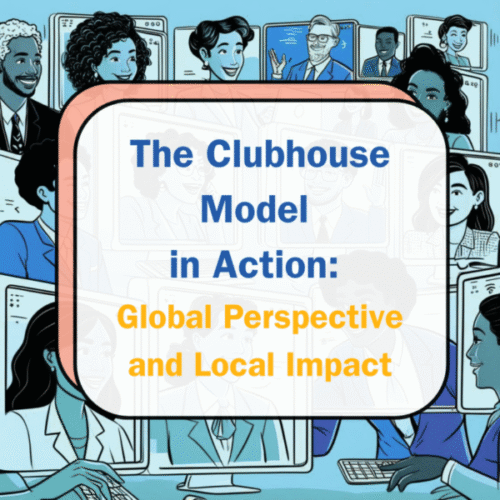
The Clubhouse Model in Action: Global Perspective and Local Impact

October 23, 2025 by Chelsey Gutierrez

November 4, 2025 @ 1:00 pm – 2:00 pm EST

Tuesday, November 4th, 2025

10:00 am PT / 11:00 am MT /
12:00 pm CT / 1:00 pm ET

This event is open to all!

Learn More & Register

Join the College for Behavioral Health Leadership (CBHL) for a special panel discussion exploring the Clubhouse model—a community-based, recovery-oriented approach that supports individuals living with mental illness through peer connection, meaningful work, and lifelong opportunity. Increasingly recognized worldwide, the model strengthens local systems of care by offering an evidence-based, person-centered pathway to engagement and recovery.

This one-hour webinar will feature diverse voices from across the Clubhouse International network, including:

  • An introduction to the Clubhouse model and its global standards
  • Firsthand perspectives from Clubhouse members and leaders on the impact of the model
  • Lived experience perspectives, including Coalition building and sharing implementation lessons

This interactive panel will equip attendees with a deeper understanding of how the Clubhouse model can complement behavioral health services and expand access to recovery-oriented care.

This webinar is free for CBHL members and $10 for non-members. It is open to all leaders, providers, and partners interested in innovative models to strengthen behavioral health systems. A recording will be shared with all registrants.


Meet the Speakers

Sarah DeSouza Brown

Program Officer, Clubhouse International

Sarah DeSouza Brown is a Program Officer at Clubhouse International, with over a decade of experience in the Clubhouse Model of psychosocial rehabilitation. Previously, she worked at Genesis Club in Massachusetts, one of the 12 Clubhouse International Training Centers. Sarah is passionate about advancing the mission of ending social and economic isolation for people with mental illness by supporting the growth and quality of Clubhouse programs worldwide.
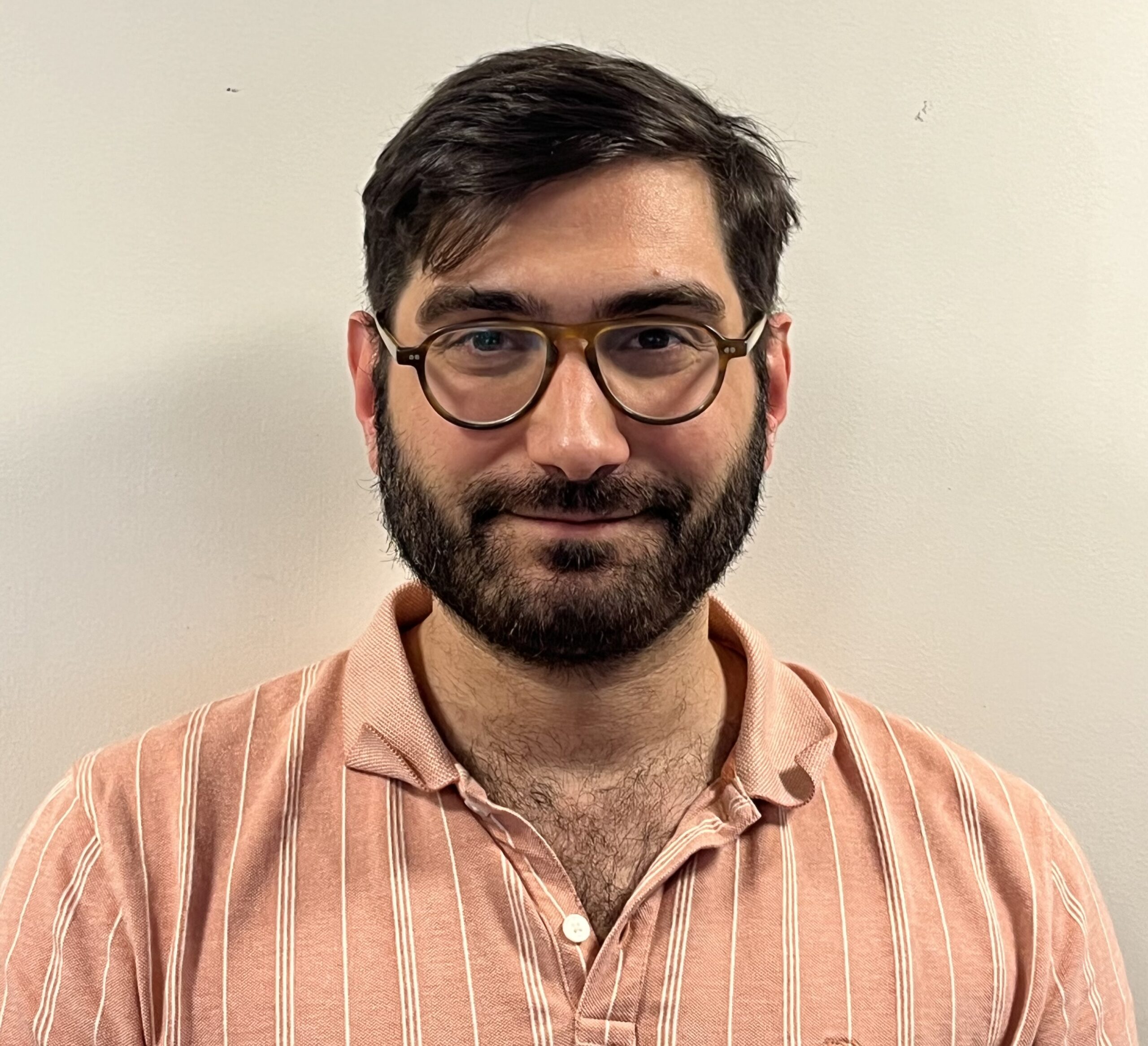
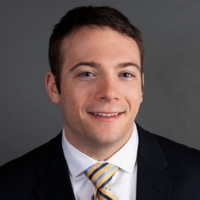
Tristan Chirico

Training Director, Fountain House

Tristan Chirico is the Training Director at Fountain House. Fountain House is one of 12 Clubhouse International Training Centers, providing education on the model to programs from around the world. Before taking on this role, Tristan worked for over four years as a social practitioner on the Education Unit. Prior to entering the mental health field, he spent half a decade teaching theater and philosophy to high school students. Tristan earned an MA in Psychology and Education from Columbia University Teachers College, and received his MSW from The Silberman School of Social Work at Hunter College. He is grateful to be able to spend is days working in a clubhouse and sharing knowledge about this transformative vision of supporting mental health through intentional community. 

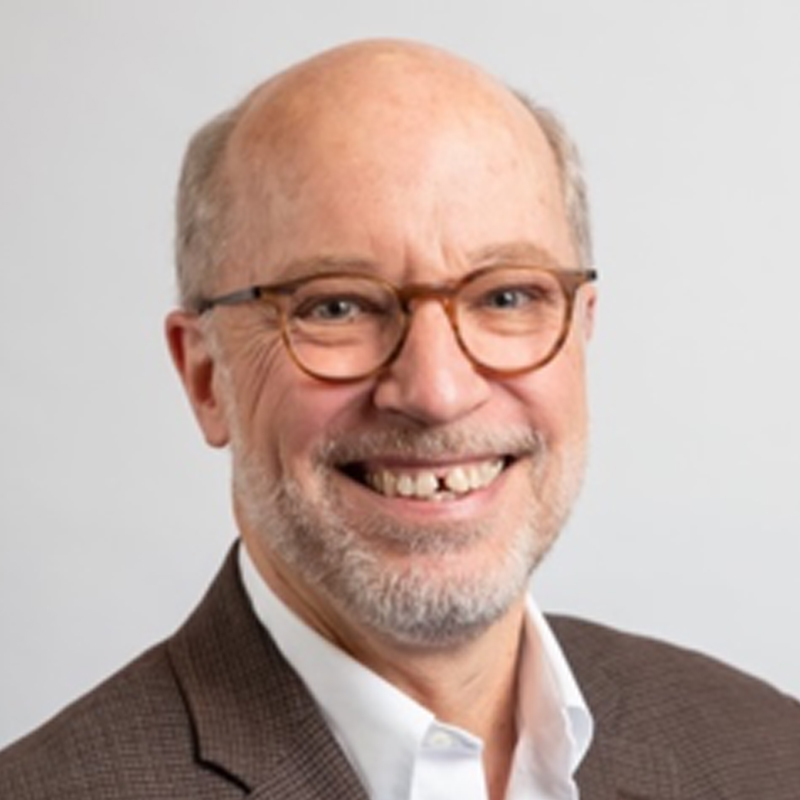
Michael Hamlin

Clubhouse Ohio Coalition Staff, Magnolia Clubhouse

Michael Hamlin entered the Clubhouse world in 2005 as a member of Fountain House in New York City. Inspired and supported to take advantage of the many opportunities for growth, he became immersed in the Clubhouse model and its history and has developed and facilitated Clubhouse training discussions all over the world. Michael has also been a member of the Clubhouse International Faculty and Advisory Council since 2015 and recently graduated Summa Cum Laude from CUNY City College with a bachelor’s degree in Sociology. He is currently working as Technical Assistance staff with Magnolia Clubhouse in Cleveland and the Clubhouse Ohio coalition to develop accredited Clubhouses across the state.

Megan “MC” Williams

Community Trainer, Fountain House NYC

Megan “MC” Williams has been working in the clubhouse world for ten years. She began working for Fountain House in 2015 and currently works as a Community Trainer with Fountain House in NYC. She has 10 years of experience working in the clubhouse world and has worked as a Social Practitioner in several units around the clubhouse. Throughout her time in the units, she developed a passion for learning more about this holistic approach to mental health and community based treatment.

MC has a Bachelor of Arts in Criminal Justice from a Russell Sage college in Troy, NY and a Masters in Social Work with a specialization in Addictions from Rutgers State University of Newark and is a Licensed Social Worker. MC has a passion for rehabilitation, therapeutic communities, and the clubhouse as well teaching, training, and helping others tap into their best selves.


Panel Moderator
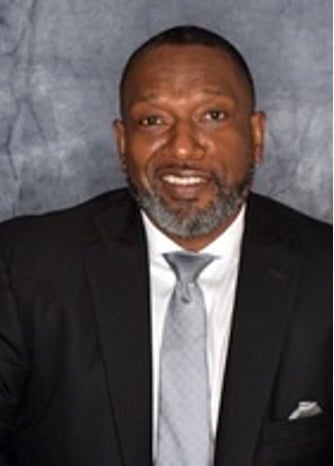
Victor Armstrong, MSW

Vice President for Health Equity and Engagement, American Foundation for Suicide Prevention

CBHL Board Member

Victor Armstrong serves as Vice President for Health Equity and Engagement with the American Foundation for Suicide Prevention. In addition, he is the National Director of Soul Shop for Black Churches, a workshop that teaches faith leaders how to minister to congregants that may be dealing with suicidal desperation. Victor previously served as Chief Health Equity Officer for North Carolina Department of Health & Human Services, with responsibility for leading the overarching strategy and operational goals to promote health equity, diversity, and inclusion across all the agency’s health and human services. Victor has also served as ‪Director of the NC Division of Mental Health, with responsibility and oversight of the public community-based mental health, intellectual and other developmental disabilities, substance use, and traumatic brain injury system in North Carolina. Prior to his NC state government roles, Victor spent six years as Vice President of Behavioral Health with Atrium Health. ‬‬‬‬‬‬‬

Victor has over 30 years of experience in human services, primarily dedicated to building and strengthening community resources to serve individuals who have been historically marginalized. ‬‬‬‬He is a nationally recognized speaker on issues regarding health equity and access to healthcare, particularly as it relates to individuals living with mental health challenges.‬‬‬‬‬‬‬‬‬‬‬‬‬‬‬‬‬‬

Victor currently serves on the steering committee of the National Action Alliance for Suicide Prevention. He also serves on the Board of Directors for RI International as well as the Board of Directors for I2I Center for integrative health. He is a member of the Board of Advisors for East Carolina University School of Social Work and is the host of the “Strong Talk” podcast.

Register Now

Tagged With: public events, webinar

Webinar | Reimagining Behavioral Health Financing for Resilient Systems

September 10, 2025 by Vicki Goutzoulis

October 2, 2025 @ 1:00 pm – 2:00 pm EDT


Thursday, October 2, 2025

10:00 am PT / 11:00 am MT /
12:00 pm CT / 1:00 pm ET

This event is open to all!

Learn More & Register

Financial planning in a time of massive federal health changes.

Join us for this briefing and discussion with national policy leaders on financing of behavioral health services in a time of extraordinary uncertainty. With proposed changes to the HHS budget and new pressures on Medicaid, Medicare, and block grants, behavioral health leaders are being called to plan boldly for a rapidly evolving landscape.

Across states, counties, and provider organizations, behavioral health leaders are facing a rapidly evolving landscape — one that demands not just adaptation, but bold, proactive action, including potential Medicaid financing changes. We will explore how local ecosystems can come together to make intentional, strategic decisions that drive meaningful change, even amid policy uncertainty and resource constraints.

Key themes will include:

  • Measuring Impact: Understanding and communicating the value of services to funders, legislators, and communities.
  • Prioritization Amid Uncertainty: Staying focused on what matters most while adapting to evolving federal and state policy environments.
  • Strategic Partnerships: Identifying service gaps and leveraging collaborations to expand reach and effectiveness.
  • Efficiency & Effectiveness: Meeting growing behavioral health needs even as resources shift or shrink.
  • Cross-Sector Collaboration: Moving from passive coordination to active alignment around shared goals.
  • Coordinated Advocacy: Building a unified voice to advance behavioral health priorities and diversify funding.
  • Proactive Leadership: Pivoting from reactive to forward-thinking strategies to avoid being left behind.
  • Opportunity Framing: Reframing perceived roadblocks as openings for innovation, collaboration, and growth.

Participants will leave with insights on how to lead with clarity, build resilient partnerships, and tell a compelling story that strengthens their case for investment and support — all while navigating the complexities of today’s behavioral health environment.


Meet the Speakers

Jonah Cunningham, MPP

President/CEO
NACBHDD

CBHL Board Member

Jonah C. Cunningham currently serves as President and CEO of the National Association of County Behavioral Health and Developmental Disability Directors (NACBHDD). In this role he proactively advocates for national policies that recognize and support the critical role counties play in caring for people affected by mental illness, addiction, and developmental disabilities. In this capacity he also serves as Executive Director of the National Association for Rural Mental Health.

Prior to joining NACBHDD, Jonah worked at Trust for America’s Health, a public health think tank, where he focused extensively on ways to reduce mortality from substance misuse and suicide. Additionally, he worked as a congressional staffer for several years in the office of Congresswoman Grace F. Napolitano (CA) where he helped to reestablish the Congressional Mental Health Caucus and created a Suicide Prevention Task Force within the Caucus.

Jonah C. Cunningham has received numerous awards and recognition for his commitment to the field of behavioral health and those served by the nation’s behavioral health system. Jonah has a Bachelor of Science in Political Science from the University of Utah and a Master of Public Policy from The George Washington University. In his free time, he enjoys learning how to cook and is an avid Jiu-Jitsu practitioner.

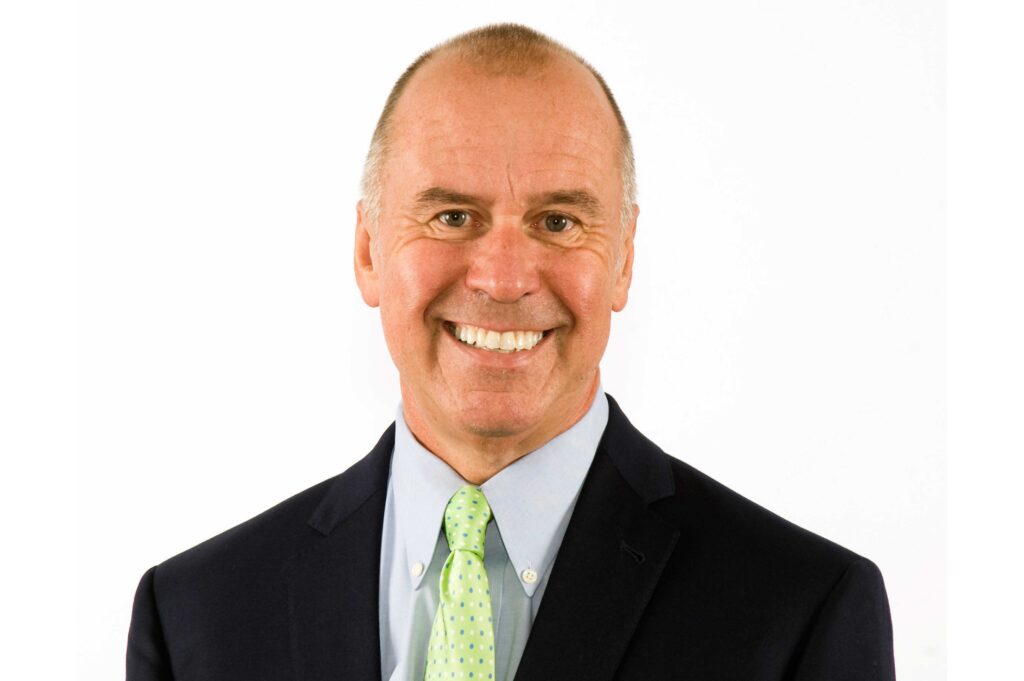
Richard Dougherty, PhD

President, BasicNeeds US

CBHL Board Treasurer

Dr. Richard Dougherty is President of the non-profit organization BasicNeeds US and recently retired, after 35 years of leading DMA Health Strategies, a national behavioral health policy and research organization. Dick is particularly pleased that DMA now has reorganized into a worker and woman owned cooperative.

As President of BasicNeeds US, a 501(c)(3) non-profit, Dick volunteers all his time and provides support for effective and recovery-driven, global mental health policy, with a particular focus on low-income countries. He leads fundraising, grant-making, advocacy and technical assistance with a network of BasicNeeds programs and with global advocates. He advises numerous national organizations, has published extensively, sits on several boards and received the 2011 Walter Barton Distinguished Fellow Award from The College of Behavioral Health Leadership.

Dr. Dougherty went to Colgate University, the School of Social Service Administration at the University of Chicago and received his Ph.D. in Applied Social Psychology from Boston University.

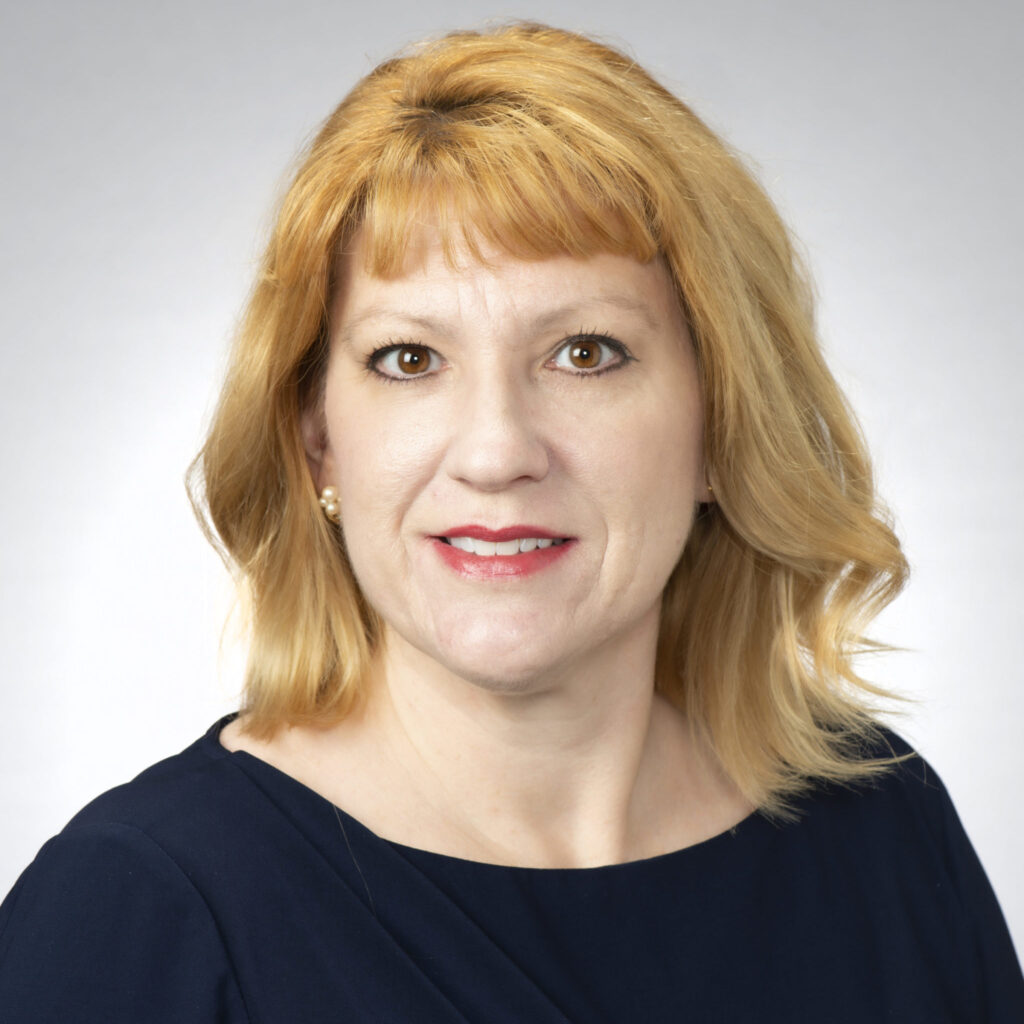
Monica Johnson, MA, LPC

Managing Director, Health Management Associates

A skilled state and federal government executive, Monica Johnson has over 25 years of experience in the behavioral health field. Leveraging her expertise, she has directed numerous behavioral health service areas at the government policy level, has led the formation of several high-profile change initiatives, chaired several collaborations, and served as a board member for a variety of governing boards.

Before joining Health Management Associates, Monica served as the first director of the 988 & Behavioral Health Crisis Coordinating Office at the Substance Abuse and Mental Health Services Administration (SAMHSA) and the U.S. Health & Human Services Department (HHS). In this role, she was responsible for overseeing SAMHSA’s primary aspirations regarding the launch of the three-digit number, 988 and enhancing broader behavioral health crisis services.

In addition to her experience at the federal level, Monica has over a decade of state-level experience. Most recently, she served as the interim commissioner for the Georgia Department of Behavioral Health & Developmental Disabilities (DBHDD). Prior to this appointment by Governor Brian Kemp, she served in other key leadership roles at DBHDD as the Behavioral Health division director, the Community Mental Health director, and the Child & Adolescent Mental Health director.

Gina Lasky, PhD, MAPL

Senior Advisor, Health Management Associates

Gina Lasky is a licensed psychologist with expertise in public sector behavioral health system design and programming including integration of behavioral health and primary care. She evaluates organizational readiness for integration and guides development and implementation of new models of collaborative care for delivery systems, county health systems, community behavioral health centers, and state corrections agencies.

She has examined state policy and administrative barriers to integrated care and has published work on leadership and team development in integrated care with the Center for Integrated Health Solutions and the American Psychiatric Association. She is co-editor of Integrated Care: A Guide to Effective Implementation for the American Psychiatric Association.

In addition to her experience at the federal level, Monica has over a decade of state-level experience. Most recently, she served as the interim commissioner for the Georgia Department of Behavioral Health & Developmental Disabilities (DBHDD). Prior to this appointment by Governor Brian Kemp, she served in other key leadership roles at DBHDD as the Behavioral Health division director, the Community Mental Health director, and the Child & Adolescent Mental Health director.


Register Now

Tagged With: webinar

Webinar | Future-Ready Leadership: Planning for Stability Not Surprises

August 14, 2025 by Vicki Goutzoulis

September 25, 2025 @ 11:00 am – 12:00 pm EDT


Thursday, September 25, 2025

10:00 am PT / 11:00 am MT /
12:00 pm CT / 1:00 pm ET

This event is open to all!

Learn More & Register

Change is constant, but nonprofit missions must endure. This session introduces a practical approach to building leadership continuity and organizational resilience without overwhelming staff or boards. It also addresses staffing uncertainties driven by funding cuts and the need for potential reductions in force (RIFs), offering strategies to navigate these challenges with stability and care. Learn techniques that will help protect your mission in times of constant change.

Participants Will Be Able To:

  • Apply tools and practices that foster a proactive planning culture
  • Identify five key planning elements that build long-term organizational resilience
  • Explain how investing in staff retention and quality leadership strengthens loyalty, performance, and continuity
  • Recognize the impact of universal motivators on organizational effectiveness

Meet the Presenter

Kara Hill, DHA, MHA, BSSW 
Consultant | Healthcare & Non-Profit Strategist | WildBlue Health 

Kara Hill is a consultant with WildBlue Health, bringing over 25 years of experience guiding nonprofit and health systems through change, leadership transitions, and strategic growth. She partners with organizations to strengthen leadership continuity, advance workforce strategies, and align operations with community need; grounded in a commitment to equity and mission impact. 

Kara’s background spans executive leadership in community-based organizations and charitable clinics, integration of behavioral health into primary care, and development of sustainable workforce and value-based care models. She is known for her practical, systems-thinking approach, helping leaders anticipate challenges, operationalize solutions, improve operations, and foster high-performing, resilient teams. 

She holds a Doctor of Health Administration from Oklahoma State University, a Master of Health Administration from Texas A&M University, and a Bachelor’s in Social Work from Bowling Green State University. 


Register Now

Tagged With: webinar

Member Discussion | A Transformational Discussion with Zero Overdose: Overdose Safety Planning

July 24, 2025 by Vicki Goutzoulis

August 15, 2025 @ 1:00 pm – 2:00 pm EDT


Friday, August 15, 2025

10:00 am PT / 11:00 am MT /
12:00 pm CT / 1:00 pm ET

This event is open to CBHL members.

Following the foundational overview in Part 1, this members-only session offers a deeper dive into the application of overdose safety planning in real-world settings. Together, we’ll explore the nuances, challenges, and breakthroughs that arise when implementing safety planning strategies across diverse systems and communities.

Learn More & Register

Whether you’re piloting a new initiative, strengthening an existing program, or exploring how to bring this work into your organization, this space is designed to support honest conversation and collective growth.

Note: attendance at part 1 is not mandatory for members to attend this session. If members would like to view a recording of part 1 prior to attending this session, you may access it here.


Register Now

Speaker Information

Virna Little, PsyD, LCSW-R, MBA, CCM, SAP
Co-Founder and CEO of Zero Overdose

Dr. Virna Little is a distinguished leader in behavioral health integration. She is the co-founder of Concert Health, a behavioral health medical group which provides Collaborative Care to organizations across 21 states. Dr. Little is also the Co-Founder and CEO of Zero Overdose, a national non-profit focused on overdose safety planning to reduce unintentional overdose events and deaths. Dr. Little has served as a member of the national Zero Suicide faculty and a consultant who was fostered the development of integrated delivery systtems nationally in all 50 states and internationally. Dr. Little holds a Doctoral degree in Psychology, and a Master’s in Social Work. 

A nationally and internationally recognized speaker, Dr. Little has presented on suicide prevention strategies at the White House . She has received numerous awards for her work in integrating primary care and behavioral health and serves on multiple boards.

Jorge Petit, MD
Strategy and Development Advisor at Zero Overdose

Jorge R. Petit, MD is a board-certified Adult, Community, and Public Psychiatrist and seasoned healthcare executive with over 30 years of experience driving innovation and transformation across behavioral health and human services systems, with a focus on marginalized and vulnerable populations.

He is the Founder and CEO of Quality Healthcare Solutions (QHS), a consulting and advisory firm supporting healthcare systems, community-based organizations, emerging tech start-ups, and regulators. QHS specializes in strategic planning, board and C-suite leadership, workforce development (including DEIBA), data and quality improvement, and integrated care initiatives such as Crisis Services and Certified Community Behavioral Health Clinics (CCBHCs). Dr. Petit is a nationally recognized thought leader, speaker, author, and bilingual/bicultural advocate for behavioral health equity.

Dr. Petit serves as Strategic and Development Advisor to Zero Overdose, Chief Clinical Advisor to Cantata Health Solutions, and Clinical Advisor to Emotivo Health, Metta Health, and Verity Health. He also serves on several national boards and advisory groups, including SAMHSA’s CSAT National Advisory Council, Cantata Health Solutions, Primary Care Development Corporation (PCDC), and Mental Health News Education (MHNE). He is a member of the Group for the Advancement of Psychiatry’s Committee on Psychiatric Administration & Leadership, United Hospital Fund’s Health Policy Forum, and the Medical Director Institute of the National Council for Mental Wellbeing.

He has held executive leadership roles across government, managed care, hospital systems, and community-based organizations. Dr. Petit is the author of Handbook of Emergency Psychiatry and The Seven Beliefs: A Step-by-Step Guide to Help Latinas Recognize and Overcome Depression. He has been recognized with numerous honors, including the 2023 Marquis Who’s Who Honoree, Crain’s 2022 Notable LGBTQ Leader, City & State NY’s 2022 Nonprofit Power 100, and Responsible 100.

Tagged With: webinar

Webinar | Staying the Course: Expanding Access to Behavioral Health Support for All

June 13, 2025 by Vicki Goutzoulis

July 16, 2025 @ 11:00 am – 12:00 pm EDT


Wednesday, July 16, 2025

8:00 am PT / 9:00 am MT /
10:00 am CT / 11:00 am ET

This event is open to all!

Learn More & Register

Everyone should have the opportunity to access the behavioral health care and support they need to thrive. Yet, in many communities, access remains unevenly shaped by geography, stigma, and policy barriers. For national organizations and those working in community settings that are underserved or under resourced, advancing this work requires clarity, adaptability, and a shared commitment to fairness. This webinar will highlight actionable strategies to strengthen behavioral health programs, build trust across diverse communities, and communicate shared values that keep people at the center, no matter the setting.


Meet the Presenters

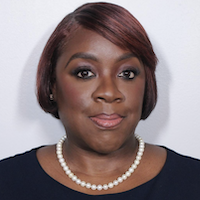
Vic Armstrong, MSW
Vice President for Health Equity and Engagement, American Foundation for Suicide Prevention
CBHL Board Member

Victor Armstrong serves as Vice President for Health Equity and Engagement with the American Foundation for Suicide Prevention. In addition, he is the National Director of Soul Shop for Black Churches, a workshop that teaches faith leaders how to minister to congregants that may be dealing with suicidal desperation. Victor previously served as Chief Health Equity Officer for North Carolina Department of Health & Human Services, with responsibility for leading the overarching strategy and operational goals to promote health equity, diversity, and inclusion across all the agency’s health and human services. Victor has also served as ‪Director of the NC Division of Mental Health, with responsibility and oversight of the public community-based mental health, intellectual and other developmental disabilities, substance use, and traumatic brain injury system in North Carolina. Prior to his NC state government roles, Victor spent six years as Vice President of Behavioral Health with Atrium Health. ‬‬‬‬‬‬‬

Victor has over 30 years of experience in human services, primarily dedicated to building and strengthening community resources to serve individuals who have been historically marginalized. ‬‬‬‬He is a nationally recognized speaker on issues regarding health equity and access to healthcare, particularly as it relates to individuals living with mental health challenges.‬‬‬‬‬‬‬‬‬‬‬‬‬‬‬‬‬‬

Victor currently serves on the steering committee of the National Action Alliance for Suicide Prevention. He also serves on the Board of Directors for RI International as well as the Board of Directors for I2I Center for integrative health. He is a member of the Board of Advisors for East Carolina University School of Social Work and is the host of the “Strong Talk” podcast.
Victor’s awards and recognitions include:

  • Living Waters Annual Mental Health Summit 2022 “Lifetime Mental Health Champion” Award
  • National Association of Social Workers North Carolina (NASW-NC) 2022 Social Worker of the Year
  • Addiction Professionals of NC (APNC) 2021 DEI Leadership & Impact Award
  • Mental Health America’s 2021 H. Keith Brunnemer, Jr. Award for “Outstanding Mental Health Leadership”
  • Black Mental Health Symposium 2019 Mental Health Advocate of the Year
  • East Carolina University School of Social Work 2018 Distinguished Alumni Award
  • National Alliance on Mental Illness (NAMI) NC, 2012 Mental Health Professional of the Year

Victor graduated, Magna Cum Laude, from North Carolina Central University with a bachelor’s degree in business management and received his MSW from East Carolina University. He is the husband of Dr. Charletta Armstrong and the father of three sons, Carter, Alonzo, and Victor Jr.

Arthur C. Evans, Jr., Ph.D.
CEO of American Psychological Association

Described as a visionary and transformational leader, policymaker and health care innovator, Arthur C. Evans Jr., PhD, is CEO of the American Psychological Association, the leading scientific and professional organization representing psychology in the United States. Evans previously served in public policy positions in Philadelphia and Connecticut, where he led the transformation of their behavioral health systems and their approaches to serving a wide range of individuals with complex needs. Evans has employed science, research, community activism, spirituality, traditional clinical care, policy and cross-system collaborations to change the status quo around behavioral health. He has held faculty appointments at Yale University’s and the University of Pennsylvania’s Schools of Medicine, and is the author or co-author of over 60 peer-reviewed research articles, chapters, reviews and editorials. Over the years Evans has received national and international recognition, including prestigious awards in government, healthcare service, visionary leadership, actionable advocacy, equity and social justice.

Moderator

Marcy Melvin, MA
Senior Vice President of Clinical Policy and Deputy Director of The Hackett Center for Mental Health at Meadows Mental Health Policy Institute
CBHL Board President-Elect

Marcy Melvin is a pivotal executive with over 25 years of experience in behavioral health policy, training, and clinical practice. As a Licensed Professional Counselor in Texas her experience includes providing direct clinical and supervisory services to children, youth, parents, and young adults in various clinical settings including residential, in-home, outpatient, private practice, primary, secondary, and post-secondary locations. Marcy is extremely passionate about advancing health equity and reducing disparities and disproportionality; this has been a culmination of her life’s work in various clinical, organizational and systems settings.

Marcy has a Bachelor of Science in Psychology from Xavier University of Louisiana and a Master of Arts in Clinical Psychology from Fisk University.


Register Now

Tagged With: webinar

Webinar | Zero Overdose in Action: How Partnerships Drive Prevention

June 13, 2025 by Vicki Goutzoulis

July 22, 2025 @ 4:00 pm – 5:00 pm EDT


Tuesday, July 22, 2025

1:00 pm PT / 2:00 pm MT /
3:00 pm CT / 4:00 pm ET

This event is open to all!

Join us for an engaging session with Zero Overdose, a national nonprofit dedicated to preventing overdose events by expanding access to overdose safety planning and education for individuals and communities at work.

Learn More & Register

This webinar will explore:

  • Who we are: An overview of Zero Overdose’s mission, values, and work
  • Why it matters: The critical role of overdose safety planning in saving lives
  • How we can work together: Concrete partnership opportunities for organizations, systems, and individuals looking to make an impact

Whether you’re a service provider, policymaker, advocate, or systems leader, this session will offer insights into how you can align with the Zero Overdose framework to enhance your response to the overdose crisis.

This is Part 1 of a two-part series.

Part 2 will be a more intimate, members-only conversation focused on overdose safety planning in practice — a space for deeper discussion, reflection, and shared learning. Join us on Friday, August 15th at 10am PT / 1pm ET for Part 2: A Transformational Discussion with Zero Overdose: Overdose Safety Planning.


Register Now

Speaker Information

Virna Little, PsyD, LCSW-R, MBA, CCM, SAP
Co-Founder and CEO of Zero Overdose

Dr. Virna Little is a distinguished leader in behavioral health integration. She is the co-founder of Concert Health, a behavioral health medical group which provides Collaborative Care to organizations across 21 states. Dr. Little is also the Co-Founder and CEO of Zero Overdose, a national non-profit focused on overdose safety planning to reduce unintentional overdose events and deaths. Dr. Little has served as a member of the national Zero Suicide faculty and a consultant who was fostered the development of integrated delivery systtems nationally in all 50 states and internationally. Dr. Little holds a Doctoral degree in Psychology, and a Master’s in Social Work. 

A nationally and internationally recognized speaker, Dr. Little has presented on suicide prevention strategies at the White House . She has received numerous awards for her work in integrating primary care and behavioral health and serves on multiple boards.

Jorge Petit, MD
Strategy and Development Advisor at Zero Overdose

Jorge R. Petit, MD is a board-certified Adult, Community, and Public Psychiatrist and seasoned healthcare executive with over 30 years of experience driving innovation and transformation across behavioral health and human services systems, with a focus on marginalized and vulnerable populations.

He is the Founder and CEO of Quality Healthcare Solutions (QHS), a consulting and advisory firm supporting healthcare systems, community-based organizations, emerging tech start-ups, and regulators. QHS specializes in strategic planning, board and C-suite leadership, workforce development (including DEIBA), data and quality improvement, and integrated care initiatives such as Crisis Services and Certified Community Behavioral Health Clinics (CCBHCs). Dr. Petit is a nationally recognized thought leader, speaker, author, and bilingual/bicultural advocate for behavioral health equity.

Dr. Petit serves as Strategic and Development Advisor to Zero Overdose, Chief Clinical Advisor to Cantata Health Solutions, and Clinical Advisor to Emotivo Health, Metta Health, and Verity Health. He also serves on several national boards and advisory groups, including SAMHSA’s CSAT National Advisory Council, Cantata Health Solutions, Primary Care Development Corporation (PCDC), and Mental Health News Education (MHNE). He is a member of the Group for the Advancement of Psychiatry’s Committee on Psychiatric Administration & Leadership, United Hospital Fund’s Health Policy Forum, and the Medical Director Institute of the National Council for Mental Wellbeing.

He has held executive leadership roles across government, managed care, hospital systems, and community-based organizations. Dr. Petit is the author of Handbook of Emergency Psychiatry and The Seven Beliefs: A Step-by-Step Guide to Help Latinas Recognize and Overcome Depression. He has been recognized with numerous honors, including the 2023 Marquis Who’s Who Honoree, Crain’s 2022 Notable LGBTQ Leader, City & State NY’s 2022 Nonprofit Power 100, and Responsible 100.

Tagged With: webinar

Webinar | Reorganization, Rescission, & Budget Resolutions: A Federal Policy Update on Behavioral Health

May 1, 2025 by Vicki Goutzoulis

May 12, 2025 @ 11:00 am – 12:00 pm EDT


Monday, May 12, 2025

11:00 am PT / 12:00 pm MT /
1:00 pm CT / 2:00 pm ET

This event is open to all!

This timely webinar offers behavioral health professionals, administrators, and advocates a comprehensive update on recent federal policy changes affecting mental health and substance use disorder services.

Learn More & Register

Jonah Cunningham, President and CEO of National Association of County Behavioral Health and Developmental Disability Directors (NACBHDD) will provide context and background on current policy developments on the federal level including budget rescissions, the proposed restructuring of key agencies, and legislative actions that impact behavioral health funding and service delivery. Attendees will be given timely information on how recent policy developments may affect their organizations and communities as well as resources for engagement.

Key Outcome:

Policy Navigation Framework: Participants will receive a clear understanding of recent federal budget resolutions, rescission measures, and reorganization efforts affecting behavioral health programs, with specific attention to funding streams, reporting requirements, and compliance timelines.


Register Now

Speaker Information

Jonah C. Cunningham currently serves as President and CEO of the National Association of County Behavioral Health and Developmental Disability Directors (NACBHDD).  In this role he proactively advocates for national policies that recognize and support the critical role counties play in caring for people affected by mental illness, addiction, and developmental disabilities.  In this capacity he also serves as Executive Director of the National Association for Rural Mental Health.   

Prior to joining NACBHDD, Jonah worked at Trust for America’s Health, a public health think tank, where he focused extensively on ways to reduce mortality from substance misuse and suicide.  Additionally, he worked as a congressional staffer for several years in the office of Congresswoman Grace F. Napolitano (CA) where he helped to reestablish the Congressional Mental Health Caucus and created a Suicide Prevention Task Force within the Caucus.   

Jonah C. Cunningham has received numerous awards and recognition for his commitment to the field of behavioral health and those served by the nation’s behavioral health system. Jonah has a Bachelor of Science in Political Science from the University of Utah and a Master of Public Policy from The George Washington University.  In his free time, he enjoys learning how to cook and is an avid Jiu-Jitsu practitioner. 

Tagged With: webinar

Synergy in Action: Bringing Concepts Beyond DEI into the Mental Health Workplace

October 4, 2024 by Vicki Goutzoulis

Synergy in Action: Bringing Concepts Beyond DEI into the Mental Health Workplace

January 14, 2025 @ 1:00 pm – 2:00 pm EST

Join us to learn how to integrate DEI with wellbeing into the very fabric of mental health workplaces through the powerful concept of “Synergy”. This experiential webinar will demonstrate creativity and agency to cultivate a more supportive and effective system for both the workforce and those they serve.

Register via Zoom

Synergy is the energy that we feel when we just know that healing is happening. According to Dr. Richard Katz, “Synergy is out there. The universe is synergistic. We just haven’t learned to open ourselves to it.”

The goals of this webinar are to:

  • increase understanding about the concept of Synergy, a philosophy of Diversity, Equity, and Inclusion integrated with Wellbeing, 
  • exemplify taking responsibility for wellness at each level of a mental health system – from clients to the workforce to the system as a whole. 
  • learn how to nurture Synergy in action in our current mental health care systems, 
  • and identify ways we can collectively work towards transforming mental health care towards more Synergistic approaches in each of our contexts.

Participants will learn about the definition and history of the concept of synergy, including the major strands of synergy in action, and discuss examples of synergy in action on individual, interpersonal, and collective levels.  Participants will be able to interact with the presentation through discussion questions throughout. 

This event is open to all!

Tuesday, January 14, 2025
10:00 am PT / 11:00am MT / 12:00pm CT / 1:00 pm ET

Register via Zoom

About Stepped Care Solutions

Stepped Care Solutions (SCS) is a mission-driven not-for-profit organization, and the creators of Stepped Care 2.0 (SC2.0©) – an innovative and transformative model that leverages collaborative efforts and technology to transform mental health and substance use health systems for better access and outcomes. SCS exists to help organizations and communities reframe, rethink, and redesign the delivery of mental health care services.

Bolstered by principles and driven by evidence, SCS collaborates with government, business, health care, and more, to promote and implement an equitable and visionary approach to mental health care, and ensure every individual receives care that is uniquely suited to their needs.

Recommended reading: 

Stepped Care 2.0: The Power of Conundrums 1st ed. 2023 Edition

Indigenous Healing Psychology: Honoring the Wisdom of the First Peoples 2017

Synergy, Healing, & Empowerment: Insights from Cultural Diversity

Defining Synergy | Dr. Gillian Berry(video)

Speaker Information

Dr. Gillian Berry, Senior Advisor of Culture & Workforce Development

Dr. Gillian Berry is Senior Advisor of Culture & Workforce Development at Stepped Care Solutions. She is a published author and a clinical social worker, with over 35 years of experience as an educator and practitioner. She has overseen the counseling and psychological services at George Washington University, leading a multidisciplinary team of mental health professionals through the implementation of the Stepped Care 2.0 approach into their service delivery. She has been a faculty member at the University of Botswana’s Department of Social Work Southern Africa and the University of Maryland School of Social Work. Her clinical interests are strongly influenced by her grandfather’s Indigenous philosophy, and she provides short-term solution-focused services/therapy from this perspective.

Dr. Catie Greene, Faculty of Culture & Workforce Development

Catie Greene, PhD, LPC is a counselor educator and supervisor.  Catie has worked as a clinician in college counseling centers and group practice, and an educator in Clinical Mental Health Counseling graduate programs for over 11 years and joined Stepped Care Solutions as a faculty consultant on synergy, beyond diversity, equity, and inclusion in 2020. Catie’s research and practice is grounded in Relational Cultural Theory. 

Register via Zoom

CBHL

View Organizer Website

info@leaders4health.org

Tagged With: webinar

Workforce Solutions Jam | Payment Reform

June 21, 2024 by Vicki Goutzoulis

Workforce Solutions Jam | Payment Reform

The Promise and Potential of Value Based Purchasing for a Thriving Workforce 

Tuesday, August 20, 2024 | 10:00 am PT / 11:00 am MT / 12:00 pm CT / 1:00 pm ET
Event Length: One Hour

Join us on Tuesday, August 20 for our next Workforce Solutions Jam! The Workforce Solutions Jam is a monthly webinar to build national momentum and encourage collaboration through the Center for Workforce Solutions.

The Workforce Solutions Jam will provide an opportunity to:

  • Learn innovative new practices
  • Stay informed about ongoing efforts
  • Engage with subject matter experts
  • Hear about new legislation and/or federal workforce efforts
  • Take action!
Register Now

Payment is a primary lever for addressing gaps in equity of behavioral health salaries, building pathways for the future workforce and creating reimbursement that supports an expanded workforce. Shifting incentives to focus on outcomes rather than volume can improve job satisfaction and retention by enabling providers to spend more time with patients, engaging in comprehensive care coordination, and participating in integrated care teams.  Payment reform can ensure more stable and predictable funding streams, allowing organizations to invest in workforce development, training, and innovative care approaches, ultimately leading to a more effective and thriving behavioral health workforce. 

Key highlights of this webinar include: 

  • Learn what value-based purchasing really means and its potential to improve outcomes and reduce administrative burden. 
  • Explore the role of emerging payment and delivery reforms in addressing workforce challenges, aligning quality measurement, behavioral health integration with primary care, and supporting whole person health.   
  • Understand how states have typically structured alternative payment models (APMs) for behavioral health services and considerations for new APM efforts for care coordination offered by behavioral health providers. 
  • Discuss how managed care organizations have worked with behavioral health provider organizations to structure APMs and how behavioral health providers have responded to these efforts. 
  • Review value-based payment initiatives implemented by a health insurance company in Pennsylvania focused on the success of providers, stabilization of workforce, and achievement of improved outcomes. 
  • Learn how behavioral health providers in Minnesota are building and implementing value-based delivery and payment strategies through the state’s Integrated Health Partnership, the state’s only dedicated Behavioral Health accountable care organizational model.

Speaker Information

Lori Fertall is the Director of Value-Based Programs at Community Care Behavioral Health, a non-profit behavioral health managed care organization that is part of the Insurance Services Division of UPMC headquartered in Pittsburgh, Pennsylvania. In this position, she is responsible for the creation, implementation, evaluation, and reporting of value-based purchasing arrangements with behavioral health providers. Previously as Community Care’s Director of Quality Management, she implemented quality management programs and performance improvement projects across the company and its provider networks. She regularly presents to a variety of local and national audiences at conferences on topics such as value-based purchasing, quality improvement, and payer/provider relationships. Prior to joining Community Care, Lori worked at various health and human service agencies in clinical and program development roles. She earned a master’s degree in Business Administration from Point Park University, a bachelor’s degree in Social Work and Women’s Studies from West Virginia University, and a Lean Six-Sigma Green Belt from UPMC.  

John O’Brien has more than 30 years of experience in behavioral health systems design, financing, and implementation. He has worked with Medicaid, mental health, and substance abuse authorities in numerous states to develop federal Medicaid waivers, Medicaid state plan amendments, and federal grant applications. A former Senior Consultant at TAC, Mr. O’Brien directed the organization’s work on substance use disorders (SUDs) with an emphasis on helping states increase access to services, integrate SUD treatment and primary care, and reduce unnecessary costs by using Medicaid and other sources to support effective systems. He was the subject matter expert for several states in their efforts to implement systems of care for children and families with serious mental health conditions and on community integration strategies for adults with serious mental illness.

Mr. O’Brien has worked for the U.S. Department of Health and Human Services in leadership roles with the Centers for Medicare and Medicaid Services (CMS) and the Substance Abuse and Mental Health Services Administration (SAMHSA). At CMS, he led the Innovation Accelerator Program for Substance Use Disorder and Primary and Mental Health Integration and coordinated the agency’s efforts on developing guidance regarding parity for Medicaid and the Children’s Health Insurance Program. Mr. O’Brien played a significant role in the implementation of Medicaid expansion under the Affordable Care Act and in developing the Home and Community Based Services regulations. At SAMHSA, he was Senior Advisor to the Administrator on Health Care Reform. 

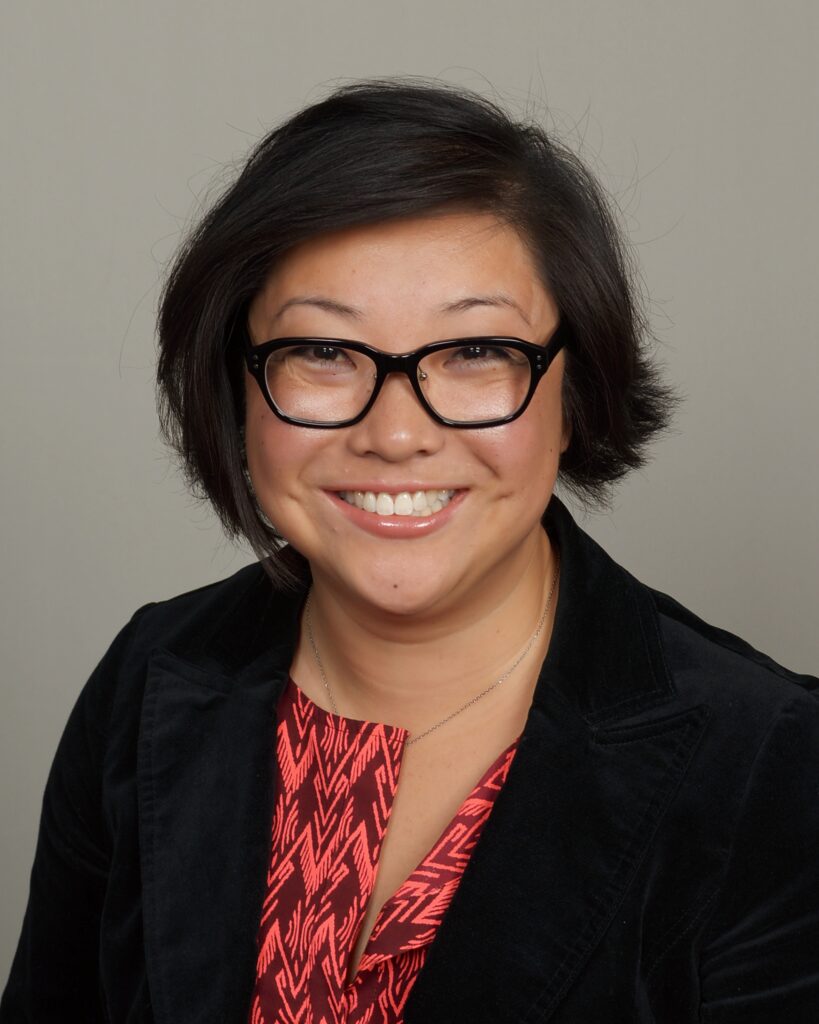
Jin Lee (Jinny) Palen is the Executive Director of the Minnesota Association of Community Mental Health Programs (MACMHP) and Convergence Integrated Care, a clinically integrated network of community mental health centers across Minnesota. Her background includes public health research and analysis, community engagement, legislative advocacy, government relations, public policy, and community leadership. Prior to her role with MACMHP, Jinny was Minnesota Association of Community Health Centers (MNACHC) Public Policy Staff. Jinny stays active in her local neighborhood community clinic and AAPI community. Jinny worked for the Minnesota Department of Health in the Health Economics Program, Tobacco Prevention and Control, and the Legislative Affairs Office. Jinny was a Legislative Policy Fellow of the Partners for the Americas Policy Exchange Fellowship in 2014. She has a Bachelor of Arts in Biology from the College of Saint Benedict, St. Joseph MN, and a Master of Public Health degree from the University of Minnesota.  

Samantha Repka is a Research Associate at the Duke-Margolis Institute for Health Policy where she focuses on issues related to care delivery and payment reform, behavioral health including substance use disorder, and other public health issues.  Previously, Samantha worked at the New York City Department of Health and Mental Hygiene, where she served as a Director of Public Policy. Prior to her time in NYC, she was a Senior Manager at AcademyHealth and a Teach for America Corps Member. She holds a Master of Science in Public Health and a Bachelor of Science in Public Health from the University of North Carolina at Chapel Hill.


Background

The National Council for Mental Wellbeing launched the Center for Workforce Solutions in 2023 in partnership with The College for Behavioral Health Leadership and Health Management Associates. The partnership is leveraging Collective Impact to address the workforce crisis, and using a cross-sector approach to address the long-standing challenges for expanding and solidifying the behavioral health workforce.


August 20, 2024 @ 1:00 pm – 2:00 pm EDT

Tagged With: webinar, workforce solutions jam

Webinar | Nothing About Us Without Us: Why Civic Engagement is Critical for Behavioral Health Progress 

June 7, 2024 by Vicki Goutzoulis

July 10, 2024 @ 11:00 am – 12:00 pm EDT

Register

2024 is an election year in America where the future of our country will be written. In November people nationwide will go to the polls to vote for their representatives, to consider ballot initiatives, and to engage in a critical exercise in democracy.   

It is also a reminder of that civic engagement begins before the ballot box and continues afterwards.  Political processes can have real effects on behavioral health policy. While much progress has been made in recent years through the establishment and growth of initiatives like 988, Certified Community Behavioral Health Clinics (CCBHCs), and school-based mental health, it is not guaranteed.  That is why it is critical to remain informed and engaged in civic proceedings.   

Join CBHL and NACBHDD as we highlight efforts to increase civic participation and provide an overview of the federal policy process to help make you a more informed advocate. Through understanding the policy processes and ensuring all voices are heard, we can help build a more equitable and fair behavioral health system. 

This event is open to all!


When: Wednesday, July 10, 2024

8:00 am – 9:00 am PT / 9:00 am – 10:00 am MT /
10:00 am – 11:00 am CT / 11:00 am – 12:00 pm ET

Speakers:

Jonah C. Cunningham, President and CEO, National Association of County Behavioral Health and Developmental Disability Directors (NACBHDD) 

Kelly Davis, Vice President of Peer and Youth Advocacy, Mental Health America 

Brandon Graham, Director of Advocacy, Government Relations, Policy & Advocacy, National Alliance on Mental Illness (NAMI) 

Vesper Moore, COO, Kiva Centers (TTC) 

Register

Speaker Information

Jonah C. Cunningham currently serves as President and CEO of the National Association of County Behavioral Health and Developmental Disability Directors (NACBHDD).  In this role he proactively advocates for national policies that recognize and support the critical role counties play in caring for people affected by mental illness, addiction, and developmental disabilities.  In this capacity he also serves as Executive Director of the National Association for Rural Mental Health.   

Prior to joining NACBHDD, Jonah worked at Trust for America’s Health, a public health think tank, where he focused extensively on ways to reduce mortality from substance misuse and suicide.  Additionally, he worked as a congressional staffer for several years in the office of Congresswoman Grace F. Napolitano (CA) where he helped to reestablish the Congressional Mental Health Caucus and created a Suicide Prevention Task Force within the Caucus.   

Jonah C. Cunningham has received numerous awards and recognition for his commitment to the field of behavioral health and those served by the nation’s behavioral health system. Jonah has a Bachelor of Science in Political Science from the University of Utah and a Master of Public Policy from The George Washington University.  In his free time, he enjoys learning how to cook and is an avid Jiu-Jitsu practitioner. 

Kelly Davis is the Vice President of Peer and Youth Advocacy at Mental Health America, where she works to expand peer support and young adult leadership. She is passionate about lived experience-driven programs, policies, organizations, and research. Kelly has been awarded the Disruptive Innovator Award by the National Association of Peer Supporters, the National Peer Leader of the Year Award by Peerpocalypse, and the 2023 Champion Award from Students with Psychosis. She holds certificates in yoga, applied positive psychology, and mental health leadership.

Kelly and her work have appeared in the New York Times, the Stanford Social Innovation Review,  NBC Nightly News, NPR, and the White House. She recently earned her master’s degree in Nonprofit Leadership at the University of Pennsylvania, where she served as a research assistant in the Perelman School of Medicine studying lived experience perspectives of inpatient psychiatric units. She is currently pursuing a master’s degree in public health from the Harvard T.H. Chan School of Public Health.

Brandon Graham serves as Director, Advocacy at the National Alliance on Mental Illness (NAMI), the nation’s largest grassroots mental health organization. Brandon oversees NAMI’s advocate development and mobilization to advance policies that build better lives for all people affected by mental health conditions. Brandon is responsible for its strategic advocacy campaigns—including the nonpartisan #Vote4MentalHealth campaign to help people understand the impact of their vote on mental health care in the U.S. Brandon also leads efforts to expand the organization’s advocacy presence on social media and thought leadership among policymakers. He serves on the Steering Committee for National Voter Registration Day (September 17, 2024). 

Vesper Moore serves as the Chief Operating Officer at the Kiva Centers. As an Indigenous activist and leader, Vesper is deeply committed to promoting mental health and disability rights through activism, leadership, organizing, public speaking, and education. Their work focuses on cultivating social movements and raising public awareness to foster lasting social change.

Vesper has contributed to the establishment of mental health organizations worldwide and has been an advocate for civil rights in the United States. Through their advocacy, they have brought the perspectives of people with mental health challenges and disabilities to both national and international platforms.

Collaborating with the United States government and the United Nations, Vesper helps shape strategies around trauma, intersectionality, and disability rights. They have been featured on NBC News, PBS NewsHour, Politico, and at The White House. Vesper is at the forefront of legislative reform, striving to shift the societal paradigm surrounding mental health.

CBHL

View Organizer Website

info@leaders4health.org

  • Google Calendar
  • iCalendar
  • Outlook 365
  • Outlook Live

Tagged With: webinar

Footer

Contact Us

info@leaders4health.org
9 Meriam St., Suite 4
Lexington, MA 02420

Connect with Us

  • LinkedIn

Join Our Mailing List

Key Links

  • Membership
  • Resources
  • About

Copyright © 2026 · The College for Behavioral Health Leadership · All Rights Reserved · Website by Tomatillo Design