Workforce Solutions Jam | Extending the Behavioral Health Workforce: Alaska’s BH Aide Model
This webinar was hosted as a partnership between the College for Behavioral Health Leadership (CBHL), The National Council for Mental Wellbeing, and Health Management Associates (HMA).
In January, the Workforce Solutions Partnership launched a four-part webinar series titled Extending the Behavioral Health Workforce: Innovative Strategies for Integrated Care. This series showcases scalable, practical innovations that expand behavioral health workforce capacity while preserving quality of care. Each session explores a distinct strategy, from enhancing existing roles to leveraging lived experience and technology, to help organizations meet rising demand through integrated, community-centered approaches.
Session 4: Alaska’s BH Aide Model
Addressing the workforce shortages in rural and frontier communities has been a decades long concern. Rural and frontier communities have unique needs and require trusted relationships with a workforce that is representative of the communities served. The Behavioral Health Aide (BHA) program in Alaska was initiated in 2009 by the Alaska Native Tribal Health Consortium (ANTHC). It was designed to provide behavioral health prevention, treatment, and recovery services in rural Alaska through a “counselor-in-every-village” where communities may have 100 or fewer residents. The model has grown to a statewide approach with a formal training curriculum, Medicaid reimbursement, and solid evaluation and outcomes. Watch the recording to to hear lessons learned, BHA’s process of development and how Alaska has supported other communities by scaling this solution. As we launch Rural Health Transformation efforts nationally, this is a timely and important discussion on what works in rural and tribal communities.
Learning Objectives
- Explore emerging workforce models that prepare frontline workers and other non‑licensed staff to deliver evidence‑informed behavioral health support in clinical and community‑based settings.
- Assess how community‑centered approaches can improve access to care and continuity of services, particularly in underserved or hard‑to‑reach populations.
- Identify strategies for developing internal training programs that expand care capacity while maintaining quality, supervision, and appropriate scope of practice
Audience: We welcome all who are interested in behavioral health workforce expansion. The material is primarily structured to provide maximum value to clinicians and clinical leaders..
Resources:
- Session Q&As
- National Academy for State Health Policy
- Behavioral Health Aide Program – Alaska
- Brief: Behavioral Health Workforce Centers Leverage Partnerships to Address Workforce Education and Gaps (NASHP)
Speaker Information
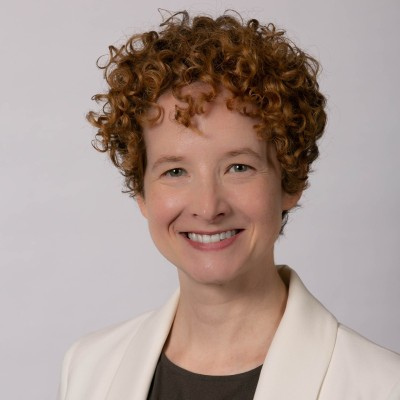
Rebekah Falkner rejoined National Academy for State Health Policy (NASHP) in 2022. Most recently, Rebekah has focused on the behavioral health workforce shortage, rural mental health care delivery, and the expansion of peer services in Texas. Rebekah has also worked on the Texas 1115 Delivery System Reform Incentive Payment Program and Money Follows the Person. Prior to working in Texas, Rebekah was a part of NASHP’s work in Arkansas centering on supported employment. Rebekah grew up in Mississippi, earning a Bachelor of Social Work from the University of Mississippi and a Master of Social Work from the University of Arkansas at Little Rock.

HUMS, BHP
Josie Poiyuna Garnie is Iñupiaq, the daughter of Joe Garnie and Helen Okbaok, born and raised in Teller. She is also the mother of Lauryn and Aubrina and grandmother of Adelyn. Josie has been a Village Based Counselor (VBC) for Norton Sound Health Corporation since 1997 and supervises other VBCs in the Bering Strait region. She received her Rural Human Services Certificate and AAS degree in Human Services from the University of Alaska Fairbanks. Josie is a certified Behavioral Health Aide Practitioner.
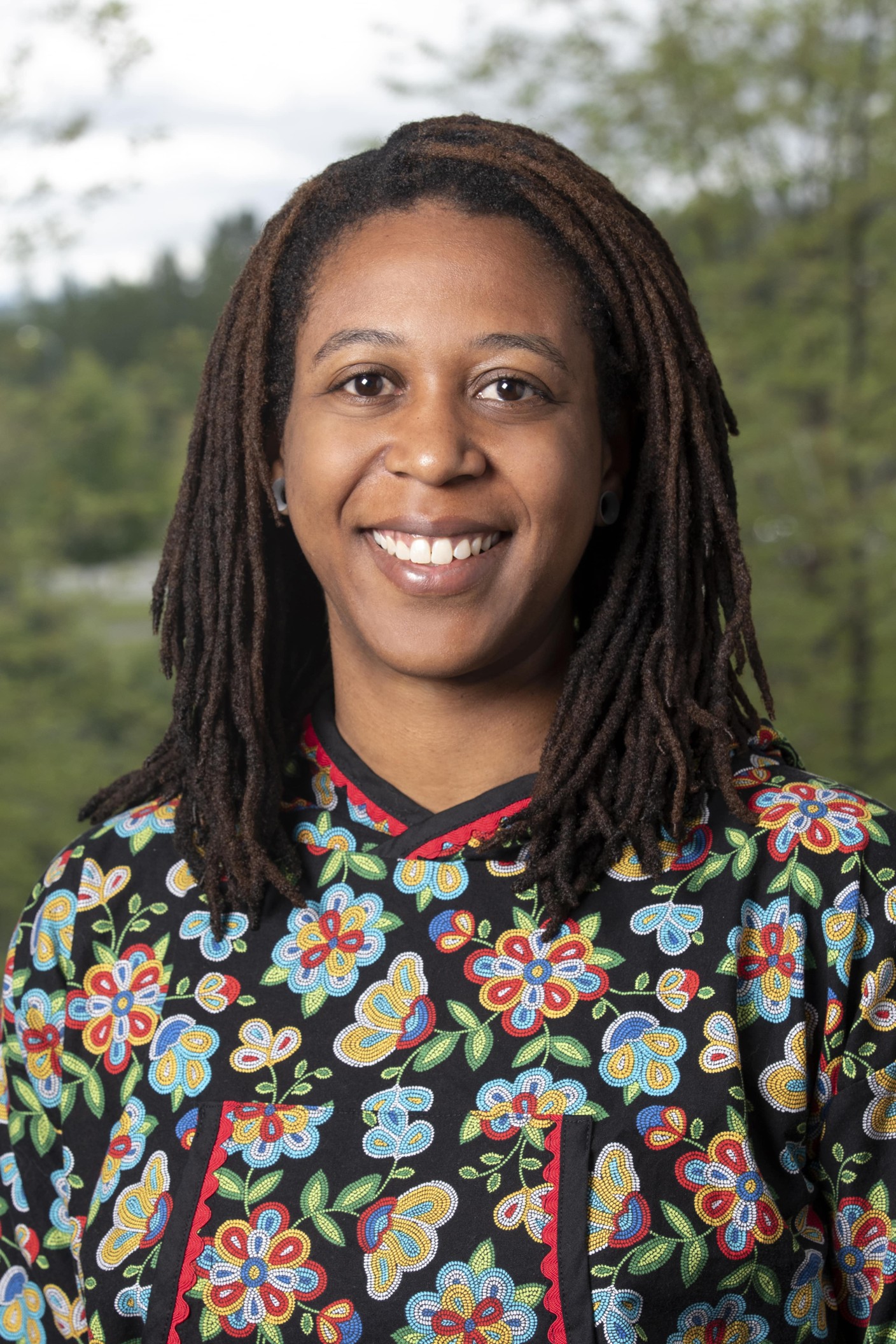
Dr. Xiomara “Xio” Owens grew up in Wasilla, Alaska and currently lives in Anchorage with her wife and their five children. Xio obtained her PhD in Clinical-Community Psychology from the University of Alaska Anchorage. Since 2009, Xio has worked in the Behavioral Health Aide (BHA) Program at the Alaska Native Tribal Health Consortium; her work with the BHA program began as a practicum student and she now serves tribes and tribal health organizations across the state in her role as the Director of Behavioral Health Aide Training. Xio is passionate about workforce development, holistic healthcare, and serving populations that have historically be underserved. In her off time, Xio enjoys being with her family, biking, cooking, doing puzzles, and playing games.
Background
The Workforce Solutions Jam is a monthly webinar to build national momentum and encourage collaboration through the Workforce Solutions Partnership. The partnership is leveraging Collective Impact to address the workforce crisis, and using a cross-sector approach to address the long-standing challenges for expanding and solidifying the behavioral health workforce.
The Workforce Solutions Partnership is the partnership between the National Council for Mental Wellbeing, Health Management Associates and the College for Behavioral Health Leadership. The Center for Workforce Solutions continues to operate as an initiative of the National Council.